
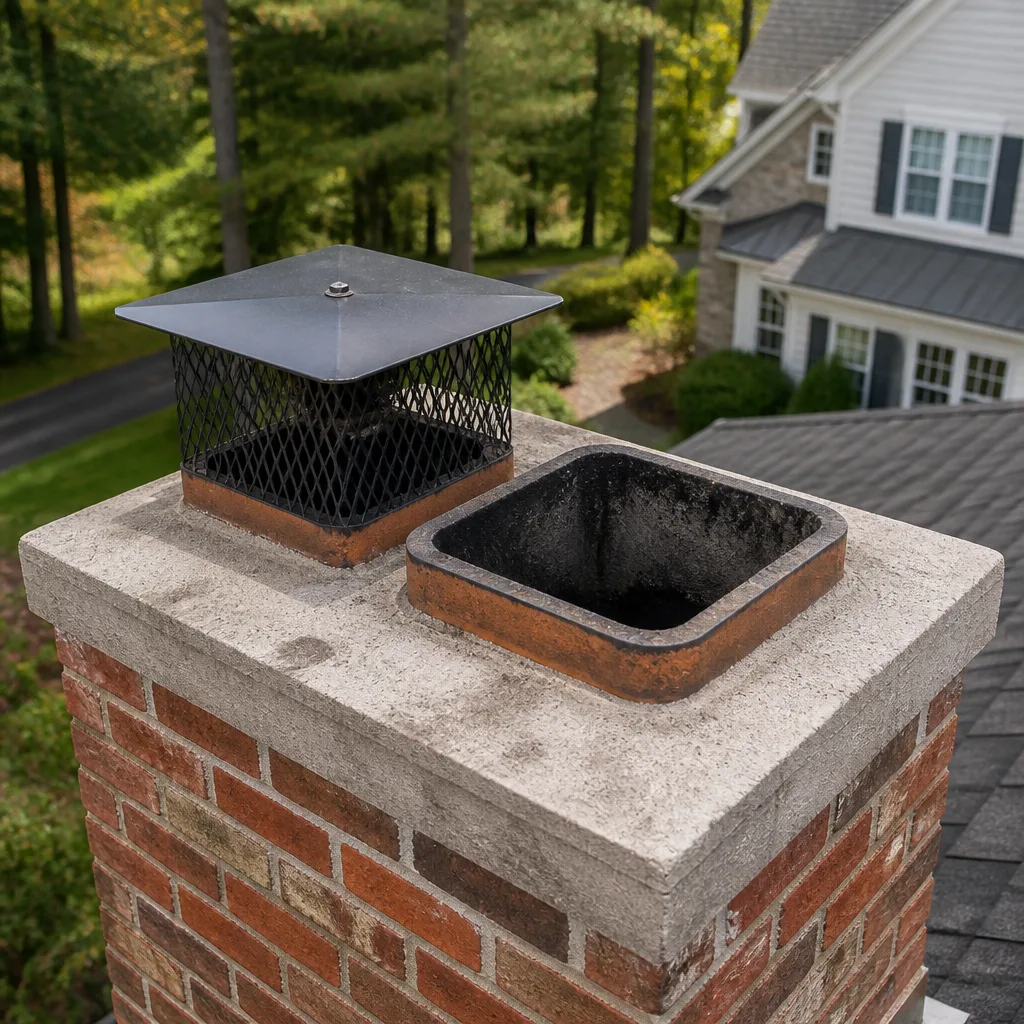
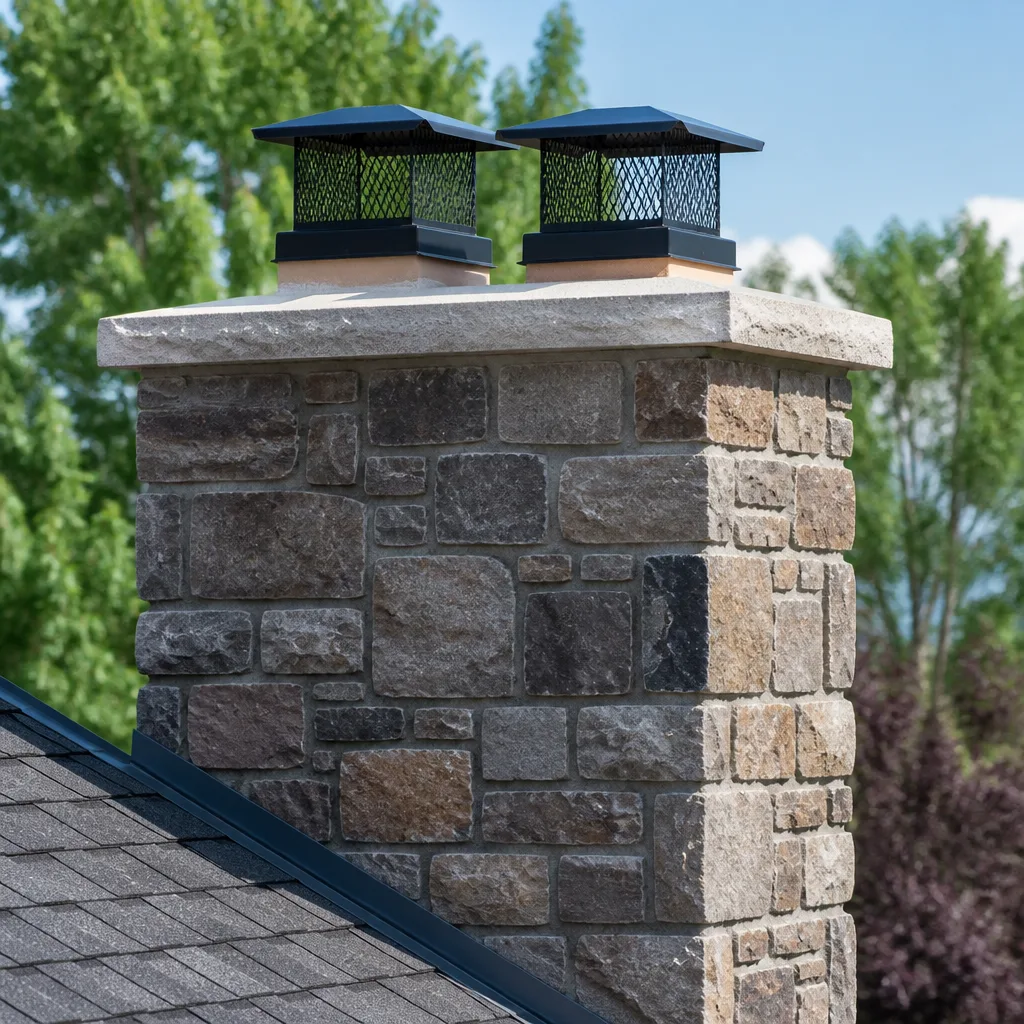
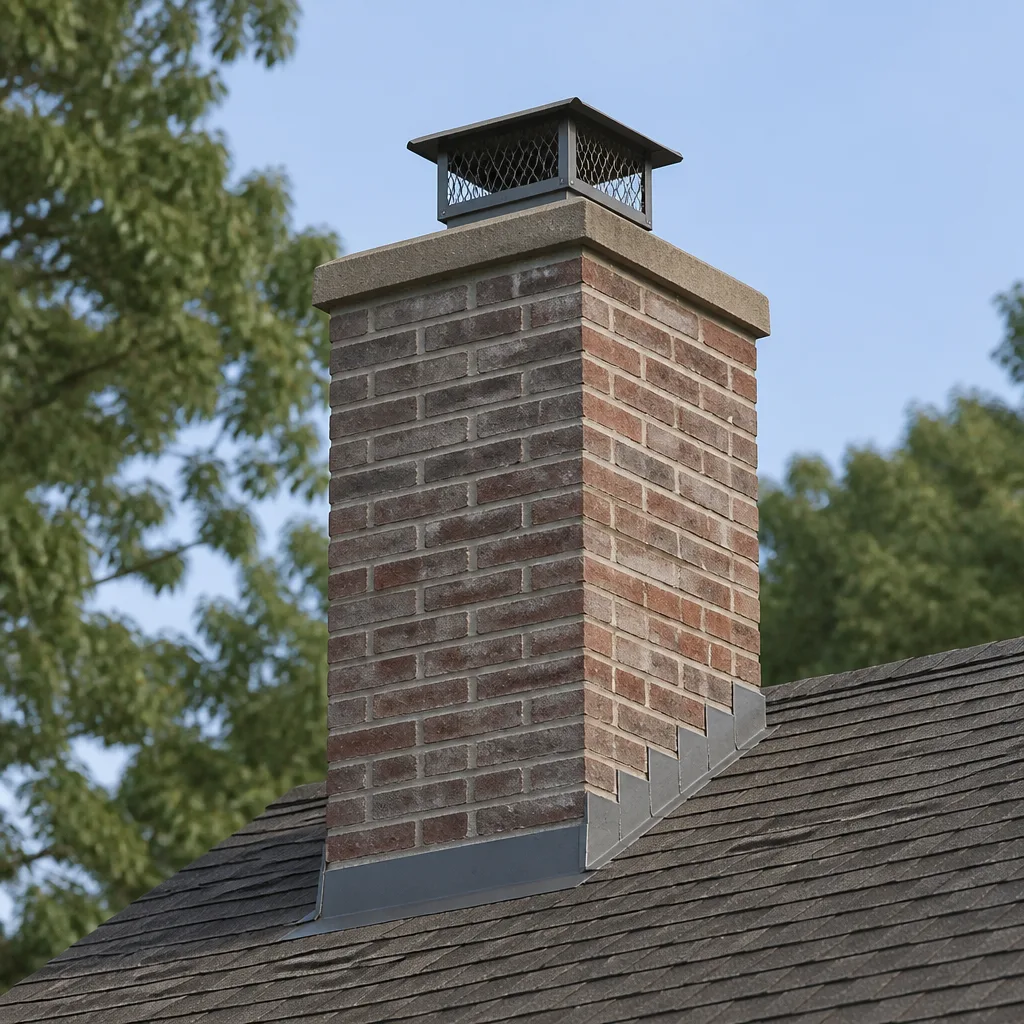
Level 1 sweep and inspection to the NFPA 211 annual standard - flue, crown, cap, and flashing checked and photographed
Chimney sweep logs do not sweep chimneys. They loosen some creosote - which then falls where a brush and vacuum still have to collect it.
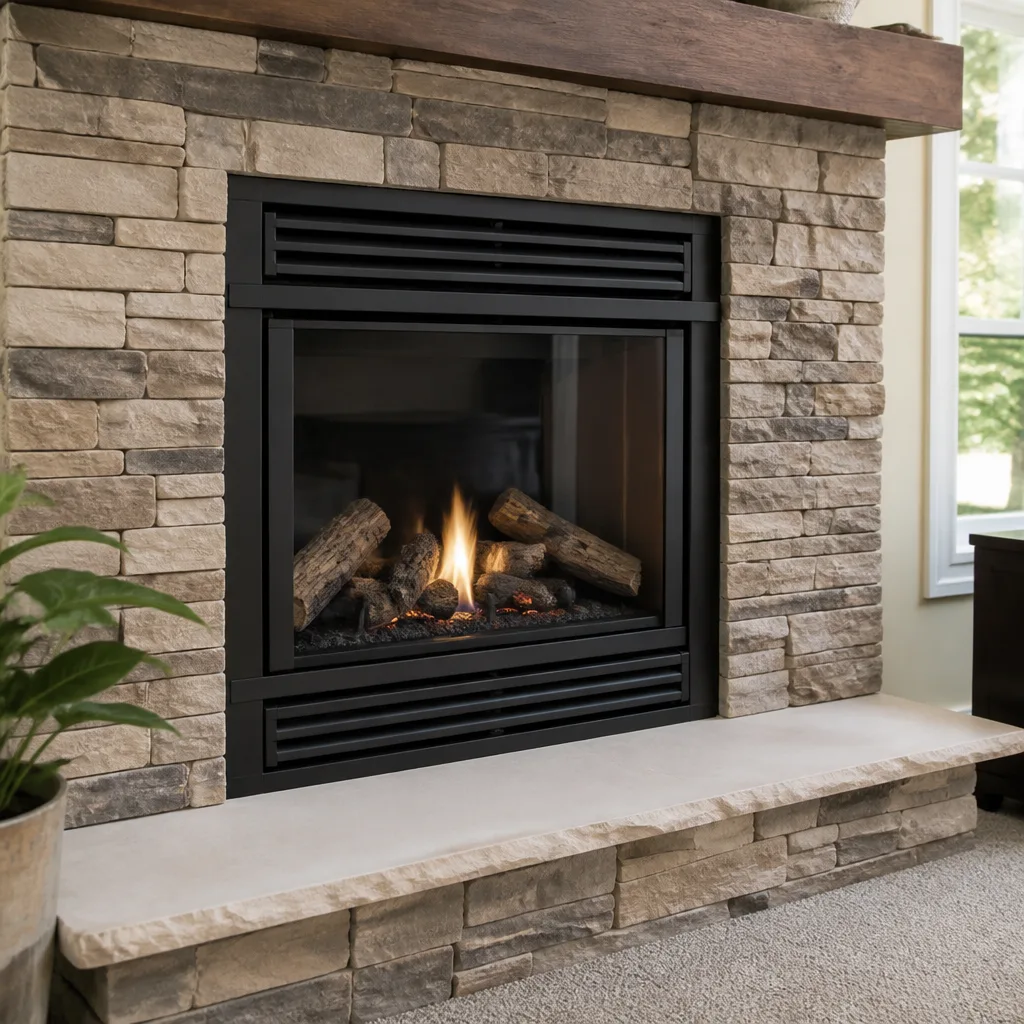
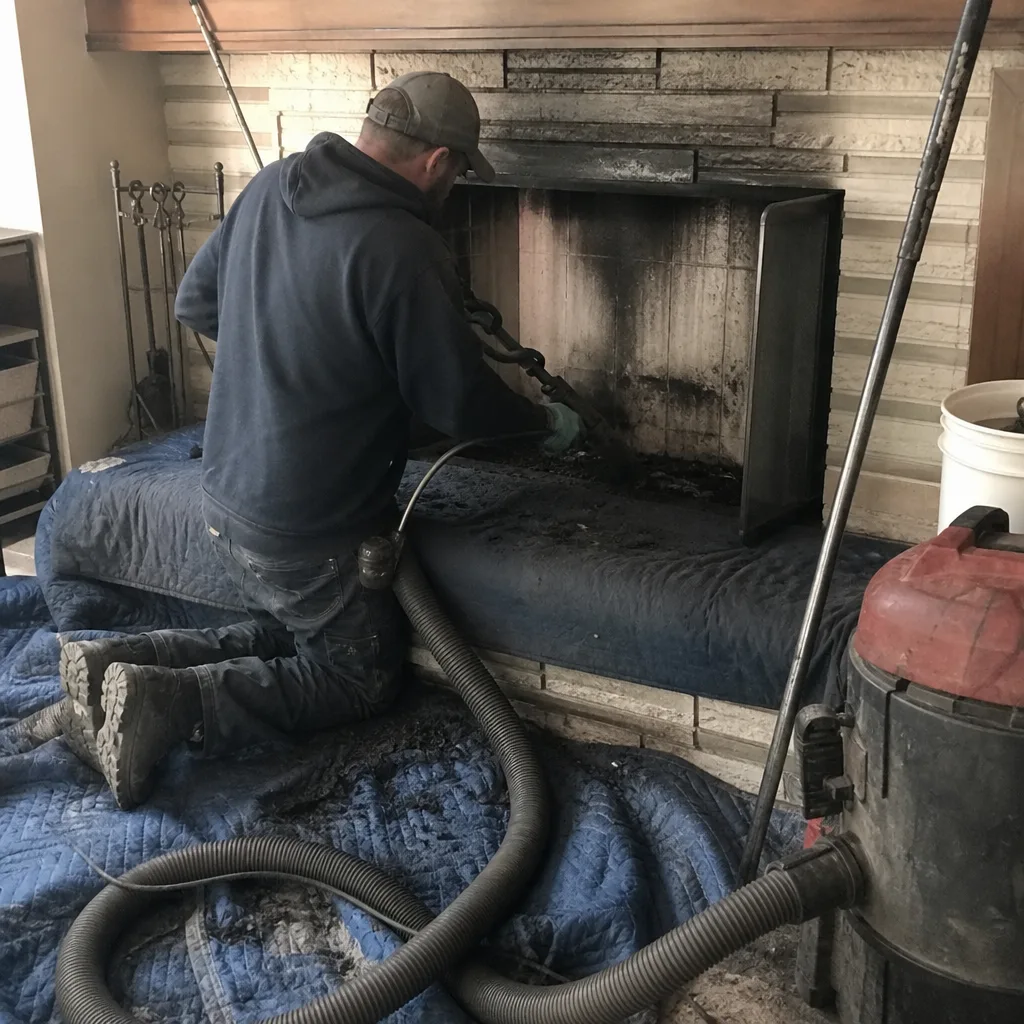 Before
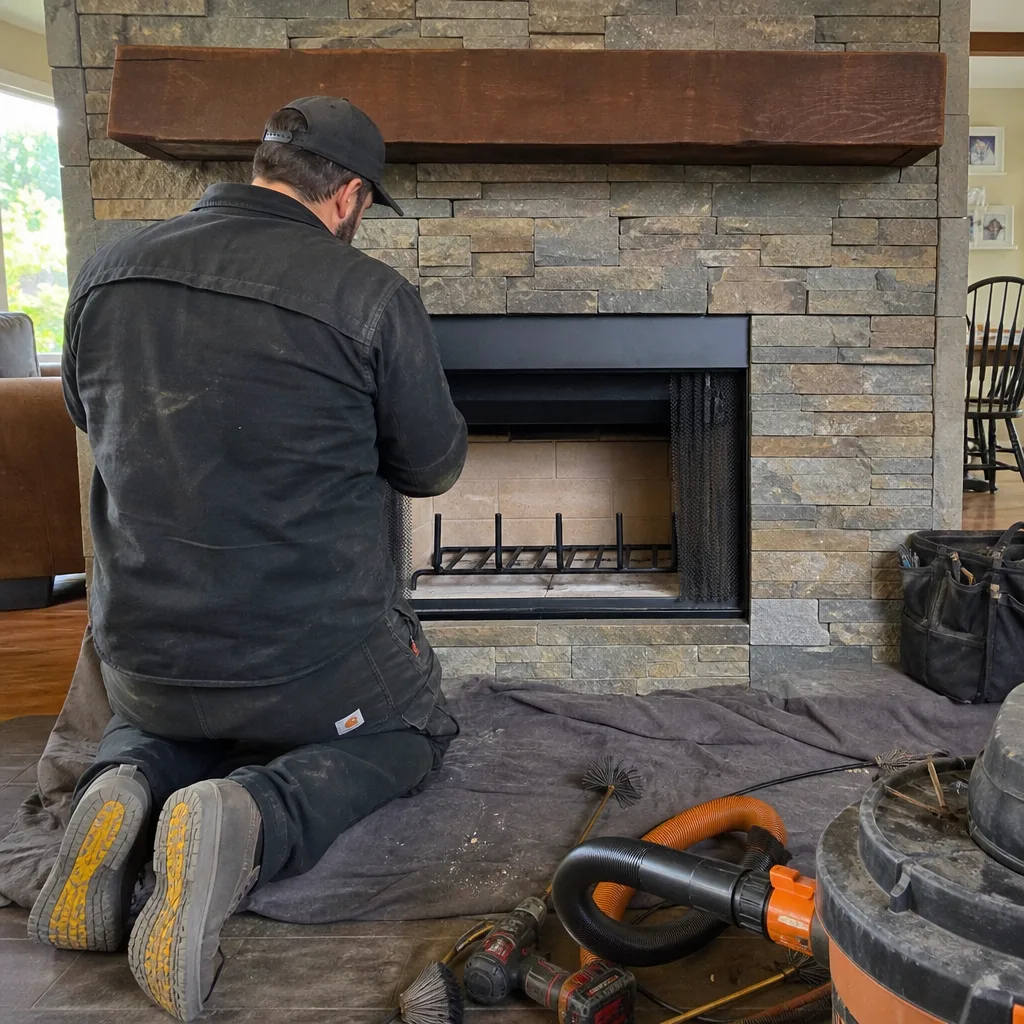 After
After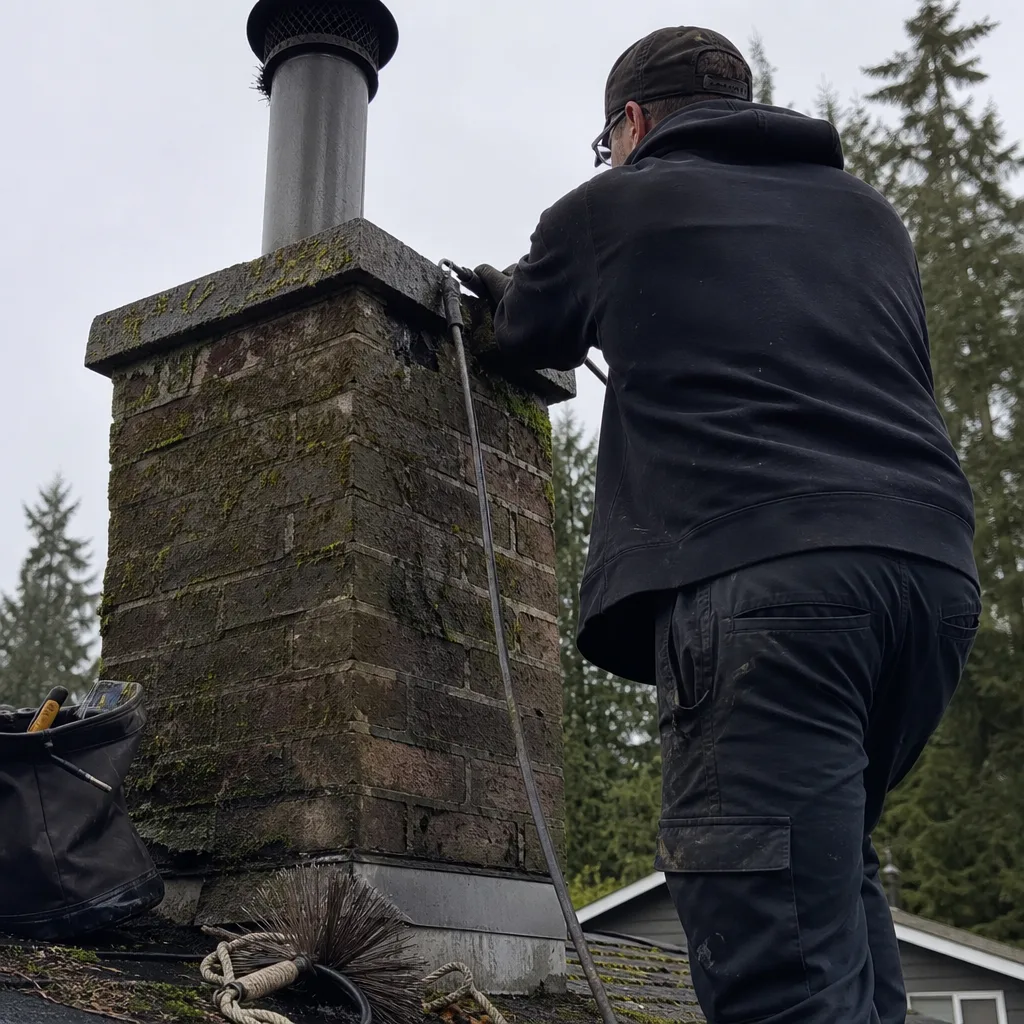 Before
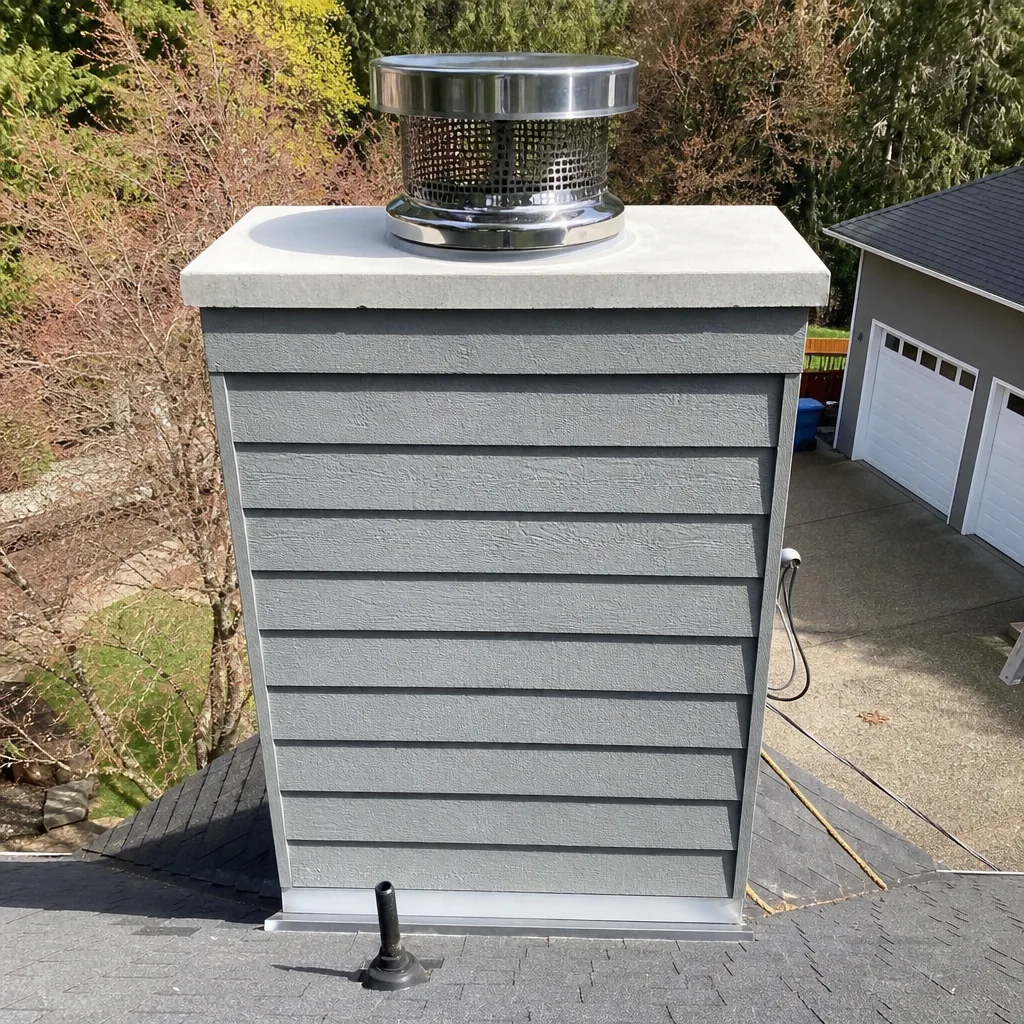 After
After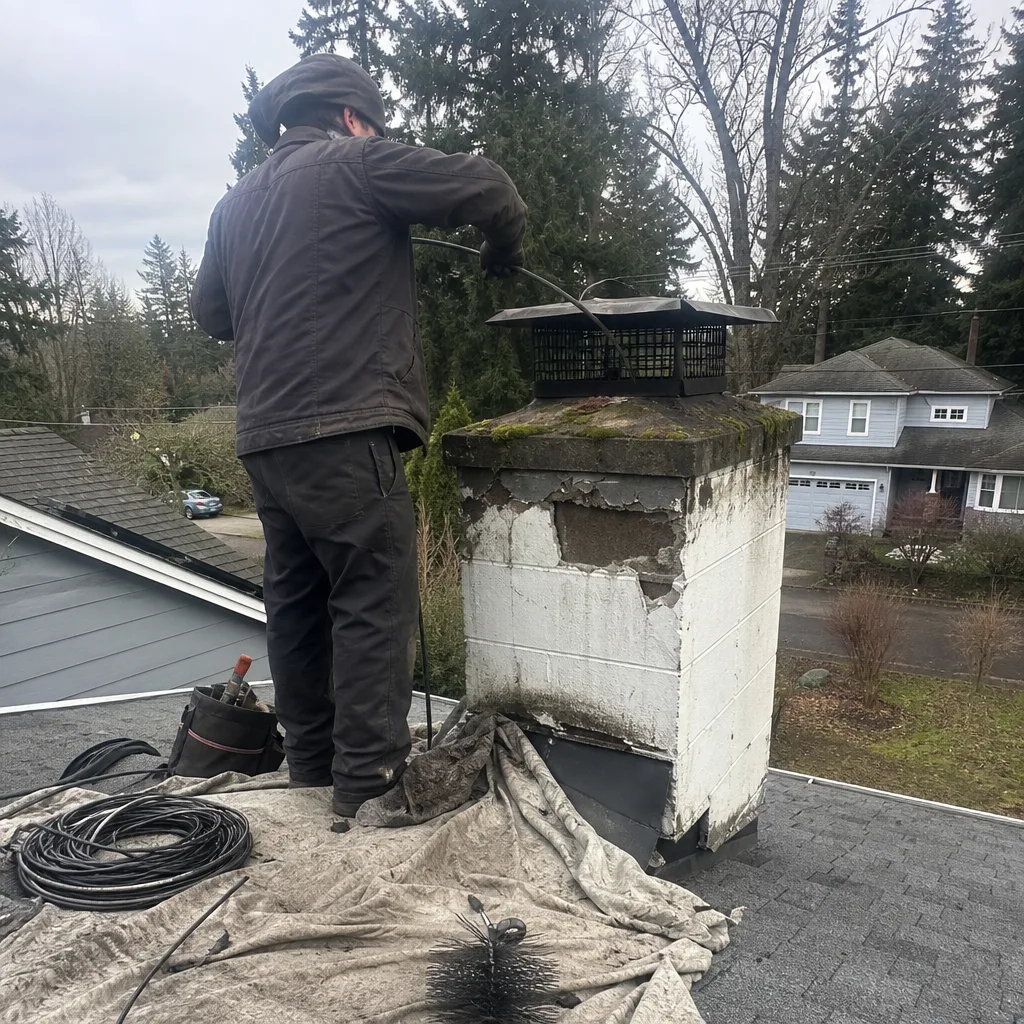 Before
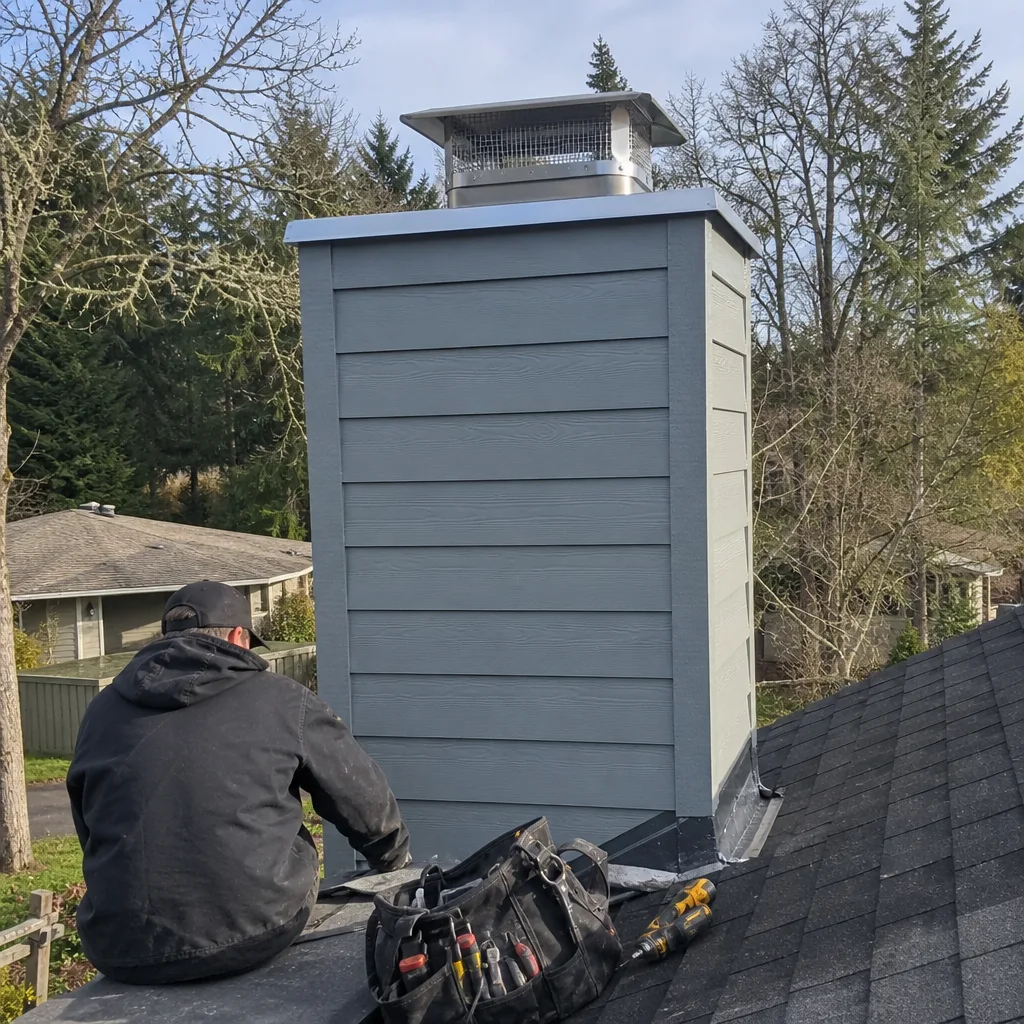 After
AfterSoot Removal in Olympia, WA
How Much Does Chimney Cleaning & Sweep Cost? (2026 Price Guide) - Olympia, WA: typically $180 to $380, depending on flue size, soot accumulation, and whether a full Level 2 camera inspection is included. Most jobs are completed in a single visit, and you’ll have a written price in hand before any work begins. If you’d rather talk it through first, call us at (360) 464-2015 – a live person answers every time, around the clock.
Soot is the powdery, black byproduct of incomplete combustion. It packs into your flue liner, smoke chamber, and firebox faster than most homeowners expect, particularly in Olympia’s damp climate where low-temperature fires are common. A wood fire that burns cool – which happens often when you’re fighting off the chill of a rainy November evening with a modest fire – produces more soot per cord than a hot, well-fed fire. Over time, that soot layer does two things: it restricts airflow enough to make your fireplace smoke into the room, and it creates a surface that holds moisture against the masonry, accelerating spalling and liner degradation.
Level Two Chimney Olympia has been removing soot from Olympia fireplaces and woodstoves since 2009. Every visit is part of our full Chimney Cleaning & Sweep in Olympia service – meaning soot removal doesn’t happen in isolation. We run a camera down the flue, document the condition with photos, and give you a written scope before the brushes go in. That practice has been standard on every job since the day we opened, and it’s now codified as Clause 4 of the Haven Standard.
When You Need Soot Removal
Soot builds up gradually, which means most homeowners don’t notice it until it’s already causing a problem. Here are the signs we see most often on Olympia homes:
- Black staining around the firebox opening or on the hearth face. When soot migrates out of the firebox and onto the surrounding masonry, the flue draft is almost certainly restricted. In older Capitol Hill bungalows and the craftsman homes along East Bay Drive, we regularly find this paired with a partially blocked smoke shelf.
- Smoke rolling into the room when you light a fire. This is the most common complaint we get from Olympia customers in October and March, the shoulder seasons when evening temperatures drop but nobody has lit a fire in months. A soot-narrowed flue can’t pull air efficiently, so the smoke takes the path of least resistance – into your living room.
- A persistent smoky or ashy odor even when the fireplace isn’t in use. Olympia’s humidity is high enough that soot in the flue absorbs moisture and releases a stale, acrid smell, especially during rainy stretches in November through February. If your house smells like a campfire and nothing has been burning, soot load is usually the culprit.
- It’s been 12 months or more since the last cleaning. NFPA 211 recommends annual inspection and cleaning for any chimney in regular use. In Olympia, where fireplaces and woodstoves often run four to six months a year, a single season of use can deposit enough soot to warrant removal before the next.
- You’ve switched fuel types or recently had your fireplace insert serviced. Pellet inserts, gas-to-wood conversions, and new fireplace inserts can all change the combustion dynamics in ways that alter soot deposition patterns. A camera scan after any change in appliance or fuel is the only way to know what you’re actually looking at inside the flue.
- Your home inspection flagged the chimney or you’re preparing to sell. Buyers’ inspectors in Thurston County increasingly pull chimney reports, and a documented, clean flue is a line item that closes deals faster than a vague verbal assurance.
Our Soot Removal Process
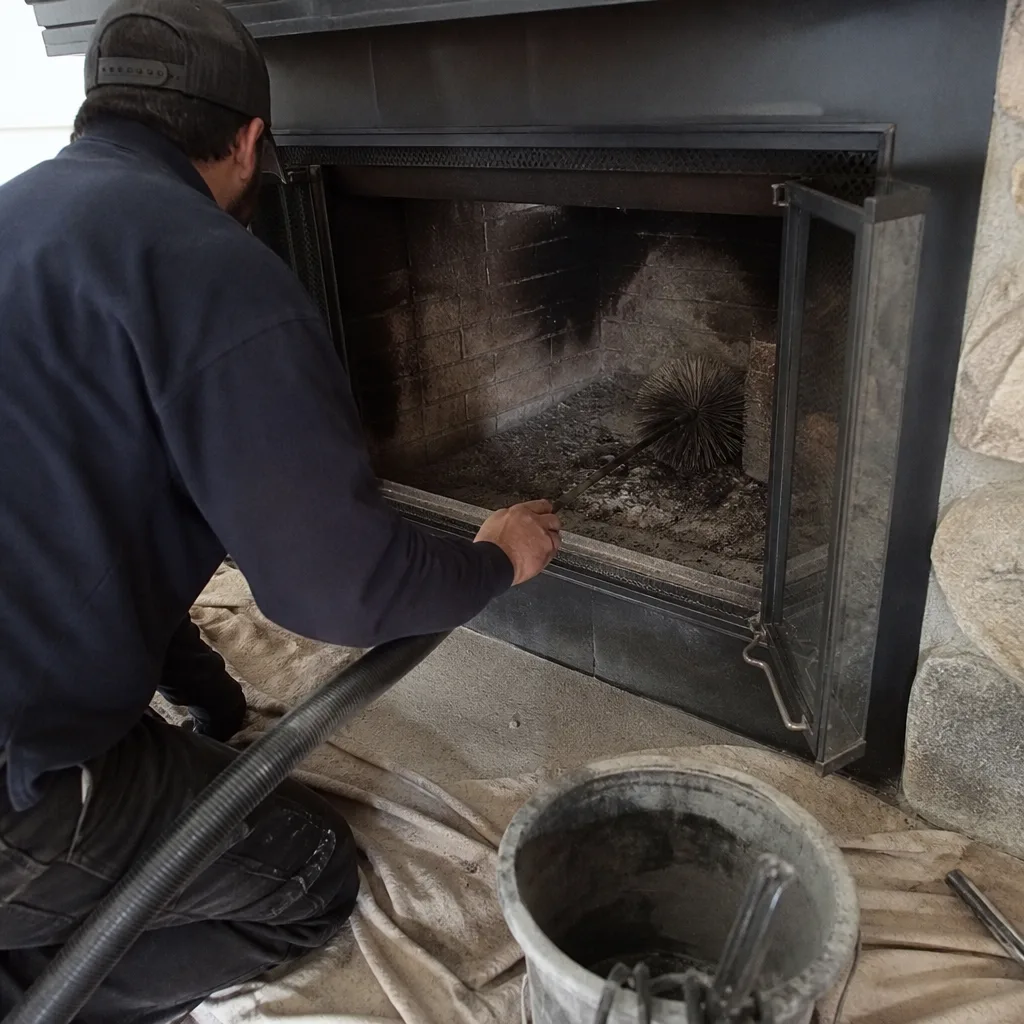
We don’t walk in with a brush and walk out with a check. Chimney Cleaning & Sweep services at Level Two Chimney Olympia follow a documented sequence because each step tells us something the next one depends on.
- Written price before we touch anything. Before we open a tool bag, you receive a written quote with a fixed price, the exact scope of work, and the warranty terms. This is Haven Standard Clause 1 – “Have it in writing” – and it is not optional on any job we do. If something we find during the camera scan changes the scope, we stop, show you the footage, and give you a revised written price before continuing.
- Camera scan of the full flue system. We lower a NFPA 211 Level 2 camera from the crown to the smoke chamber, recording as we go. This tells us the soot class (particulate soot, tar-bonded soot, or the harder glazed layer that becomes Class III creosote), the depth of accumulation at each section, and whether there’s any liner damage underneath. You can’t properly clean what you haven’t properly seen.
- Firebox and smoke chamber preparation. We seal off the firebox opening with a polypropylene drop cloth and a negative-pressure vacuum system. This is the step most Olympia homeowners care about most – soot is extraordinarily fine, and without proper containment it travels through HVAC returns and settles on surfaces 30 feet from the fireplace. Our setup keeps your home clean.
- Rotary brush cleaning from the top down. We work chimney brushes down through the flue liner in overlapping passes, dislodging soot from the liner walls and letting it fall into the contained firebox area below. For heavier accumulations – particularly the tar-bonded soot we see on Olympia homes that burn a lot of green or wet wood – we use Copperfield professional-grade chemical treatments to break down the deposit before brushing.
- Smoke chamber and firebox cleaning. The smoke chamber above the damper collects soot faster than most homeowners realize, because its corbeled masonry (the angled section that transitions from the wide firebox throat to the narrower flue) creates turbulence where particulates drop out. We clean this section by hand with appropriate tools, then vacuum the entire firebox.
- Photo documentation and written record. After cleaning, we run the camera again and photograph the clean flue sections. You receive both the before and after images as part of your job record – this is Clause 4 of the Haven Standard, and it’s included on every visit, not a paid add-on. That record is yours to keep for insurance purposes, future inspections, and resale documentation.
 Before
 After
AfterSoot Removal Pricing in Olympia
Soot removal in Olympia costs between $180 and $380 for most residential jobs. That range exists because a handful of specific factors move the number up or down, and we’d rather name them plainly than give you a vague “starting at” figure that turns into something else when the tech arrives.
| Service Scenario | Typical Price Range |
|---|---|
| Single flue, standard soot (annual maintenance) | $180 – $240 |
| Single flue with heavier soot buildup (2+ seasons) | $240 – $310 |
| Soot removal with full Level 2 camera inspection included | $280 – $380 |
| Second flue (same visit) | Add $90 – $150 |
| Chemical treatment for tar-bonded or resistant soot | Add $60 – $120 |
What moves the price:
- Flue height and configuration. Most Olympia homes in the South Capitol and Eastside neighborhoods have single-story or two-story flues in the 15-to-25-foot range. Taller flues or offset flues with bends require more time and more equipment passes.
- Soot class and depth. Particulate soot brushes out in one pass. Tar-bonded soot – common in Olympia homes that burn unseasoned alder or fir – is denser and stickier, and sometimes needs a chemical application to release it before brushing is effective. We identify the soot class during the camera scan and adjust the scope and price accordingly, in writing, before we proceed.
- Firebox size and smoke chamber condition. Large masonry fireplaces, particularly the older ones in the Governor’s area or in Tumwater homes built before 1980, often have wide smoke chambers with more surface area to clean.
- Access and scheduling. Standard business-hour visits fall within the ranges above. We answer calls 24 hours a day, 7 days a week, and can schedule outside standard hours for homes with specific access needs.
Every estimate at Level Two Chimney Olympia is free and given in writing before work begins. If you’ve already received a written estimate from another company, bring it to us – we offer a free second opinion on any written quote, and we’ll tell you plainly whether it’s fair, high, or missing something.
Why Soot Removal Matters More in Olympia Than in Drier Climates
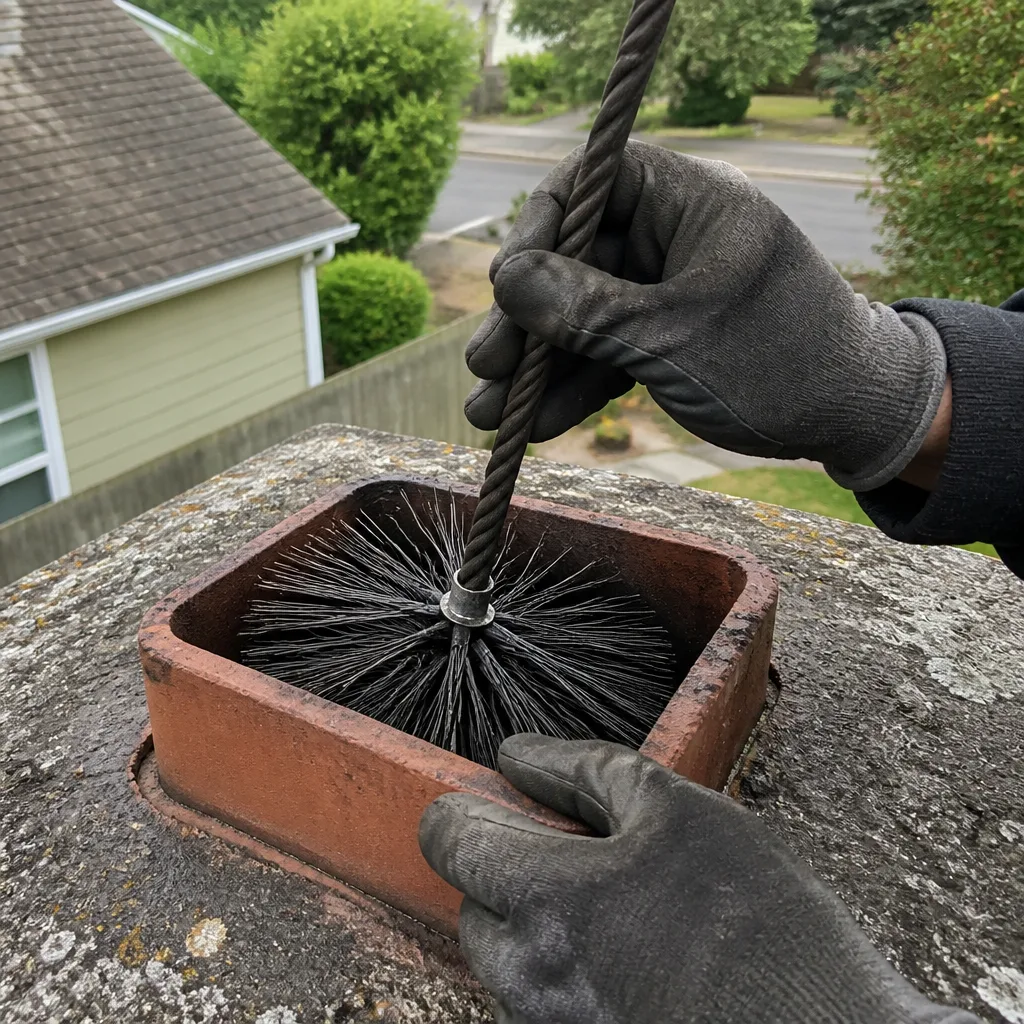
Olympia averages roughly 50 inches of rainfall a year. That moisture level matters for chimneys in ways that most national guides skip over, because they’re written for drier markets. Here’s what we see specifically in Thurston County:
Damp air inside the flue lowers the flue gas temperature, which means combustion byproducts condense higher up in the system and stick to the liner walls rather than exiting at the crown. This is why Olympia homeowners who burn the same volume of wood as a family in eastern Washington or Oregon’s high desert end up with noticeably heavier soot loads per cord. It’s also why we see more tar-bonded soot here than in climates where the flue stays warm through the full chimney height.
In the Lacey and Tumwater areas south of Olympia, homes with exterior chimneys – chimneys built on the outside of the home’s thermal envelope rather than in the interior – are especially prone to this problem. An exterior flue loses heat faster in cold weather, which drops flue gas temperatures further. If your home has an exterior chimney and you’re burning wood between October and March, Annual Sweep soot removal isn’t optional maintenance, it’s the minimum.
Beyond combustion efficiency, soot is slightly acidic. In a wet climate, that acidity stays activated longer because the soot remains damp. Over years, this accelerates deterioration of both clay tile liners and mortar joints. Homes in Olympia’s older neighborhoods – South Capitol, Bigelow, Priest Point – that haven’t had regular cleaning are more likely to show liner degradation than comparable homes in drier regions. A camera scan is the only way to know what the soot has been doing to your liner between visits.
All of this is part of why Level Two Chimney Olympia made camera documentation standard from the start. A visual record of your liner condition taken at each annual cleaning creates a baseline that makes change visible over time. If something is getting worse, you’ll see it in the photos year over year – not as a surprise when the liner fails.
Our work falls under the broader scope of home maintenance that protects the structure and safety of the building, and we treat it accordingly.
FAQs – Soot Removal
How often should I have soot removed from my Olympia chimney?
Chimney Cleaning & Sweep Near Me in Olympia, WA - once a year is the right baseline for a chimney in regular use, and in Olympia’s wet climate that schedule matters more than in drier markets. NFPA 211 calls for annual inspection and cleaning of any wood-burning system, and Olympia’s high rainfall creates the low-flue-temperature conditions that produce heavy soot deposits faster than most homeowners expect. If you’re burning four or more cords a season, or if you’ve been burning green wood, every 12 months is a floor rather than a suggestion. Call (360) 464-2015 and we’ll give you a written price before anything is scheduled.
Is soot dangerous, and do I need to stop using my fireplace right away?
Soot itself is not an immediate fire hazard the way Class III creosote is, but it is a precursor. Soot that isn’t removed can transition into harder, tar-bonded deposits and eventually into glazed creosote – the dense, flammable layer that chimney fires ignite on. Soot also restricts airflow, which pushes combustion gases including carbon monoxide into your living space. If you’re seeing soot migrating out of the firebox into the room, we’d recommend running the fireplace minimally until the flue is cleaned and inspected. A camera scan will tell you what you’re actually working with. Don’t let the uncertainty run long – call (360) 464-2015 for a free written estimate.
Can I remove soot myself with a chimney brush kit from a hardware store?
You can brush soot from the firebox and the lowest section of the flue yourself, but there are real limits to what that accomplishes and real risks in how you do it. Consumer brush kits don’t include the containment systems that keep soot from dispersing into your home’s air during the cleaning process. More significantly, soot in the smoke chamber and upper flue sections requires camera confirmation before and after to know whether it’s been fully cleared – a visual check from the hearth opening shows you almost nothing above the damper. For the firebox walls themselves, brushing is reasonable. For the full flue system, a trained technician with a camera and proper containment is the right call. High-tension components like the damper mechanism can also cause injury if handled without familiarity – another reason to have someone experienced do the full scope.
What’s the difference between soot and creosote, and does it change what I pay?
Soot and creosote exist on the same spectrum but represent different stages of the same problem. Soot is the dry, powdery first stage – mostly fine carbon particles that brush out easily. Creosote is what soot becomes when it absorbs flue gases and heat cycles, progressing from a tar-like second stage to a hard, glazed third stage. Class III creosote requires chemical treatment and sometimes mechanical grinding to remove, which does affect cost. Our camera scan identifies which you’re dealing with before we quote the job. If the camera shows soot, you pay the soot rate. If it shows tar-bonded second-stage buildup, we revise the price in writing before we continue. You won’t find out the real number after the work is done.
What You Leave With After Every Visit
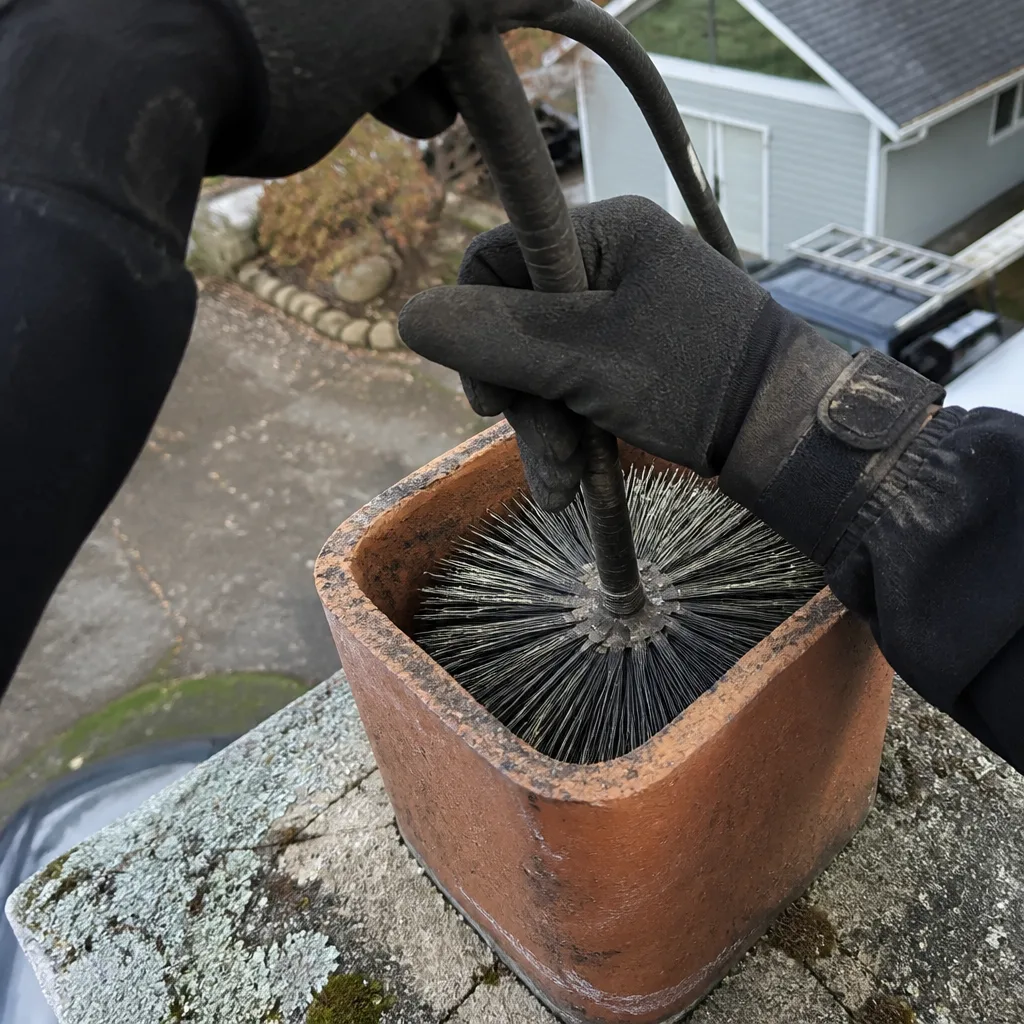
Documentation is the whole point. When a Level Two Chimney Olympia tech finishes your soot removal, you receive:
- Before-and-after camera footage of the full flue system
- Photographs documenting the soot condition found and the clean condition after removal
- The written scope of work, completed and signed
- The written warranty under the 365-Day Done Right Promise
- Notes on any liner, crown, or cap condition the camera flagged that you should monitor or address
That record is yours. Keep it for insurance claims, homeowners association documentation, real estate disclosure, or simply as the baseline for the following year’s inspection. Over 38,000 chimneys inspected and cleaned since 2009, every one with a written price before work started and a documented record when it was done – that’s not a marketing claim, it’s the operating model.
If you have a competitor’s written estimate, bring it. We’ll review it at no charge and tell you whether the scope covers what your flue actually needs. That second opinion is free, and we won’t pressure you in either direction.
Ready to schedule or want a written price before committing to anything? Call (360) 464-2015. A live person answers every call, at any hour. We’ll gather what we need, give you a straight answer on price, and get a tech assigned with a text notification on the way.
Written by Corrine Halstead, Owner at Level Two Chimney Olympia, serving Olympia.