
Level 1 sweep and inspection to the NFPA 211 annual standard - flue, crown, cap, and flashing checked and photographed
Chimney sweep logs do not sweep chimneys. They loosen some creosote - which then falls where a brush and vacuum still have to collect it.
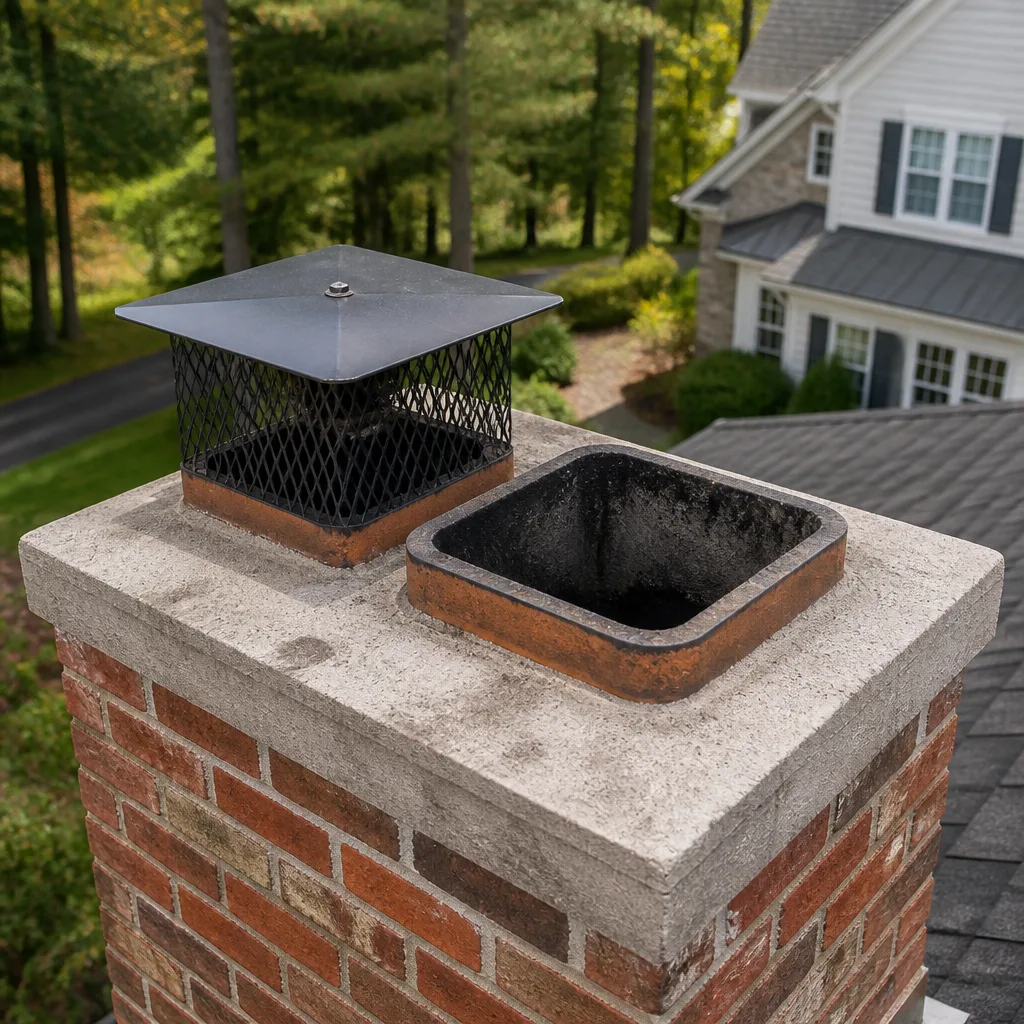
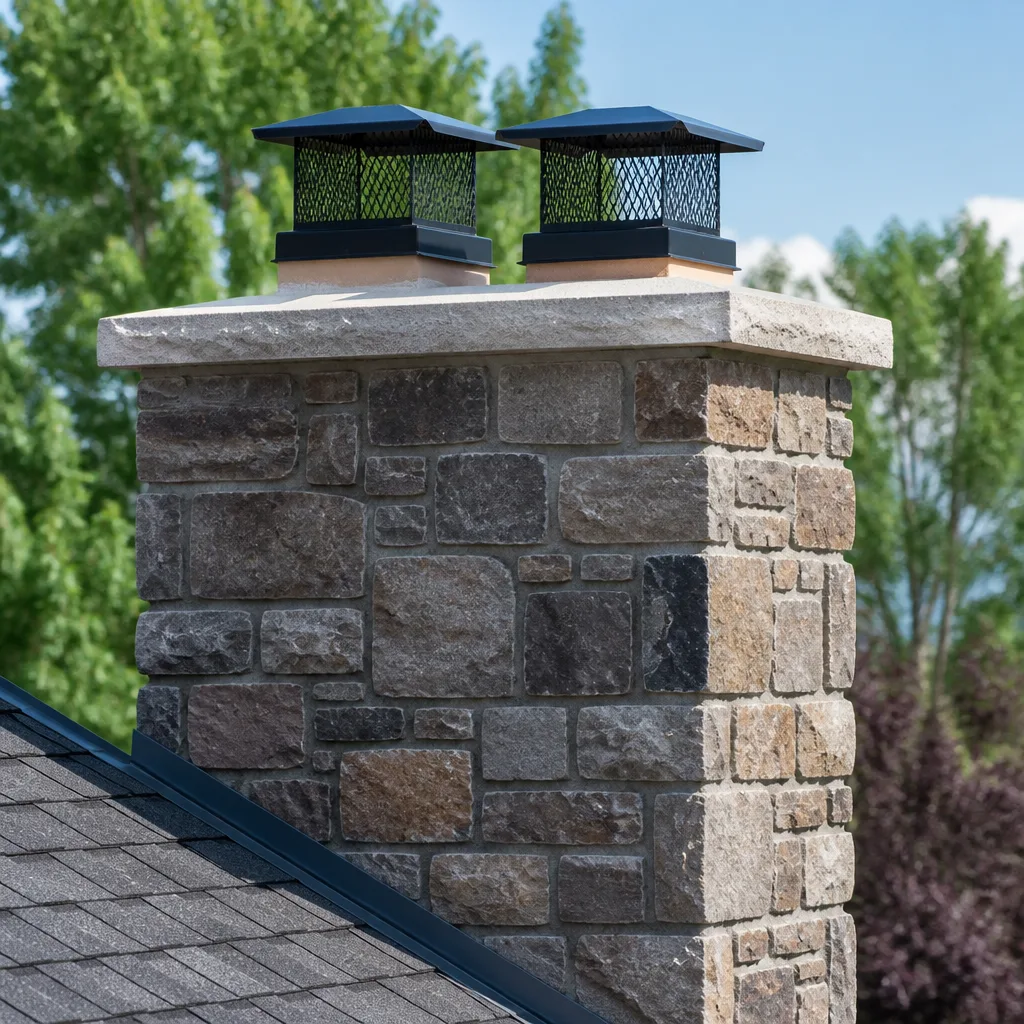
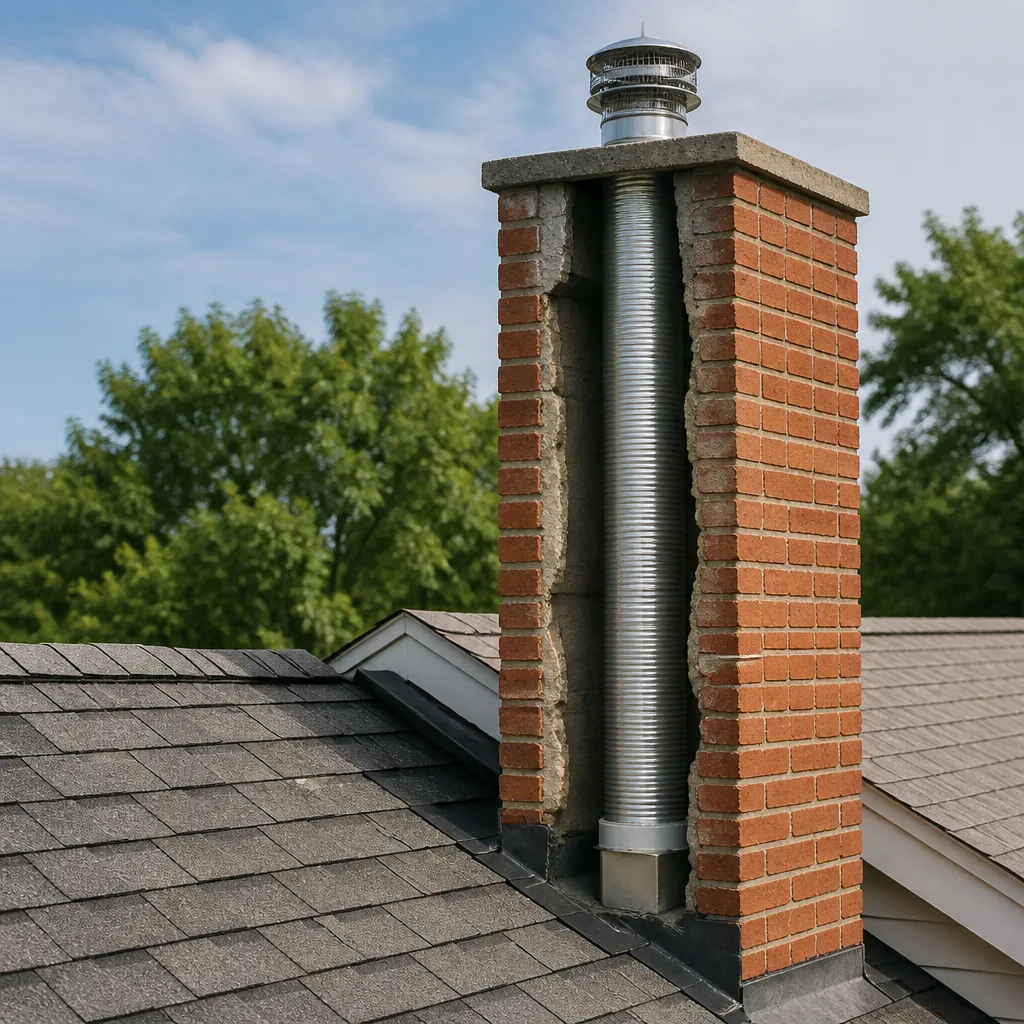
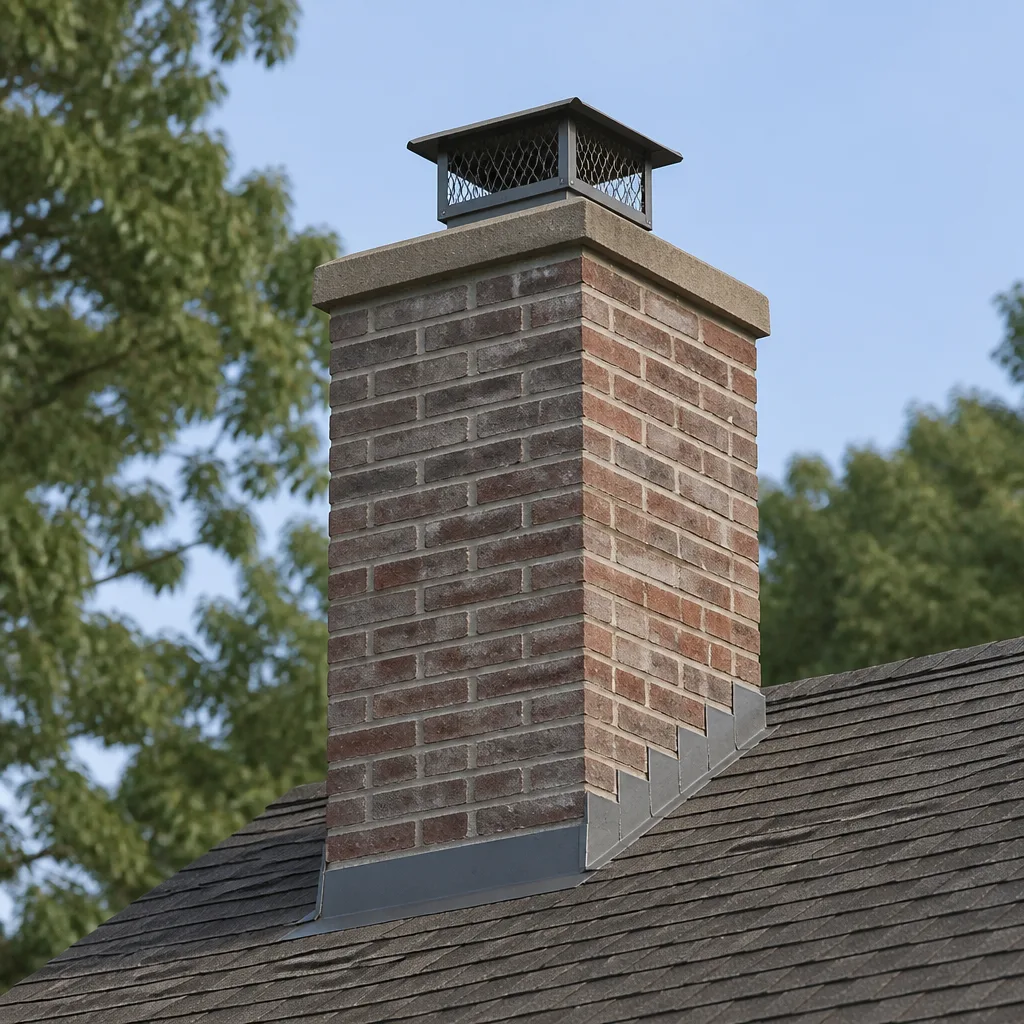
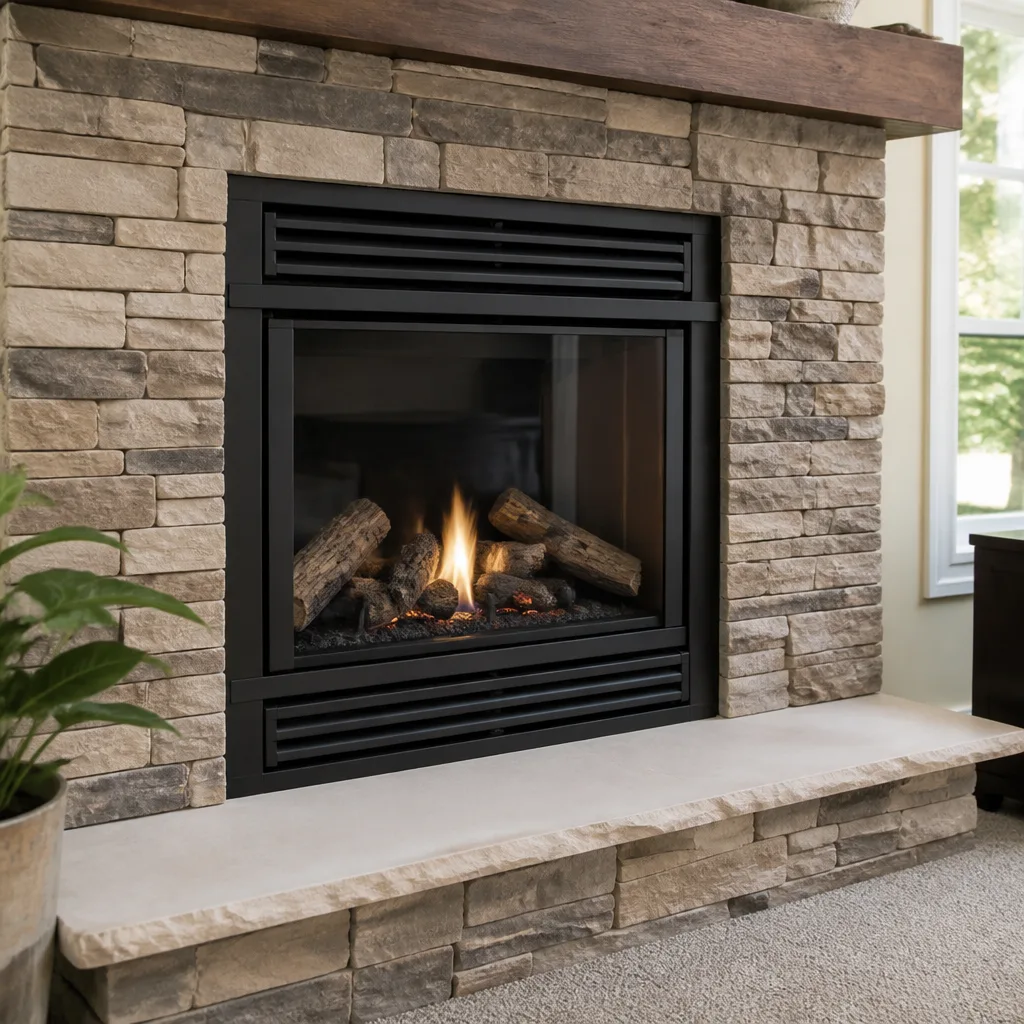
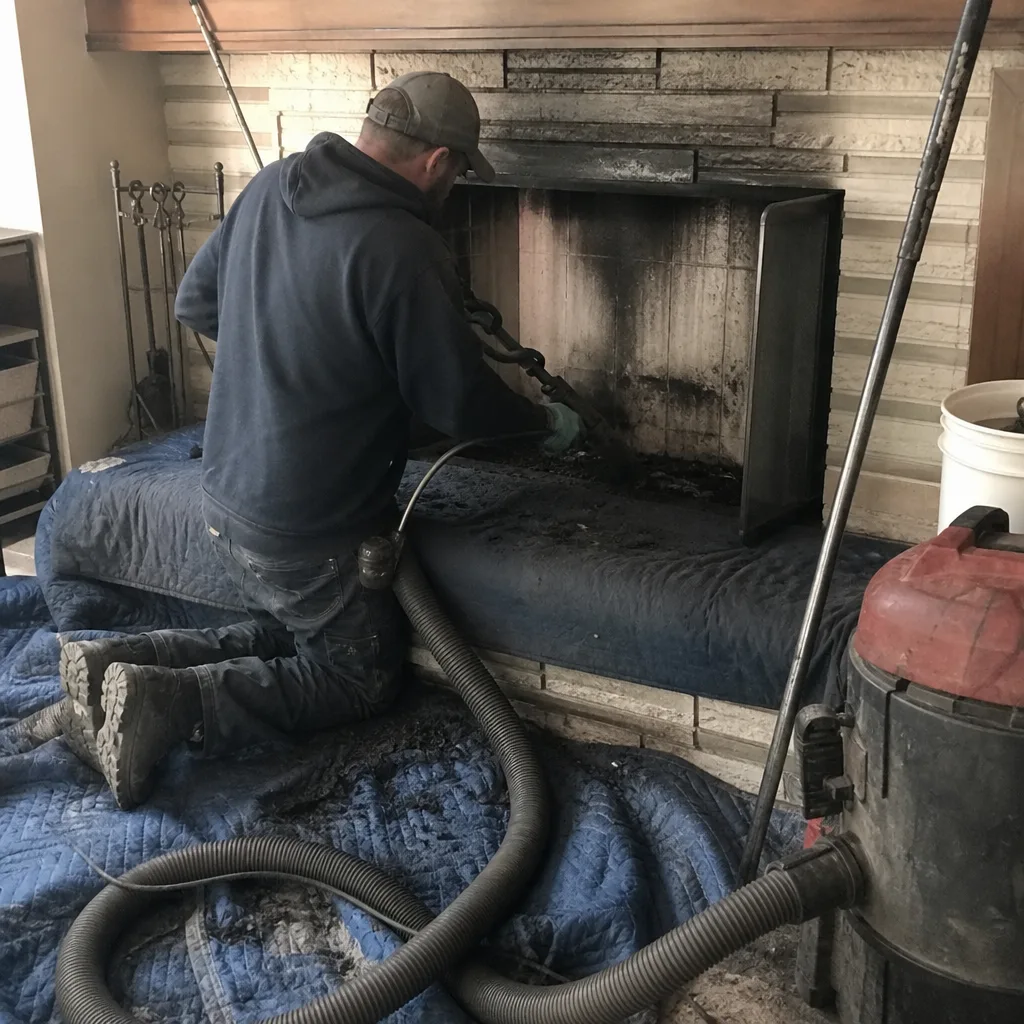 Before
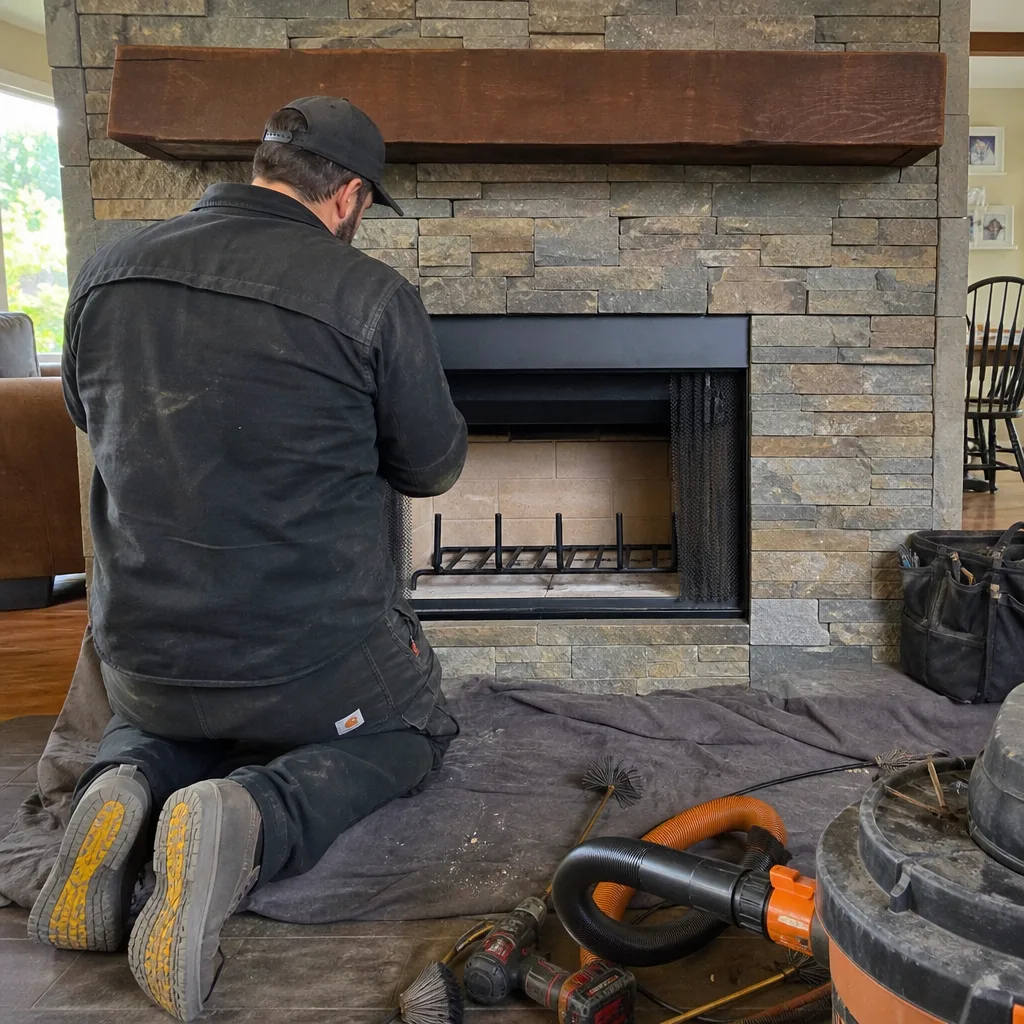 After
After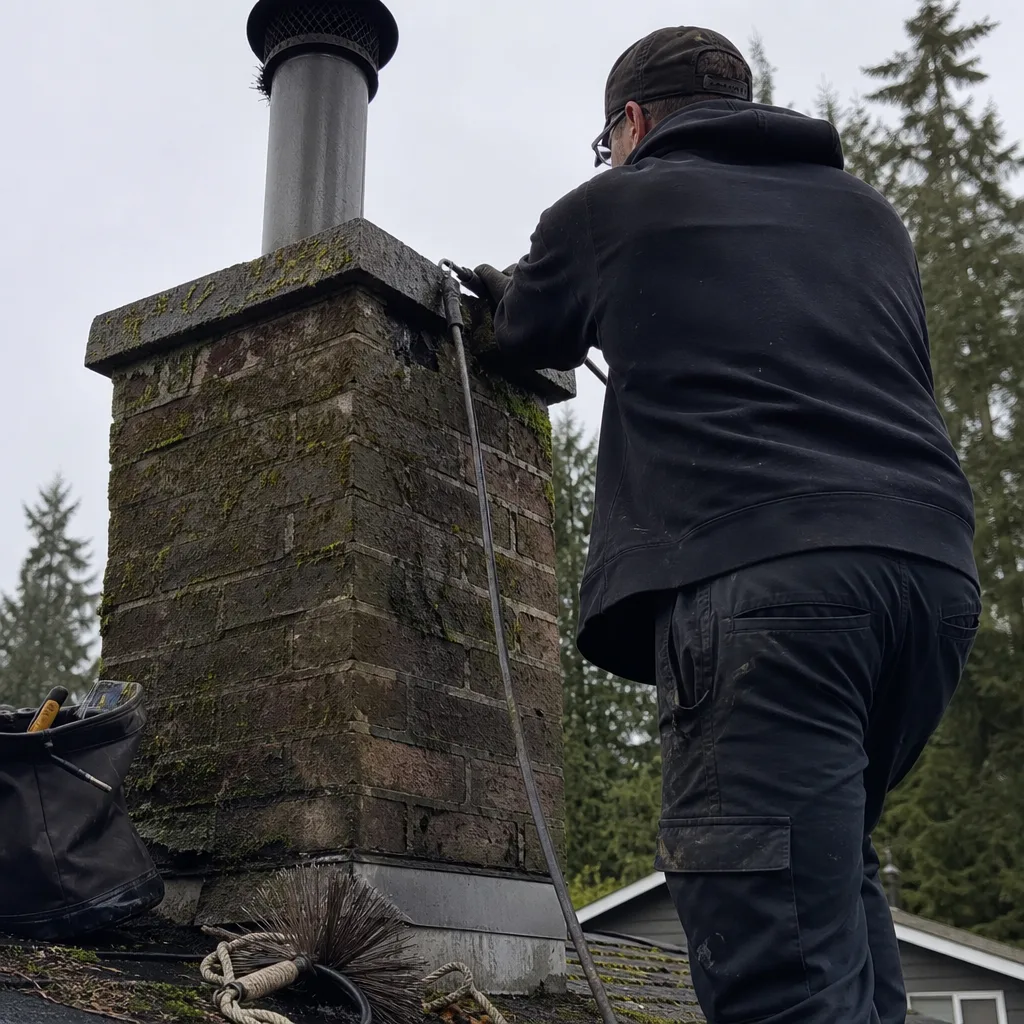 Before
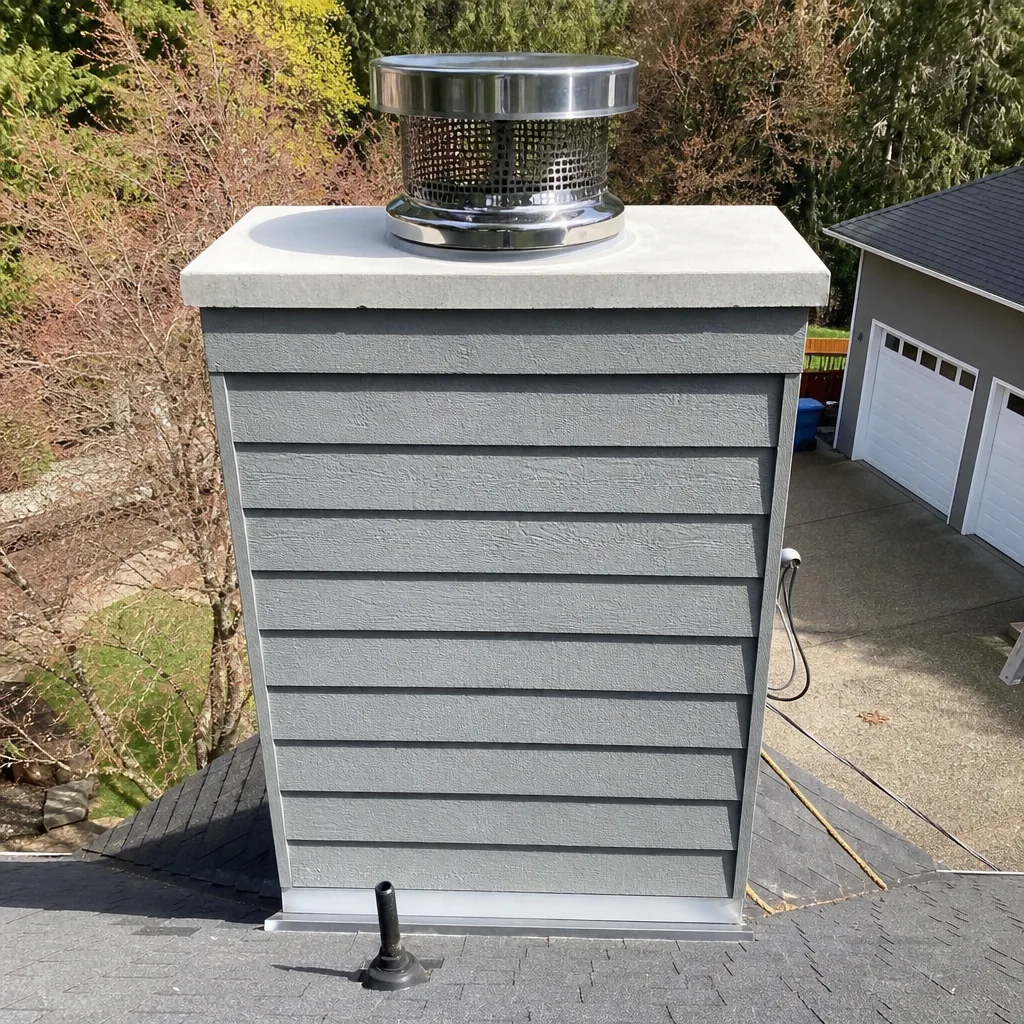 After
After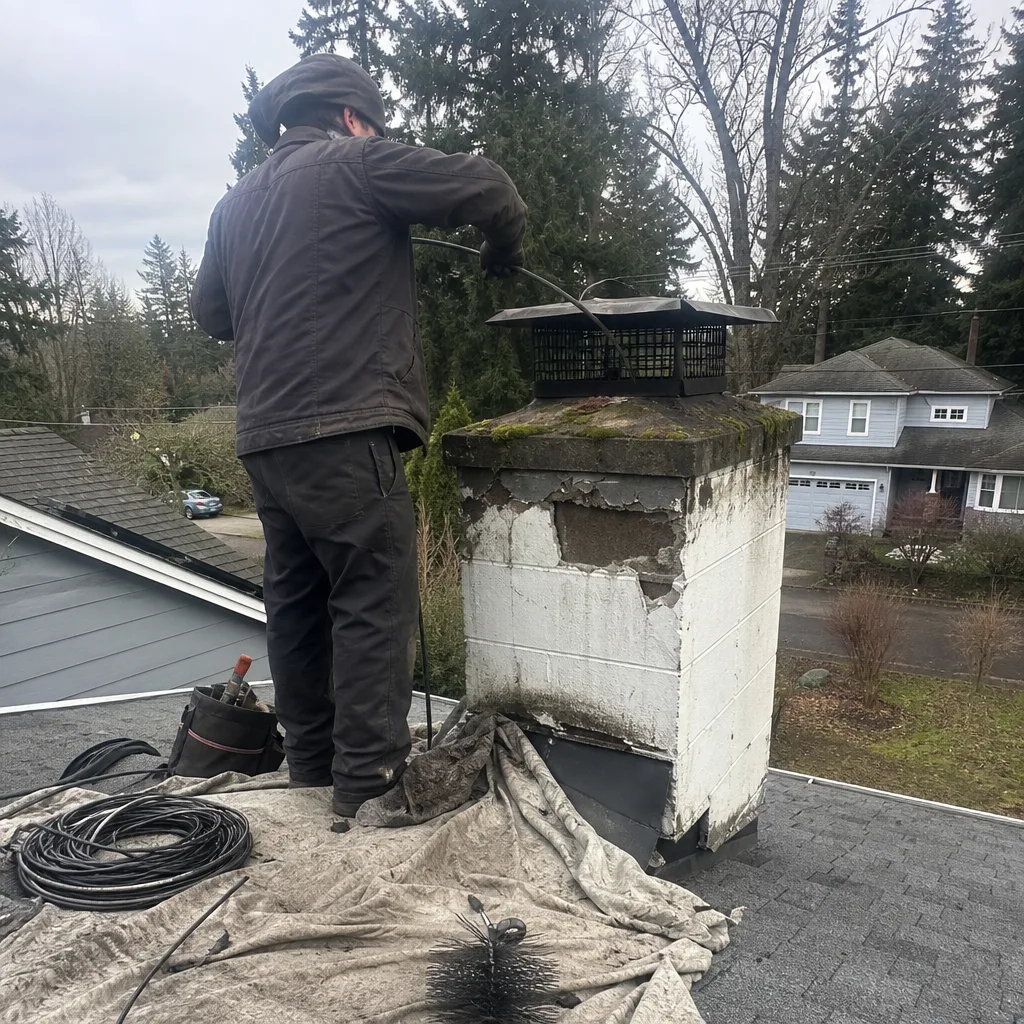 Before
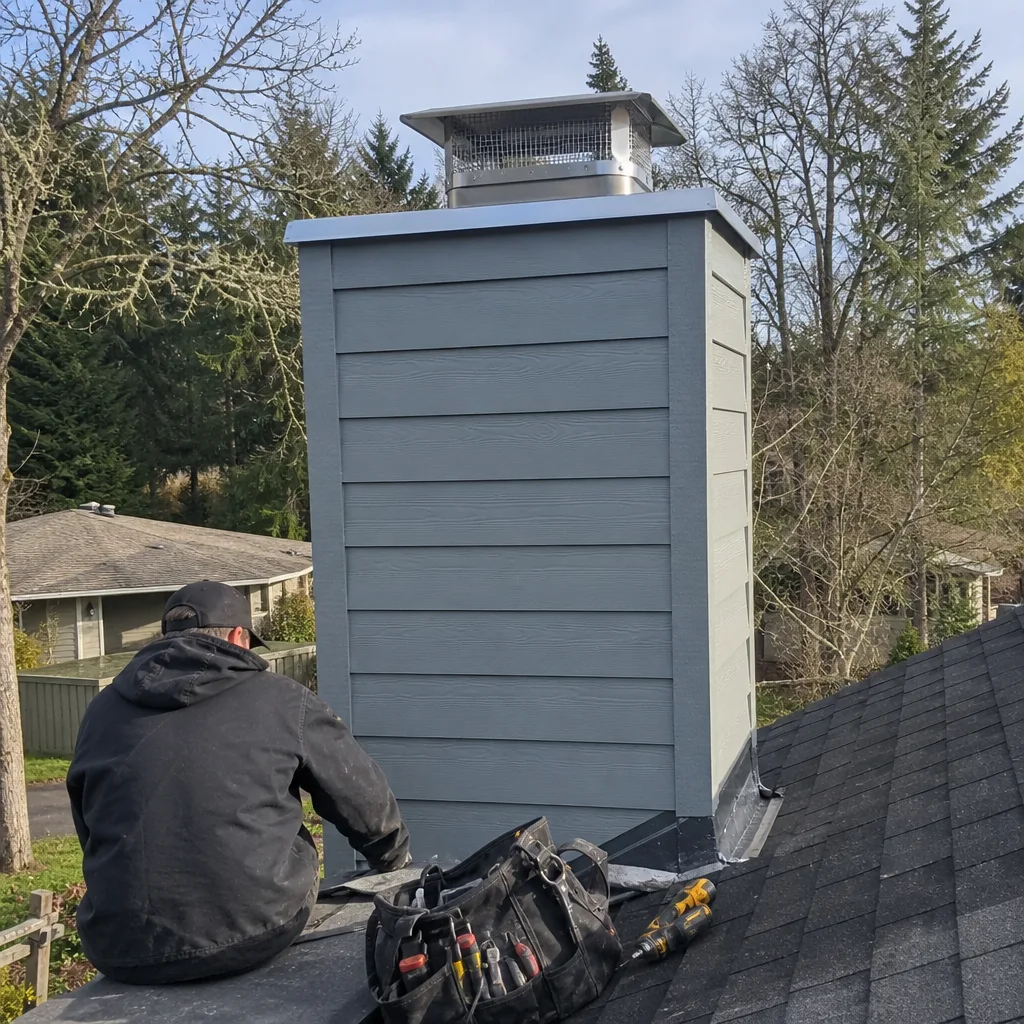 After
AfterCreosote Removal in Olympia, WA
Creosote removal in Olympia typically costs between $180 and $650, depending on the class of buildup and the size of your flue – and most jobs are completed in a single visit. Level Two Chimney Olympia has been documenting and removing creosote from flues across Thurston County since 2009, with a written price delivered before any work starts and a camera-scan record when the Chimney Cleaning & Sweep services are done.
If you burn wood in Olympia, creosote is not a question of if – it’s a question of how much and what class. Our wet winters, the popularity of Douglas fir and alder for firewood, and the start-stop burning patterns common to Western Washington homes all push creosote accumulation faster than national averages suggest. A flue that would be clean after eight cords burned in a dry Rocky Mountain winter can carry significant Class II glazed deposits after four cords burned in an Olympia rainy season.
Our Chimney Cleaning & Sweep in Olympia service covers the full scope – from routine maintenance sweeps to aggressive chemical treatments for late-stage deposits. Creosote removal sits at the center of that work, and it’s where our Level 2 camera inspection makes the biggest difference: we show you what we found, name the class, and hand you a written price before a single brush goes down the flue. Call (360) 464-2015 any time – a live person answers, day or night.
When You Need Creosote Removal
Some signs are obvious. Others require a camera to confirm. Here’s what tells us – and you – that removal is overdue:
- A strong, acrid smell in the house during or after burns. This is almost always volatilized creosote working back through the flue. In Olympia homes with negative air pressure from kitchen exhausts or bathroom fans, the smell can appear even without a fire burning.
- Black, oily residue around the damper or firebox opening. Class II creosote – the glazed, tar-like stage – migrates downward when the flue cools. Finding it on your damper plate or smoke shelf means the deposit layer above it is substantial.
- Visible buildup more than 1/8 inch thick on camera inspection. NFPA 211 calls for cleaning when deposits exceed this threshold. We measure it on-camera, in writing, so you’re not taking our word for it.
- Reduced draft or smoke spilling into the room. Heavy creosote narrows the effective flue diameter. In South Capitol and Eastside neighborhoods, where older homes often have undersized masonry flues to begin with, even moderate buildup causes draft problems.
- You burned unseasoned or wet wood last season. Green alder and freshly cut Douglas fir – both common on Olympia properties with wooded lots – produce far more creosote per cord than properly seasoned hardwood. One wet-wood season can leave behind what three normal seasons would not.
- It’s been more than two years since your last documented cleaning. If there’s no written record with photos, there’s no way to know the current condition. We see this regularly in Lacey and Tumwater homes that changed hands between 2018 and 2022 – the sellers swept it before listing, but no one kept the report.
Our Creosote Removal Process
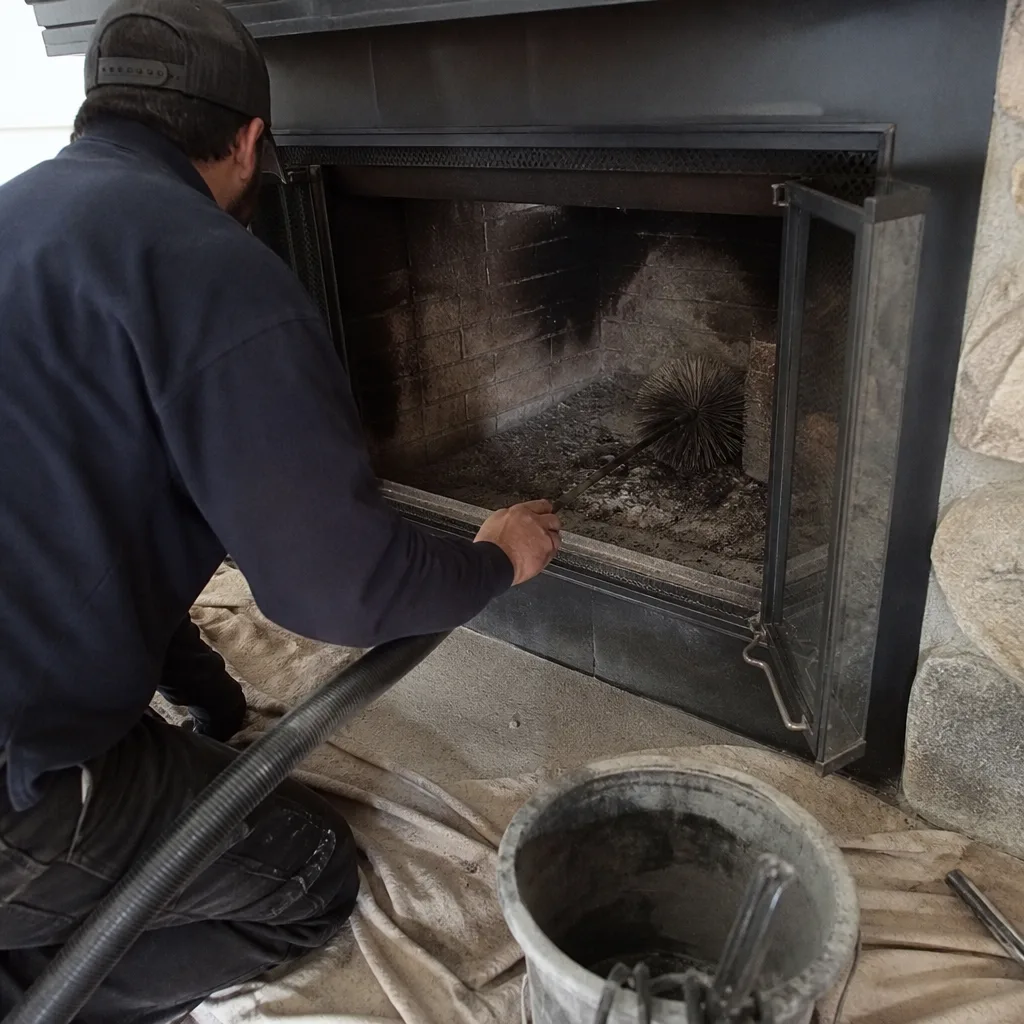
We don’t start cleaning until we know exactly what we’re dealing with. The process below is how every creosote removal job runs under the Haven Standard – no shortcuts, no surprises.
- Level 2 Camera Inspection and Classification. A camera goes down the flue before any tools touch it. We document the liner condition, the deposit depth, and the creosote class – Stage I (dry, flaky), Stage II (glazed and tar-like), or Stage III (hardened, shiny, and the most dangerous). You see the footage. We put the classification in writing. This is Haven Standard Clause 4: a documented photo record on every visit, not an optional add-on.
- Written Price Delivered Before Work Starts. Once we know the class and scope, we hand you a written price with a written scope and a written warranty. Nothing starts until you’ve signed off. This isn’t a formality – it’s Haven Standard Clause 1 (H.A.V.E.N. “Have it in writing”), and it’s non-negotiable on every job we do in Olympia.
- Rotary or Chemical Treatment, Matched to the Class. Class I deposits come off with rotary brush systems and a high-flow vacuum. Class II glazing requires a creosote-dissolving chemical treatment – typically applied on a first visit, given time to work, and then mechanically removed. Class III deposits are rare but serious; they require a chemical conversion process and, in some cases, a follow-up camera check to confirm full removal. We use professional-grade products sourced through Haven’s buying network, which keeps the cost of materials honest and the product quality consistent.
- Smoke Chamber and Smoke Shelf Cleaning. The smoke chamber – the funnel-shaped section above the firebox that compresses combustion gases before they enter the flue – collects creosote at the same rate as the liner. We clean it as part of every removal job, not as a billable extra. Leaving the smoke chamber coated while cleaning the liner above it is, in our view, an incomplete job.
- Post-Removal Camera Confirmation. After cleaning, the camera goes back down. We document the liner in its cleaned state, note any cracks, spalling, or mortar joint deterioration that the creosote was hiding, and add those images to your file. If we find something that needs repair – a cracked terra cotta tile, a compromised HeatShield-applicable joint – we note it in writing with a separate quoted price. We don’t flag repairs to sell repairs; we flag them because the camera found them.
- Written Completion Record and 365-Day Promise. You leave with a full documented record: before-and-after camera images, the technician’s written notes, and confirmation of the 365-Day Done Right Promise. If anything we touched isn’t right within a year, we make it right. That’s not a marketing line – it’s stamped on every job under the Haven Standard.
 Before
 After
AfterCreosote Removal Pricing in Olympia
Creosote removal in Olympia runs between $180 and $650 for most residential jobs. The range is wide because creosote class makes a large difference in labor and materials – a Stage I Fireplace Cleaning and a Stage III chemical conversion are genuinely different jobs.
| Creosote Class | Description | Typical Price Range (Olympia) |
|---|---|---|
| Class I (Stage 1) | Dry, flaky deposits – standard sweep removes it | $180 – $280 |
| Class II (Stage 2) | Glazed, tar-like – chemical treatment plus mechanical removal | $280 – $450 |
| Class III (Stage 3) | Hardened, shiny – chemical conversion, may require follow-up | $450 – $650+ |
A few things affect where your job lands in those ranges:
- Flue height and configuration. Olympia homes with two-story flues or offset liners take more time to clean than single-story straight runs.
- Time since last cleaning. A flue that hasn’t been documented in five years will almost always carry more material than one cleaned two seasons ago.
- Liner material. Older terra cotta tile liners common in Capitol Hill-area homes require more careful rotary technique than stainless steel DuraFlex liners installed in modern rebuilds.
- Smoke chamber condition. If the smoke chamber walls are parged with heavy glaze, that adds time to the job.
Every estimate from Level Two Chimney Olympia is written, itemized, and delivered before work starts. There’s no “call for a quote” here – if you bring us a written estimate from another company, we’ll give you a free second opinion on it at no charge. Call (360) 464-2015 and we’ll get you a number, not a range of possibilities.
Why Olympia’s Climate Makes Creosote a Particular Problem
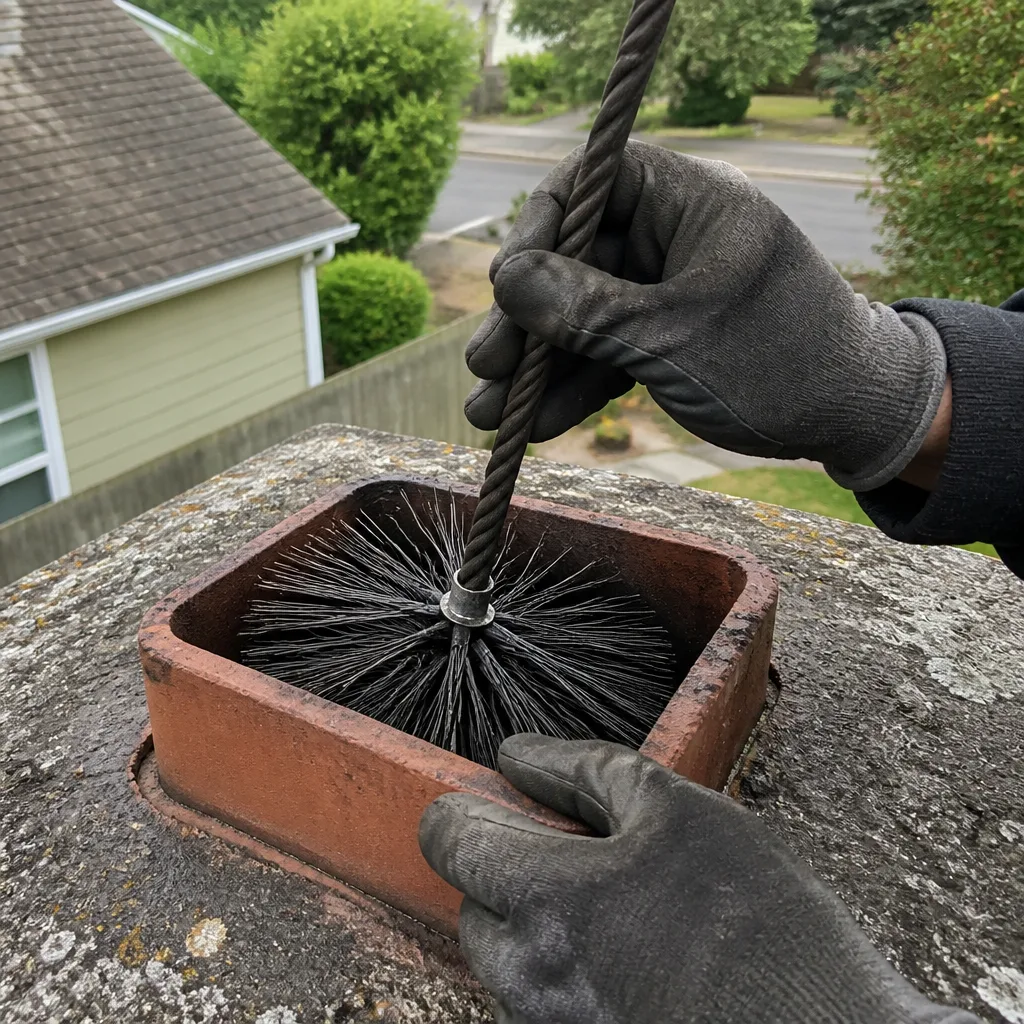
The Pacific Northwest weather pattern that Olympia sits in – wet from October through March, mild enough that many homeowners burn irregularly rather than continuously – creates the exact conditions that accelerate creosote formation. Short, low-temperature burns don’t get the flue liner up to the temperatures that keep condensation from forming. When water vapor from combustion hits a cool terra cotta or stainless liner, it condenses along with volatile tars from the wood, and those tars cool into creosote deposits.
In neighborhoods like West Olympia and the Westside near McLane Creek, many homes sit under a forest canopy that keeps the immediate air cooler and more humid than open-lot homes. That micro-climate matters for flue performance. We’ve pulled camera footage from flues in those areas showing Class II glaze after a single heating season on a fireplace that should have stayed clean given the cord count burned.
The firewood supply in Thurston County is also relevant. Alder is plentiful and cheap, and it’s a decent firewood when properly seasoned – but many cords sold locally are cut the same year they’re delivered. Green alder produces roughly twice the creosote of seasoned alder per cord burned. If your wood supplier sells by the cord and delivers within weeks of cutting, you’re likely burning wet wood, and you’ll see the evidence on your liner faster than you’d expect.
This is why we don’t offer a one-size-fits-all cleaning interval. The NFPA 211 standard calls for annual inspection, and we agree with that – but the cleaning interval for a home in Tumwater burning two cords of seasoned oak per winter is not the same as for a home in South Olympia burning four cords of fresh alder. The camera tells us which situation you’re in.
What Happens If You Don’t Remove It
Class I creosote is a maintenance problem. Class III creosote is a fire hazard.
A chimney fire burning through a heavy glazed deposit can reach temperatures above 2,000 degrees Fahrenheit – hot enough to crack terra cotta liners, warp steel, and ignite adjacent framing. The Olympia Fire Department responds to chimney-related fires in Thurston County every year, and in most cases the root cause is deferred cleaning on a flue that was already showing signs of heavy buildup.
We’re not saying this to alarm you – we’re saying it because a Level 2 Inspection and a Class II chemical treatment is a far smaller cost than even a minor chimney fire claim, and insurers are increasingly asking for documented cleaning records before honoring fire-related claims on wood-burning appliances. The documented photo record we produce on every visit isn’t just for your files; it’s evidence your insurer can actually use.
Class III deposits also hide liner damage. The same thermal shock that creates late-stage creosote cracks tile and degrades mortar joints. We’ve pulled Class III material from flues in the Lacey area and found liner fractures underneath that would have gone undetected without the post-removal camera pass. A HeatShield resurfacing job on a damaged tile liner costs significantly less than a full liner replacement – but only if you catch it before it progresses.
FAQs – Creosote Removal in Olympia
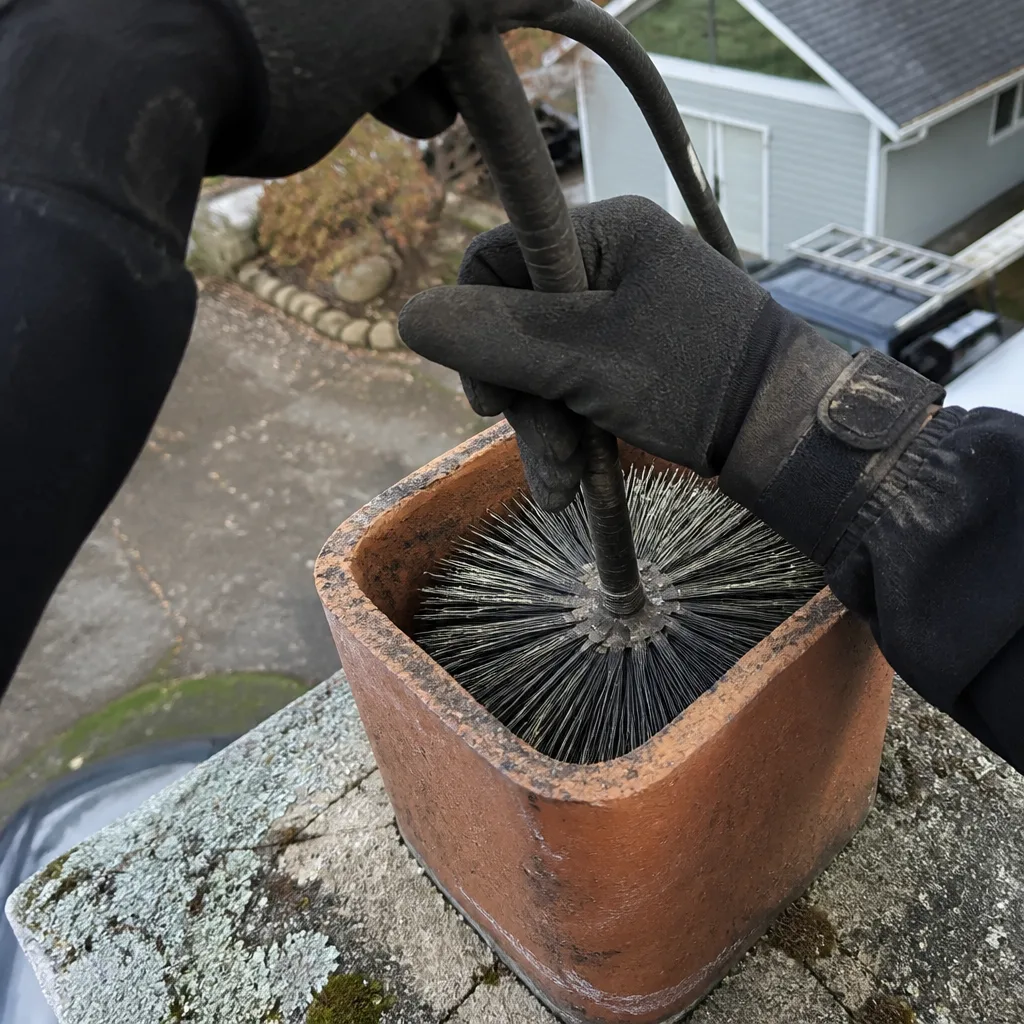
How much does creosote removal cost in Olympia, WA?
Creosote removal in Olympia costs between $180 and $650 for most residential flues, depending on the class of deposit and the flue’s size and configuration. Class I dry deposits at the lower end require a standard rotary sweep; Class III hardened glaze at the upper end requires a chemical conversion process and a follow-up camera check. Every job gets a written, itemized price before work begins – no estimates over the phone without seeing the flue. Call (360) 464-2015 to schedule a Level 1 Inspection and get a written number.
What are the three classes of creosote, and which one do I have?
Class I creosote is dry and flaky – it brushes out with standard rotary equipment and is the expected result of normal wood burning. Class II is a glazed, tar-like coating that forms when flue temperatures stay low during burns or when wet wood is used; it requires chemical treatment to break down before mechanical removal. Class III is a shiny, hardened deposit that represents a genuine fire risk and requires professional chemical conversion – it’s not something a homeowner can address safely. The only way to know which class you’re dealing with is a camera inspection. We classify it on-camera, in writing, and that classification determines the written price you receive before we start.
Can I remove creosote myself?
Class I deposits can be reduced by a careful homeowner with the right rotary brush equipment, though most people find the dust containment and flue access more difficult than expected. Class II and Class III creosote should not be approached as a DIY project. The chemical agents required to break down glazed or hardened deposits are strong, the application requires knowing exactly how long to leave them and at what temperatures, and the post-treatment mechanical removal needs a camera to confirm. More to the point, working in and around a flue without knowing the liner’s current condition – whether there are cracks, loose tiles, or compromised joints – creates a genuine safety risk. We’d rather you call us for the inspection and make a clear-eyed decision from there.
How often should I have creosote removed if I burn wood regularly in Olympia?
Annual inspection is the NFPA 211 minimum, and we agree with it as a starting point – but the cleaning interval depends on what the camera finds, not on a fixed schedule. In Olympia specifically, homeowners burning more than two cords per season, using locally sourced alder or Doug fir, or running low-temperature smoldering fires should expect to need a cleaning at least once per season. Homeowners burning seasoned hardwood in shorter, hotter fires may find their flue clean enough at 12 months to push to 18. We document the condition at every visit so the interval we recommend the following year is based on actual data from your specific flue, not a general rule.
Level Two Chimney Olympia: What You Get on Every Creosote Removal Job
This is a plain list of what the Haven Standard requires on every job, and what you’ll actually receive:
- Level 2 camera inspection of the full flue and smoke chamber before and after cleaning, with documented photo record (Haven Standard Clause 4)
- Written price, written scope, and written warranty delivered before work starts – not after the tech is already in your home (Haven Standard Clause 1)
- Background-checked, uniformed technician with a text sent when they’re on the way
- 365-Day Done Right Promise: if it’s not right within a year, we make it right
- Free Second Opinion on any written estimate from another company
- Live phone support at (360) 464-2015, answered 24 hours a day, seven days a week
- Materials sourced through Haven’s buying network – Copperfield, Gelco, and others – to keep product quality consistent and customer prices honest
Over 38,000 chimney inspections and cleanings since 2009, every one with a written price before work started and a documented record when it was done. That’s not a claim – it’s a practice we’ve run long enough to mean something.
If you’ve got a flue in Olympia that hasn’t been looked at in more than a year, or if you’ve been smelling something acrid when the fire burns, call (360) 464-2015. A live person will answer, we’ll schedule a camera inspection, and you’ll have a written price in hand before anything else happens. No pressure, no vague quotes, no surprises after the fact. That’s the whole point of how we work.
You can also learn more about the full scope of what we do on our home page, or read about the broader range of services included under Chimney Cleaning & Sweep in Olympia.
Written by Corrine Halstead, Owner at Level Two Chimney Olympia, serving Olympia.