
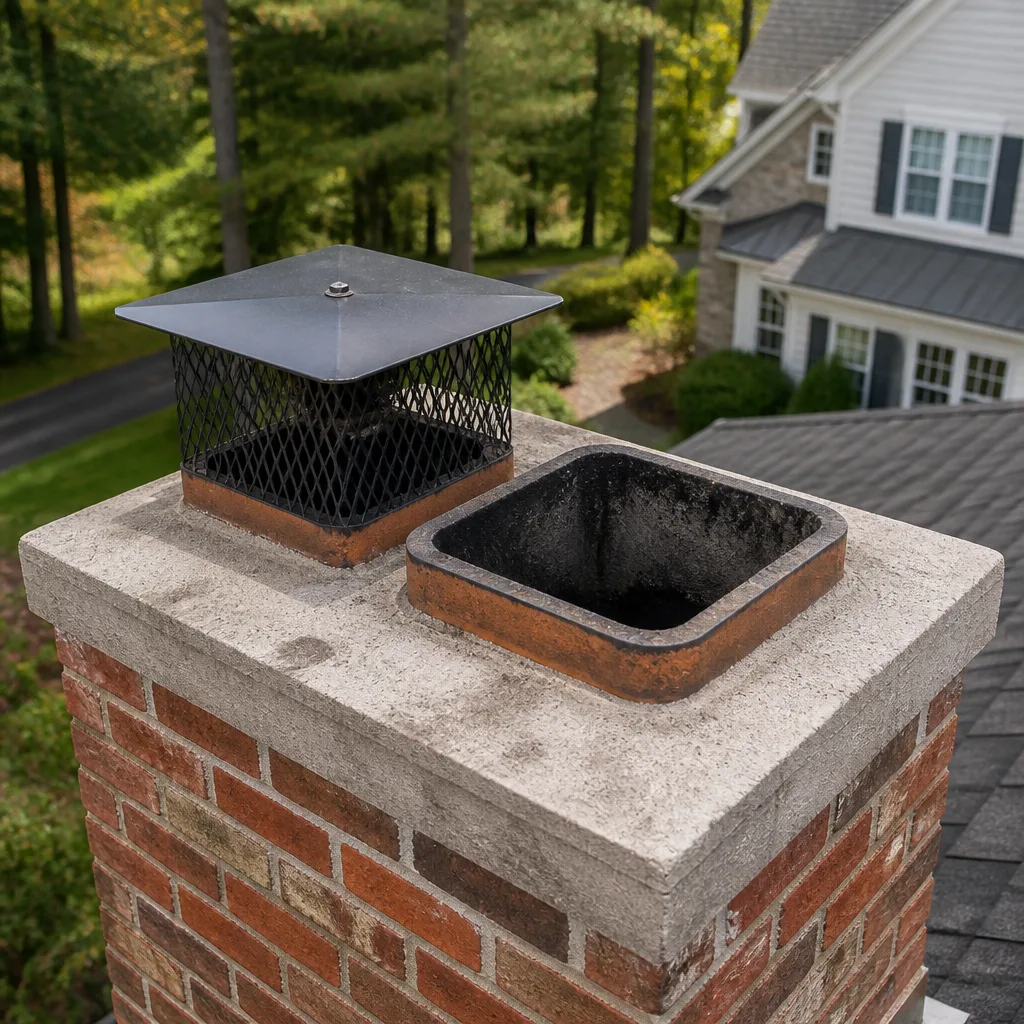
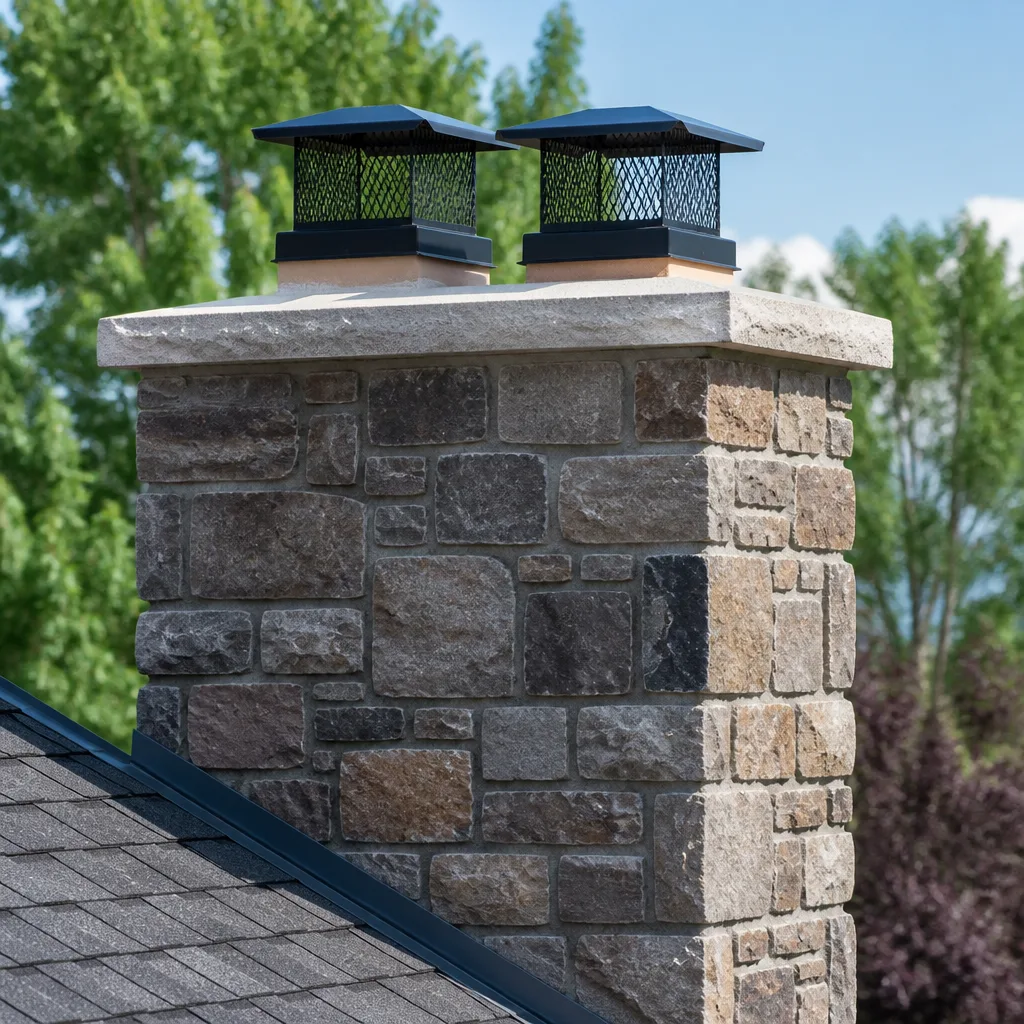
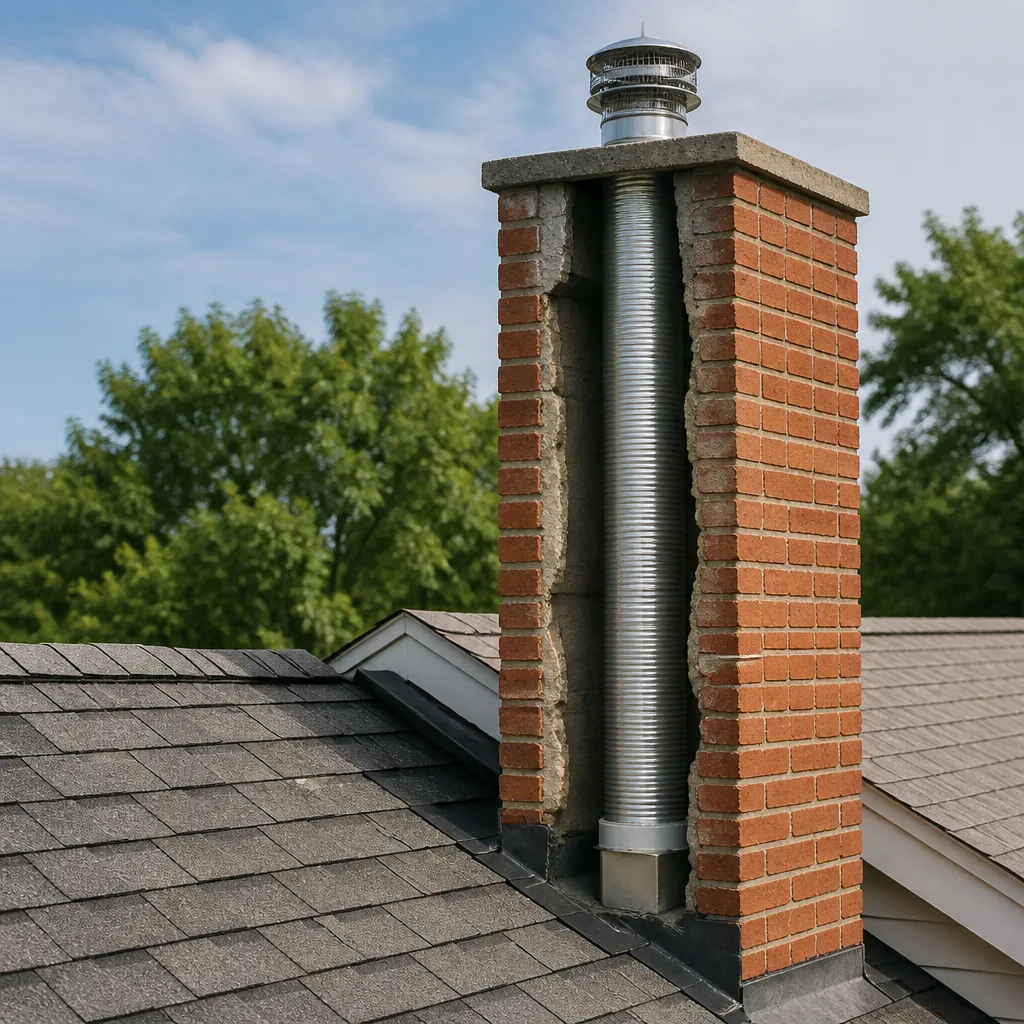
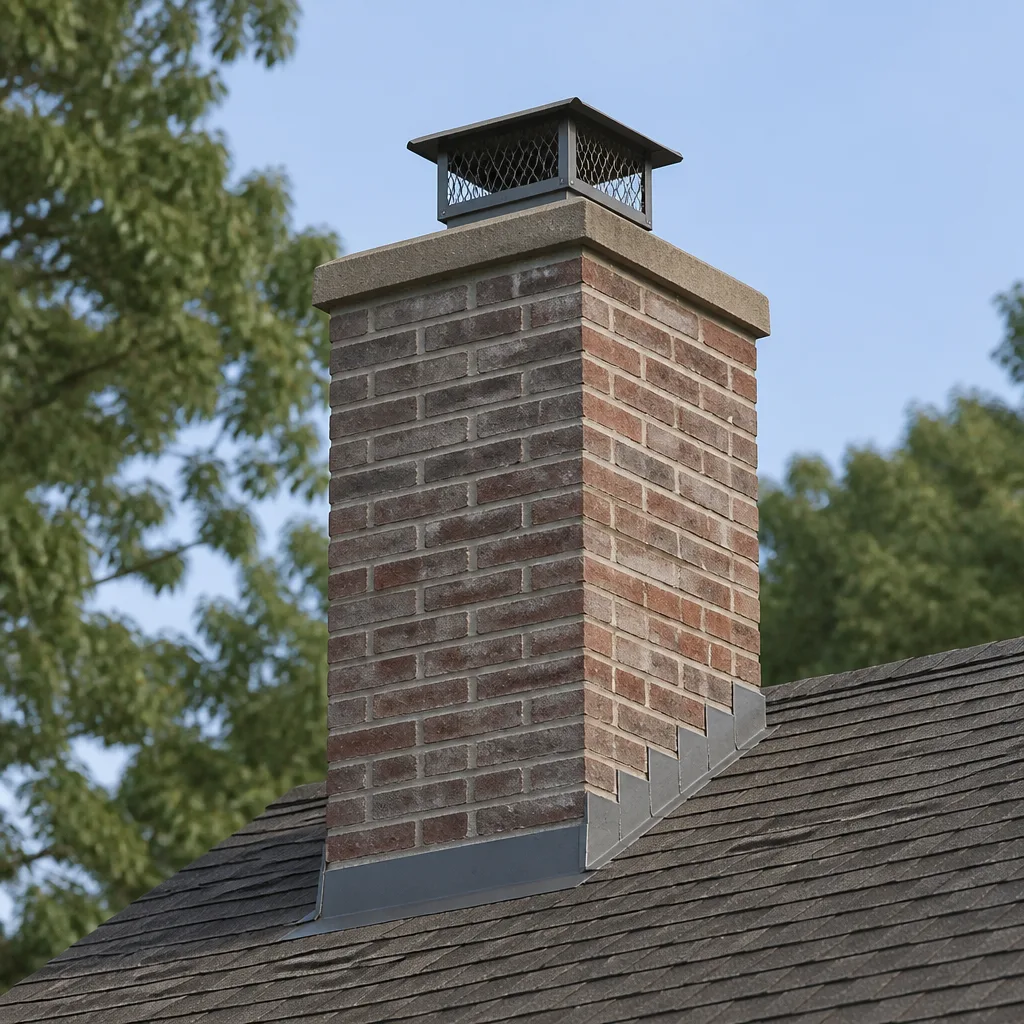
Level 1 sweep and inspection to the NFPA 211 annual standard - flue, crown, cap, and flashing checked and photographed
Chimney sweep logs do not sweep chimneys. They loosen some creosote - which then falls where a brush and vacuum still have to collect it.
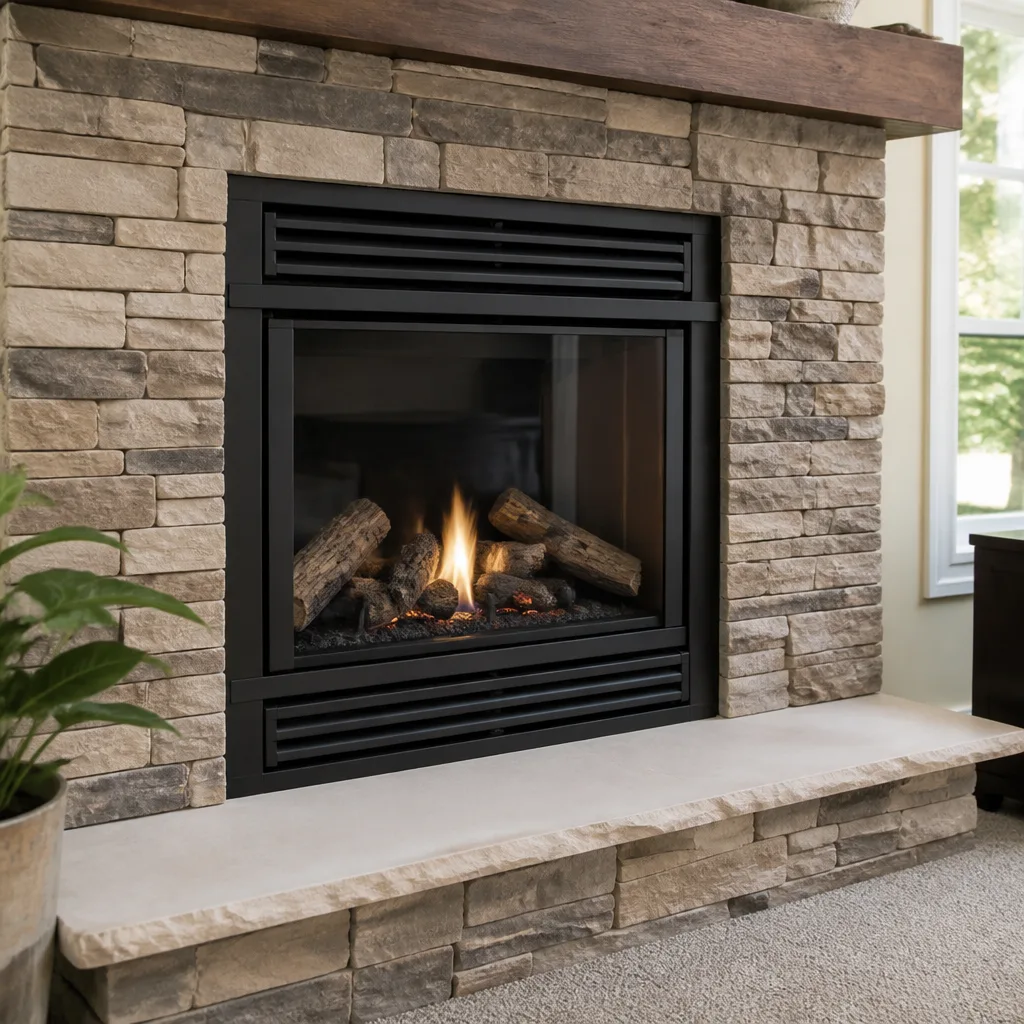
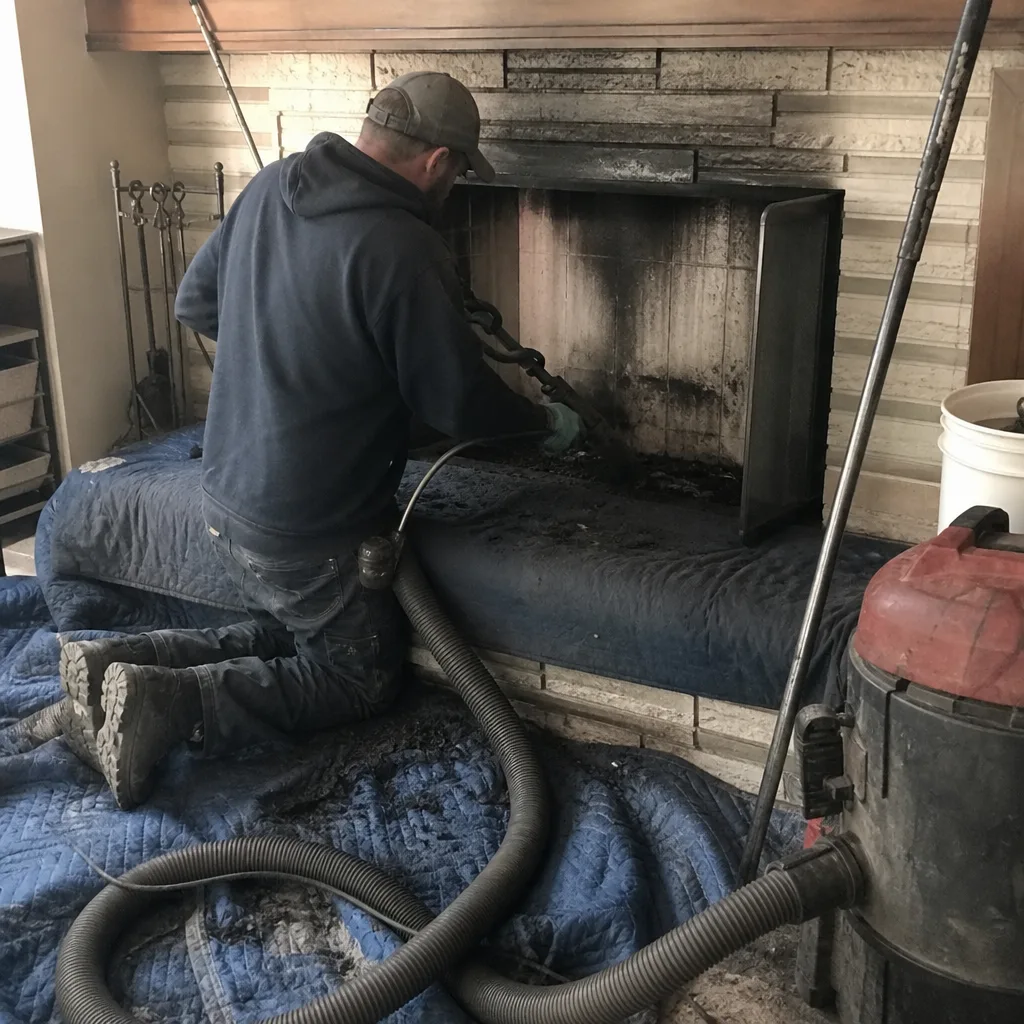 Before
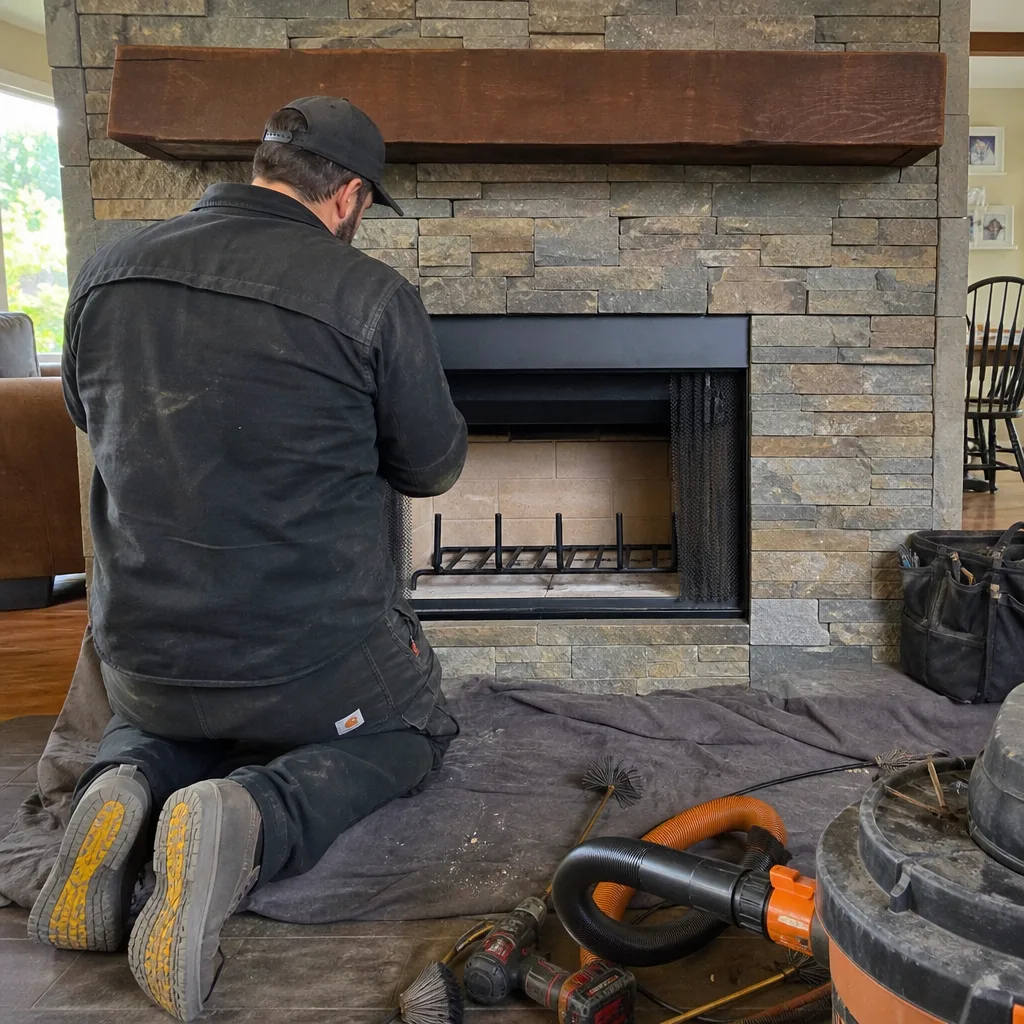 After
After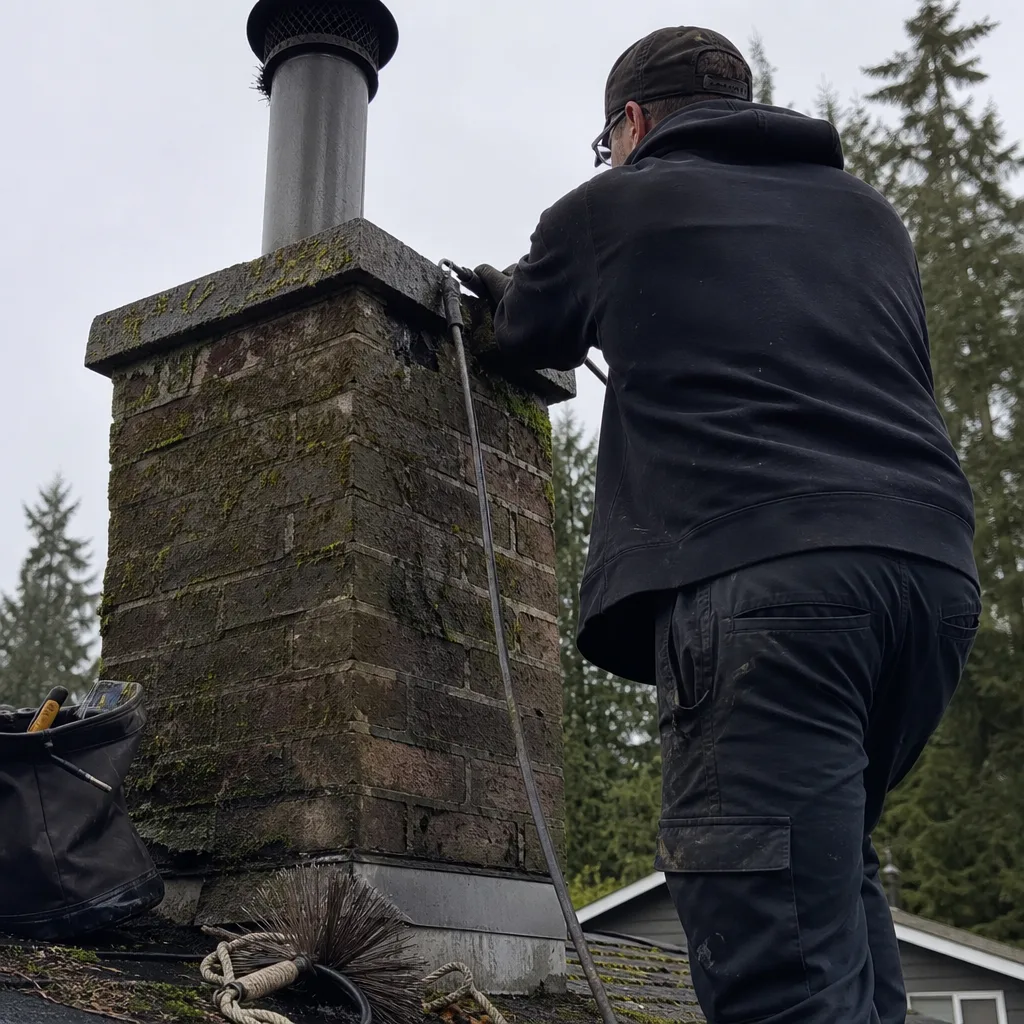 Before
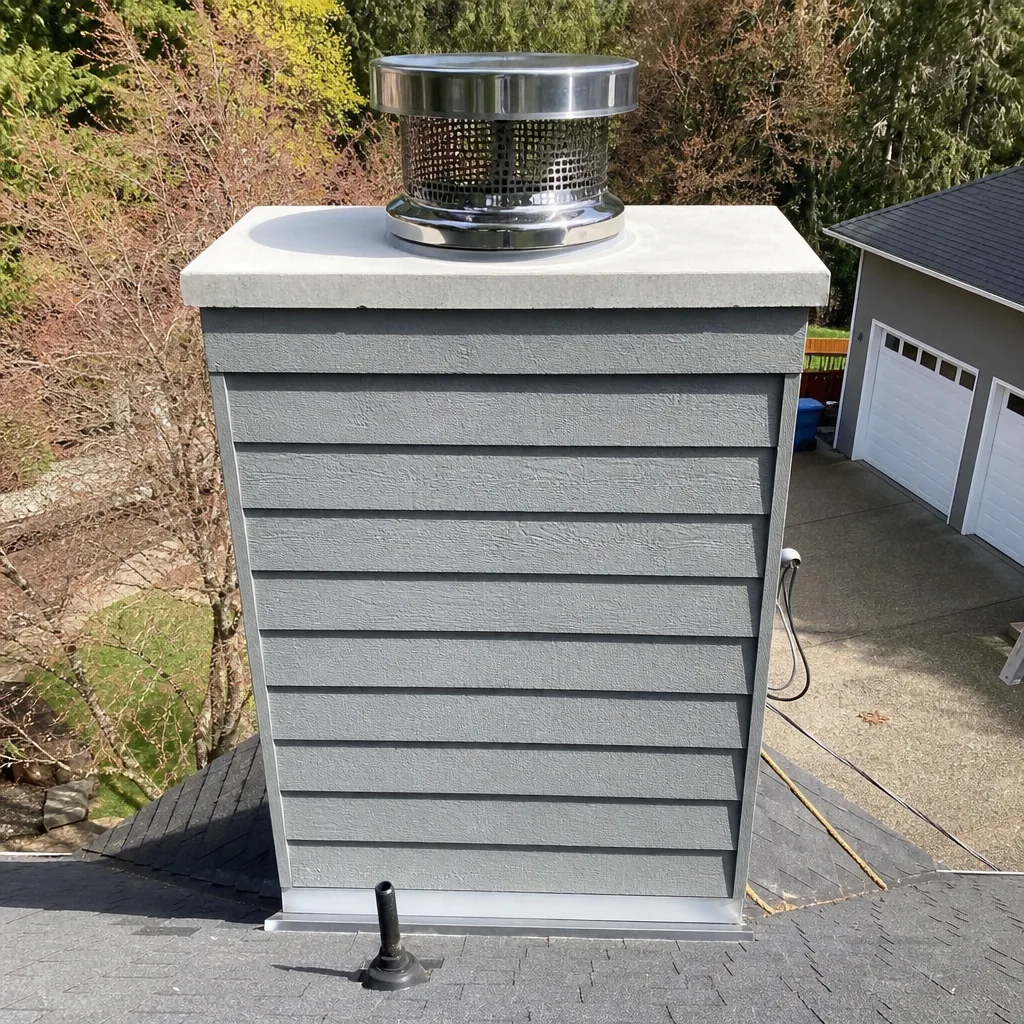 After
After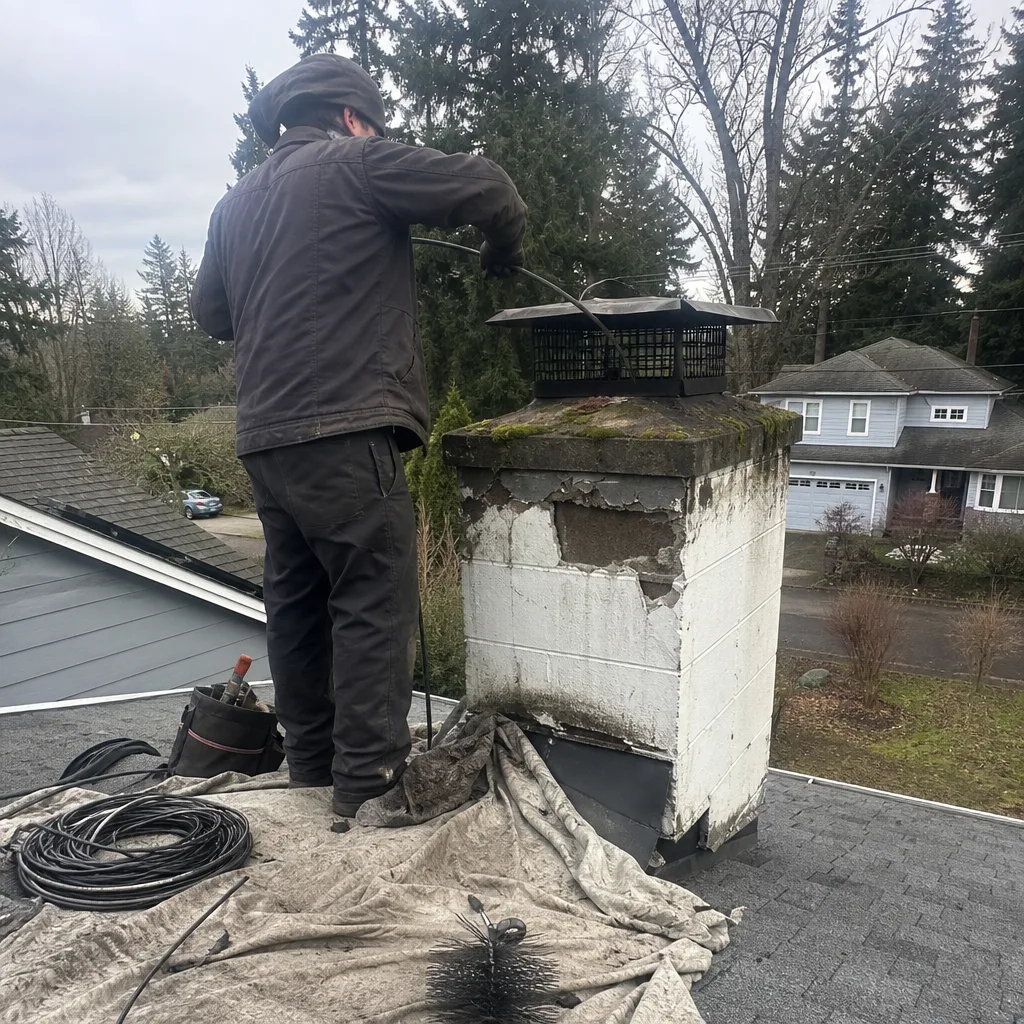 Before
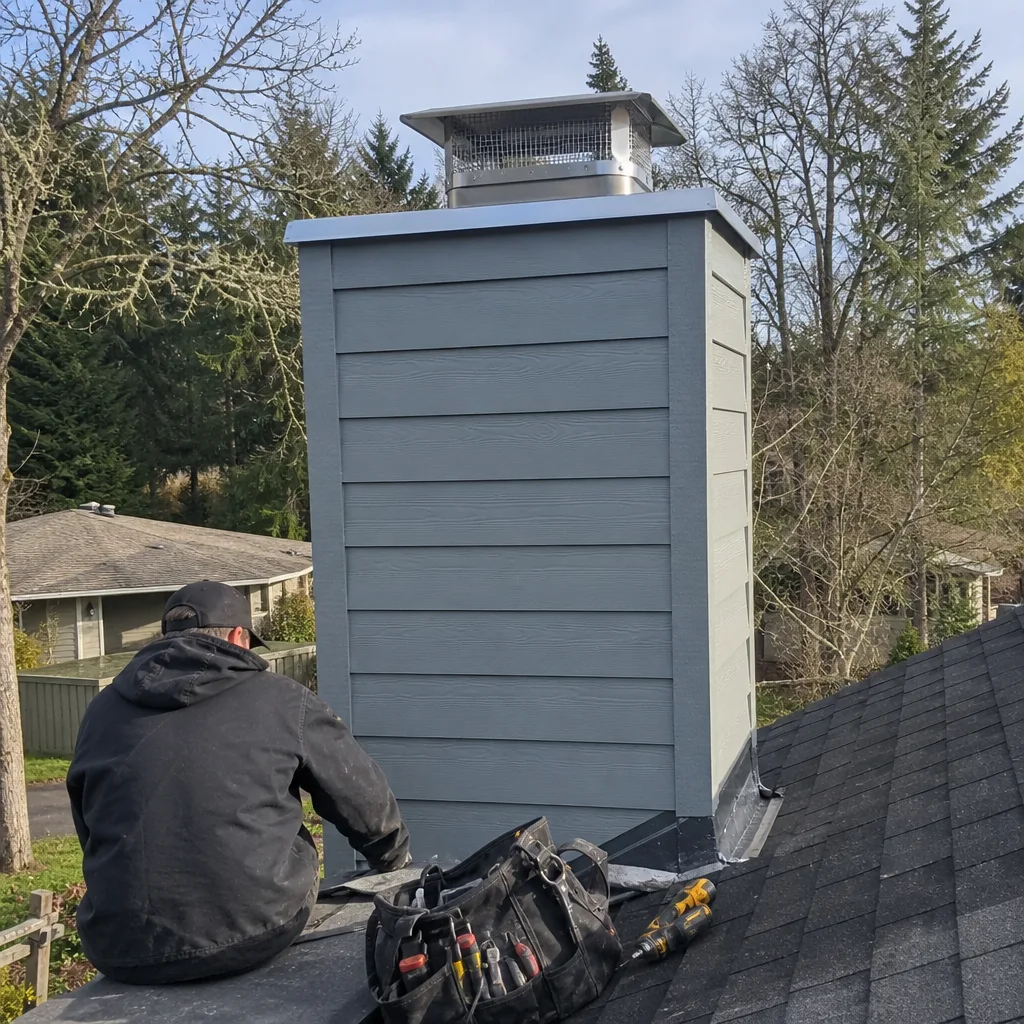 After
AfterFireplace Cleaning in Olympia, WA
Fireplace cleaning in Olympia typically runs $179-$349 depending on creosote buildup, fireplace type, and whether a a Level 2 Inspection is needed alongside the cleaning. Most appointments are completed in 90 minutes or less, and every visit includes a written price before we touch anything, plus a documented photo record when we’re done. If you’d like to schedule or just want a straight answer on what your fireplace needs, call us at (360) 464-2015 – a live person picks up, every time.
Level Two Chimney Olympia has cleaned and inspected more than 38,000 chimneys and fireplaces since 2009. Every one of those jobs started with a written price and ended with a documented photo record – that practice is Clause 4 of the Haven Standard, and it’s been the default here since before most competitors considered it optional. Corrine Halstead built this company around showing customers what was found and what it costs before asking anything of them. That’s still how every fireplace cleaning in Olympia works today.
Fireplace cleaning is a sub-service of our broader Chimney Cleaning & Sweep in Olympia work, though it focuses specifically on the firebox, smoke chamber, smoke shelf, and damper – the parts of the system inside your living space that accumulate creosote, ash, and debris most visibly.
When You Need Fireplace Cleaning
Olympia’s climate is a real factor here. We get a long burning season – cold, wet weather from October well into April – and fireplaces on the west side of the Puget Sound lowlands tend to accumulate creosote faster than homeowners in drier climates expect. Wood that looks dry can still carry enough moisture to produce heavier deposits, especially in neighborhoods like Indian Summer, South Capitol, or Briggs Village where older homes often have smaller flues that restrict draft.
- Visible soot or staining on the firebox walls. A thin layer of gray ash is normal. Black, oily, or tar-like buildup on the firebox interior signals creosote accumulation that needs to be removed before the next fire.
- Smoke backing into the room. If you’re getting smoke in the house when the damper is open, the smoke shelf or smoke chamber may be blocked with debris, bird nesting material, or heavy creosote – all common findings in Olympia homes that sit under Douglas fir canopy.
- A strong odor even when the fireplace isn’t in use. Creosote has a sharp, acrid smell that intensifies in summer when warm air moves down the flue. If your living room smells like a campfire in July, the firebox needs cleaning.
- You burned more than a cord of wood this season. One cord is roughly the point where annual cleaning makes practical sense. Many households in the South Sound burn closer to two cords between November and March, which means mid-season cleaning is worth considering.
- It’s been more than 12 months since the last professional cleaning. NFPA 211 recommends annual inspection and cleaning for any fireplace in regular use. If you can’t remember when it was last done, that’s your answer.
- You’ve moved into a home and don’t know the history. We see this regularly with buyers in the 2015-2025 purchase window – the inspection report mentioned the chimney but no one actually cleaned it. A documented cleaning gives you a clear baseline.
Our Fireplace Cleaning Process
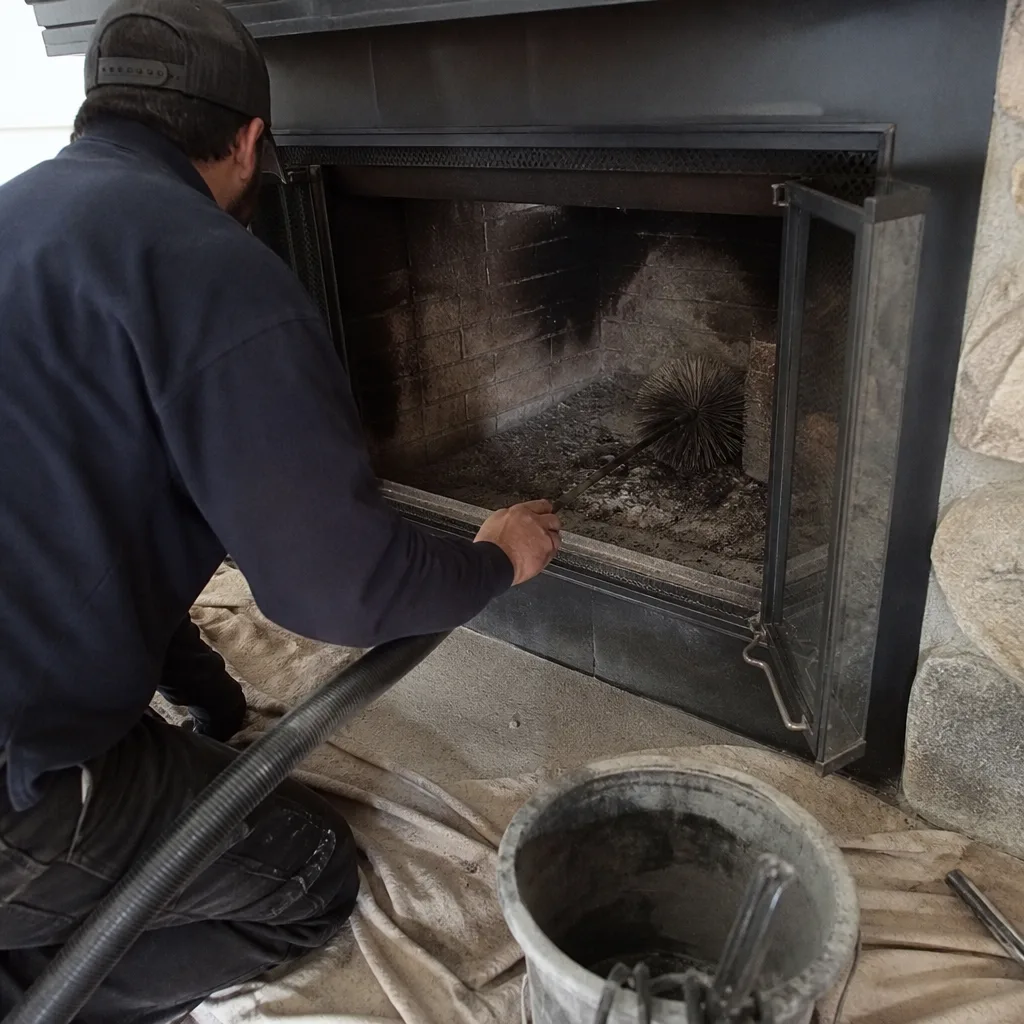
Here’s what actually happens on our Chimney Cleaning & Sweep services visit. No surprises, no upsells once the work starts. The written price comes first.
- Written price and scope before anything starts. The technician reviews the job, gives you a written price and written scope of work, and waits for your approval. This is Haven Standard Clause 1 – H.A.V.E.N. “Have it in writing.” No exceptions.
- Pre-clean camera inspection of the flue and firebox. We run a camera down the flue before cleaning so we can document current conditions: liner integrity, creosote class, and any blockages in the smoke chamber or smoke shelf. This is the NFPA 211 Level 2 approach – not a flashlight look. The footage becomes part of your visit record.
- Drop cloths and workspace protection. The firebox is a clean-room problem – fine ash and creosote dust will spread through a living room if the space isn’t sealed properly. We use drop cloths and a negative-pressure HEPA vacuum setup to keep your home clean while we work.
- Firebox, smoke shelf, and smoke chamber cleaning. We brush and vacuum the firebox walls, the smoke shelf (the horizontal ledge just above the damper where debris collects), and the smoke chamber above it. Class I creosote – dry, flaky deposits – comes out easily. Class II (puffed, crunchy) and Class III (tar-like, glazed) take more work and affect pricing accordingly. We’ll name the class we found and explain what it means in plain language.
- Damper inspection and condition report. The damper plate is checked for warping, corrosion, and proper seating. A damper that doesn’t seal tightly wastes heat and lets conditioned air escape year-round. We note the condition in writing and give you options if repair or replacement makes sense.
- Post-clean documentation and photo record. When the work is done, we photograph the firebox, smoke shelf, and any notable findings. You receive a written summary of what we found, what we did, and the current condition of the system. This is Clause 4 of the Haven Standard – the photo record is included on every visit, not an optional add-on.
If we find something during cleaning that wasn’t visible in the initial assessment – a cracked firebox liner, spalling firebrick, or a failed smoke chamber parging coat – we stop, document it, and give you a written option before doing anything additional. That’s the only way this works honestly.
 Before
 After
AfterFireplace Cleaning Pricing in Olympia
Fireplace cleaning in Olympia runs $179-$349 for most residential jobs. Here’s what moves the price within that range:
| Service | Typical Price Range |
|---|---|
| Standard fireplace cleaning (Class I creosote, open firebox) | $179-$229 |
| Fireplace cleaning with Class II creosote removal | $229-$289 |
| Fireplace cleaning with Class III (glazed) creosote treatment | $289-$349+ |
| Camera inspection (NFPA 211 Level 2) added to cleaning visit | Included in visit documentation – see written scope |
| Smoke chamber parging inspection notation | Documented at no extra charge during cleaning |
| Damper repair or replacement (if needed – separate quote) | Written quote before any work begins |
What affects where your job lands in that range: the creosote class (Class III glazed deposits require chemical treatments and significantly more labor), the size of the firebox opening, access difficulty, and whether the smoke chamber shows signs of deterioration that need to be documented separately. Wood-burning fireplaces in homes built before 1980 – common in Olympia’s Eastside and Bigelow neighborhoods – sometimes have non-standard firebox geometries that add time to a thorough cleaning.
We don’t quote over the phone and then revise the number when the tech arrives. The written price is the price. If you have a written estimate from another company, bring it to us – we offer a free second opinion on any written quote.
Call (360) 464-2015 to get a written estimate. There’s no charge for the estimate itself.
What the Documented Photo Record Actually Means for You
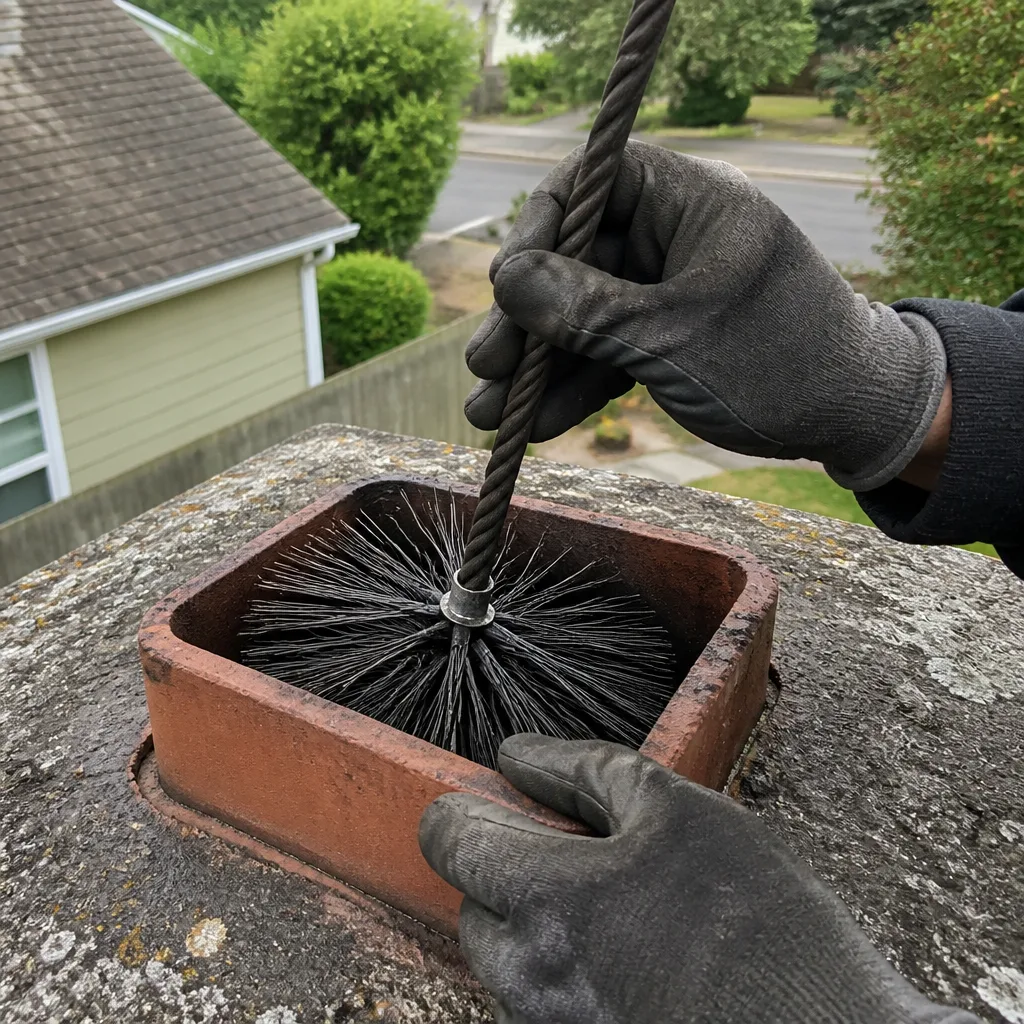
Most homeowners only think about fireplace cleaning as a fire-safety checkbox. That’s not wrong – it is a fire-safety measure. But the documented photo record we leave behind has practical uses beyond the inspection itself.
Insurance adjusters ask for documentation when a chimney-related claim is filed. If you ever sell your home, a buyer’s inspector will ask when the fireplace was last professionally cleaned – a written record and photo file from Level Two Chimney Olympia answers that question with evidence rather than memory. And if we clean your fireplace this year and come back next year, the previous photos give us a clear baseline: we can show you exactly what changed, what didn’t, and why we’re recommending what we’re recommending.
Corrine Halstead has been insisting on this documentation standard since 2009. It became Clause 4 of the Haven Standard not because anyone required it, but because a customer shouldn’t have to take a technician’s word for what was found in a space they can’t see themselves.
The Creosote Problem in Olympia Homes
Creosote is the byproduct of incomplete wood combustion – the residue that condenses on cooler flue surfaces as smoke travels upward. It comes in three classes:
- Class I: Dry, flaky, gray or black. Brushes out easily. Common after burning properly seasoned hardwood with good draft.
- Class II: Puffed, crunchy, tar-like in places. Harder to remove. Usually indicates lower burn temperatures or wetter wood.
- Class III: Glazed, shiny, hard. Highly flammable and resistant to standard brushing. Requires chemical treatment – products like those in the Copperfield line – followed by re-cleaning. This is the stage where chimney fires become a real risk.
In Olympia, we see Class II deposits more frequently than in drier inland markets. The combination of mild, damp winters and the availability of cheap, often under-seasoned alder and maple means many households are burning wood that produces heavier deposits than they’d expect. If you’re in Lacey, Tumwater, or out toward Yelm and you’ve been burning alder from a neighbor’s property, there’s a reasonable chance you’re looking at Class II or higher after one season.
Soot Removal for Class III creosote is where we need to be direct: the firebox walls get extremely hot during a creosote fire, and without a confirmed-intact flue liner, that heat transfer to surrounding framing is a serious hazard. We’ll document the class, explain the risk in plain terms, and give you a written remediation option – but we won’t tell you the fireplace is fine when the evidence says otherwise.
Fireplace Cleaning vs. Full Chimney Cleaning: What’s the Difference?
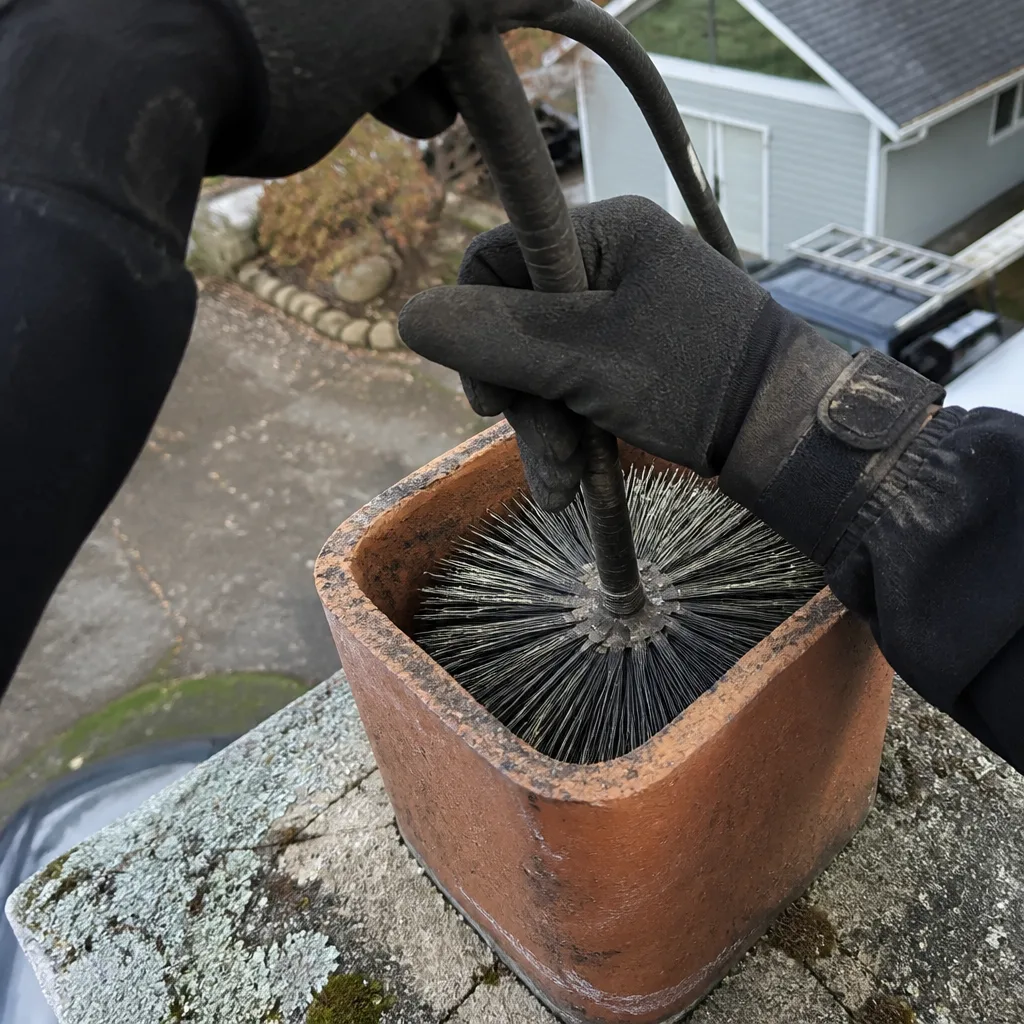
Fireplace cleaning focuses on the components inside or just above the firebox: the firebox walls, smoke shelf, smoke chamber, and damper. Full chimney cleaning – covered in detail on our home page – extends that work up through the entire flue liner to the crown and cap at the top of the chimney stack.
For most homeowners, both services happen together on the same visit. But there are cases where a targeted firebox cleaning makes sense on its own: you’ve already had the flue swept and just want the firebox detail work done, or a smoke chamber inspection revealed a specific issue that needs to be addressed before the next burn season. We’ll tell you which scope actually fits your situation – not the one that runs up a larger ticket.
FAQs – Fireplace Cleaning in Olympia
How much does fireplace cleaning cost in Olympia?
Fireplace cleaning in Olympia runs $179-$349 for most homes, depending on creosote class, firebox size, and access. Class I deposits at the lower end of that range, Class III glazed creosote at the higher end. Every job is quoted in writing before work starts – there’s no revision at the end. Call (360) 464-2015 for a written estimate, no charge for the estimate itself.
How often should I have my fireplace cleaned?
NFPA 211 recommends annual Level 1 Inspection and cleaning for any wood-burning fireplace in regular use. In Olympia’s climate – a long burning season with common use of alder and maple – annual cleaning is the right baseline. If you’re burning more than a cord and a half per season, a mid-season check is worth considering. The documented photo record from your previous visit gives us an exact comparison point year over year.
Is fireplace cleaning messy? Will it leave soot in my home?
Not when it’s done correctly. We use drop cloths and a negative-pressure HEPA vacuum setup that contains fine ash and creosote dust during cleaning. The goal is to leave your firebox clean and your living room exactly as we found it. If you’ve had a cleaning done before and ended up with soot on the carpet, that’s a setup problem on the technician’s end – not an inherent part of the process.
Can I clean my fireplace myself?
You can remove loose ash from the firebox floor yourself without any safety risk – a metal ash bucket and a brush handle that task fine. But creosote removal is different. Class II and Class III deposits require wire brushing tools sized to your specific flue, a proper containment setup, and the judgment to identify what you’re actually looking at. Attempting to brush out glazed Class III creosote without recognizing it as such can dislodge deposits into the firebox and create a fire condition. For anything beyond surface ash, a professional cleaning with camera documentation gives you an accurate picture of what’s there – and what it means. Call (360) 464-2015 if you want a straight answer on what your fireplace actually needs.
Key Takeaways
- Fireplace cleaning in Olympia runs $179-$349, written price before work starts, no exceptions.
- Every visit includes a camera inspection (NFPA 211 Level 2) and a documented photo record – Clause 4 of the Haven Standard, included as standard since 2009.
- Olympia’s long, damp burning season produces heavier creosote deposits than most homeowners expect – Class II is common, Class III isn’t rare.
- The cleaning covers the firebox walls, smoke shelf, smoke chamber, and damper – not just a brush-through of the visible surfaces.
- Every job is backed by the 365-Day Done Right Promise: if it’s not right, we make it right.
- Bring us any written competitor estimate and we’ll give you a free second opinion.
Schedule Your Fireplace Cleaning in Olympia
If your fireplace has been used this season – or if you’ve moved into a home and don’t have a documented cleaning on file – call Level Two Chimney Olympia at (360) 464-2015. A live person answers every call. We’ll give you a written price before anyone starts work, document everything we find with photos, and back the job with our 365-Day Done Right Promise. That’s the standard on every fireplace cleaning in Olympia, no matter the size of the job.
Written by Corrine Halstead, Owner at Level Two Chimney Olympia, serving Olympia.