
Last updated September 21, 2026
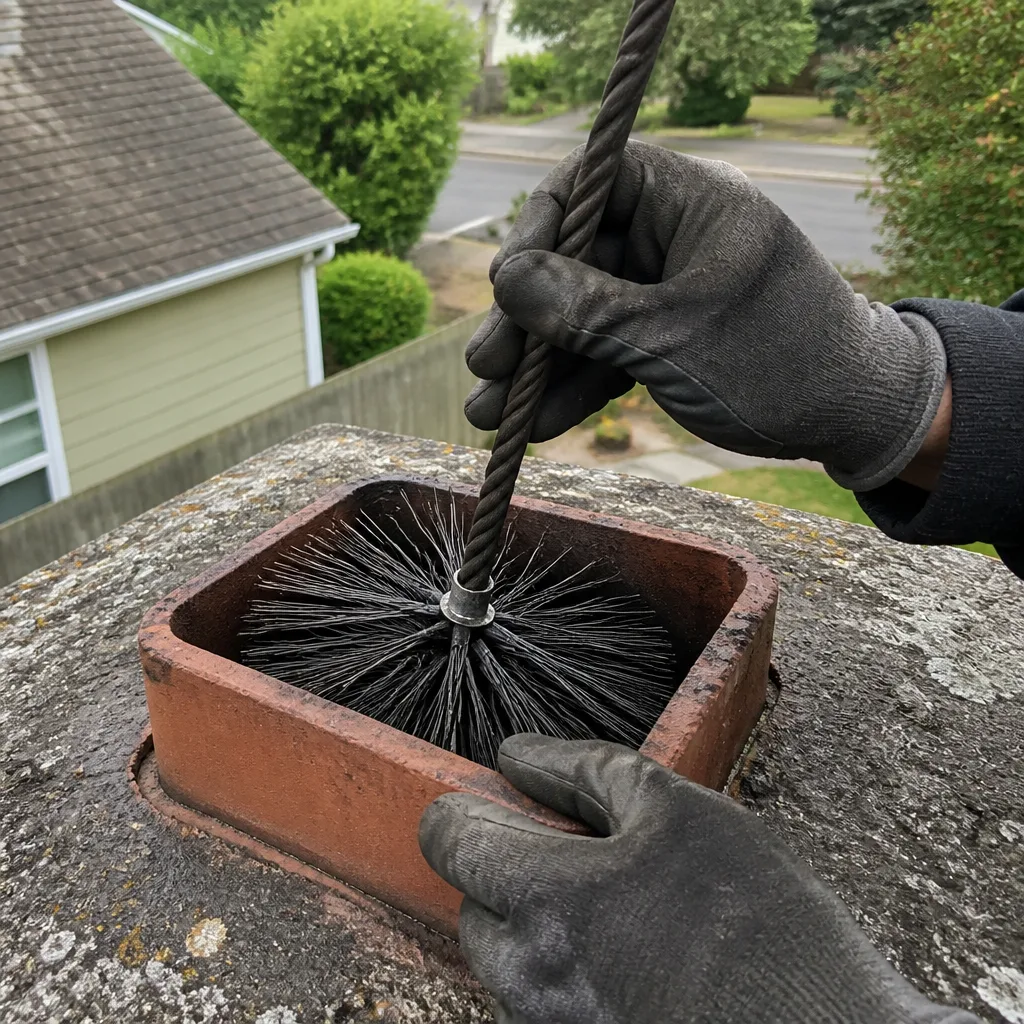
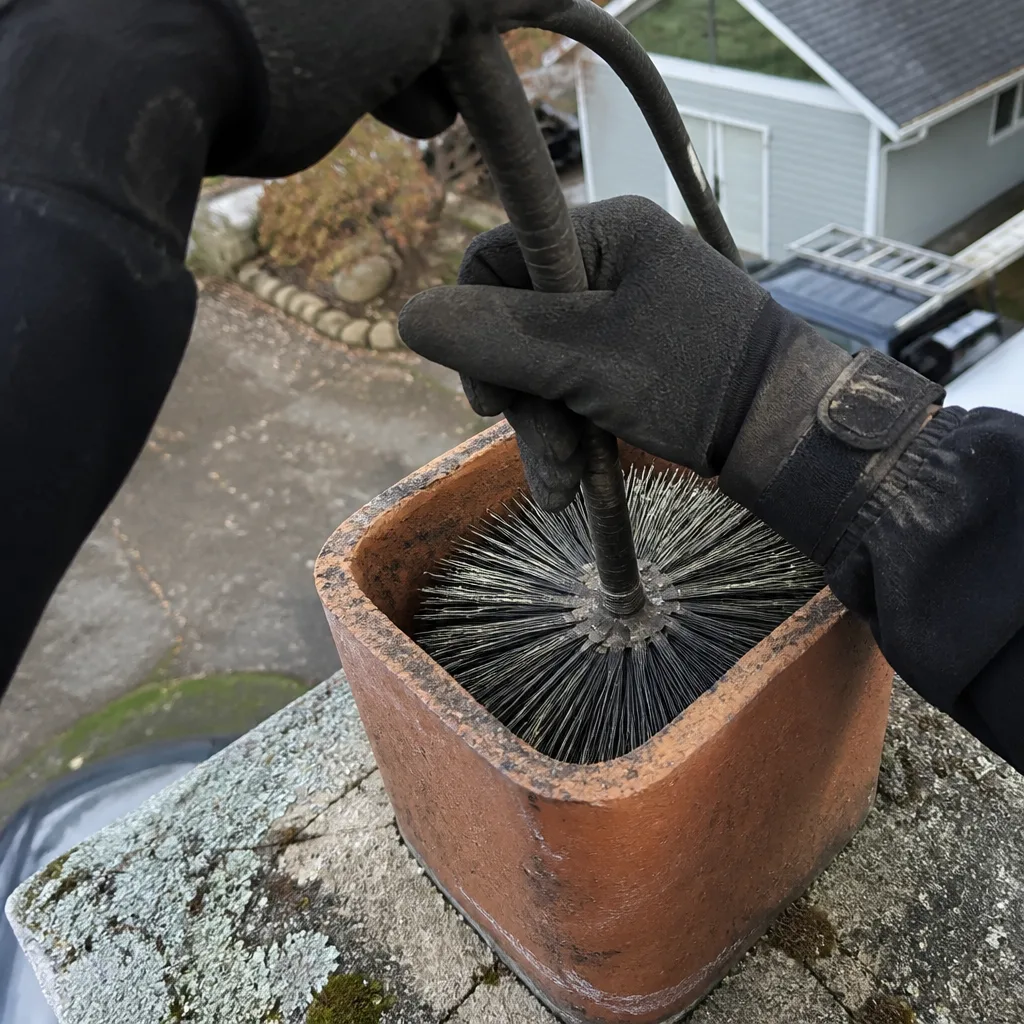
Level 1 sweep and inspection to the NFPA 211 annual standard - flue, crown, cap, and flashing checked and photographed
Chimney sweep logs do not sweep chimneys. They loosen some creosote - which then falls where a brush and vacuum still have to collect it.
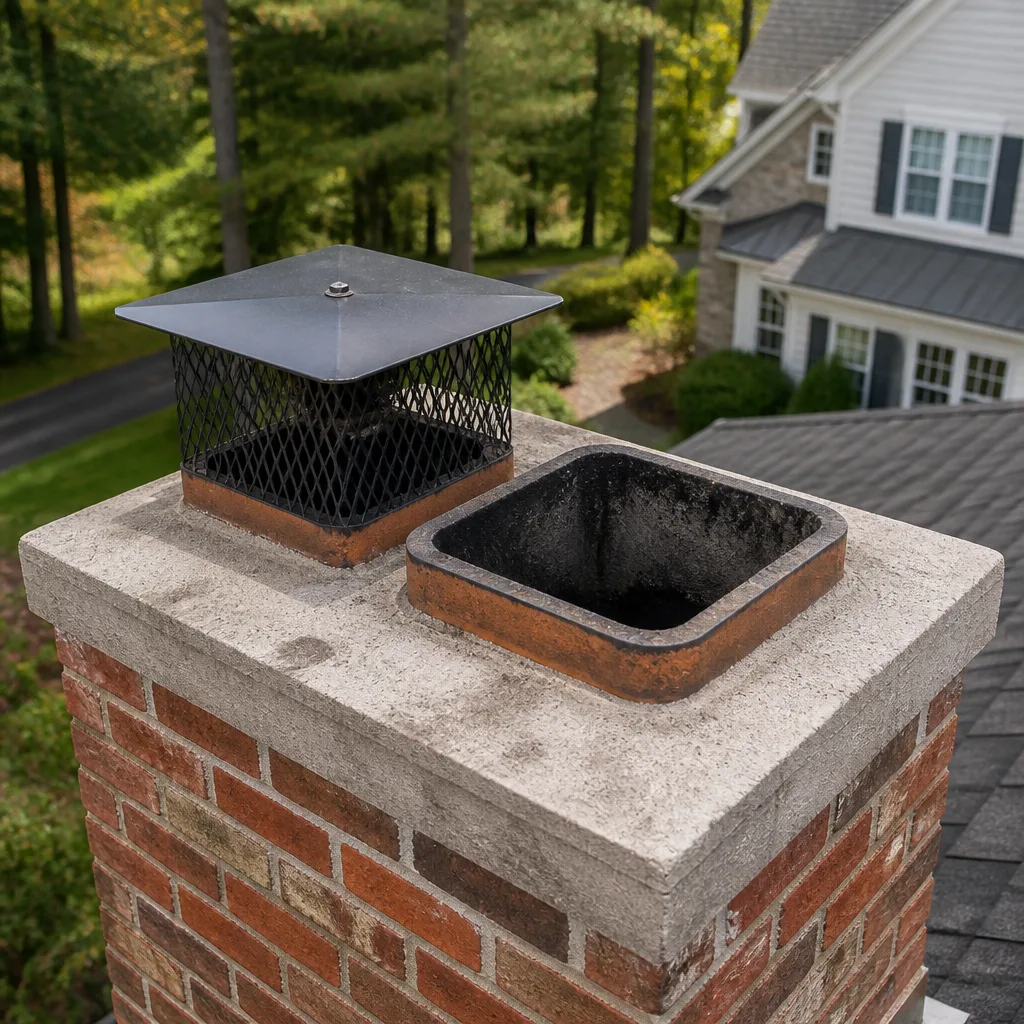
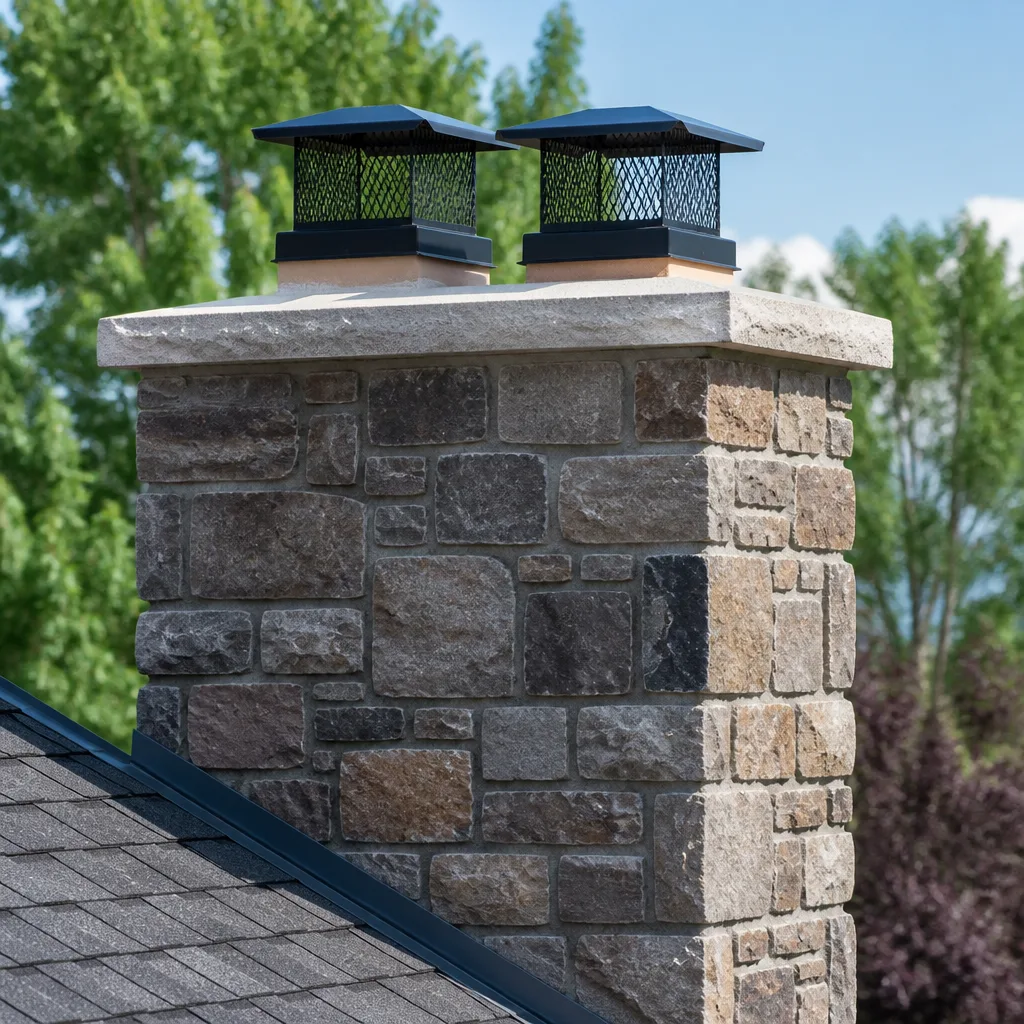
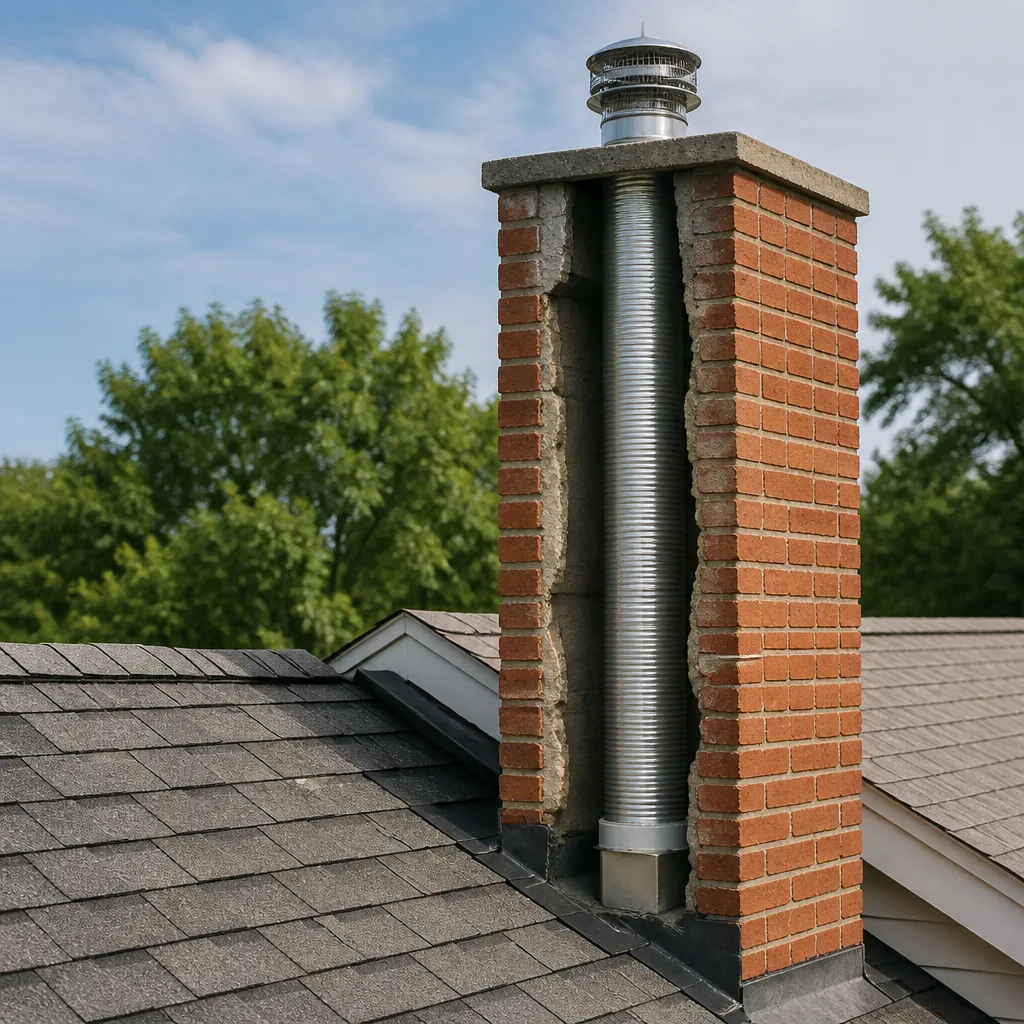
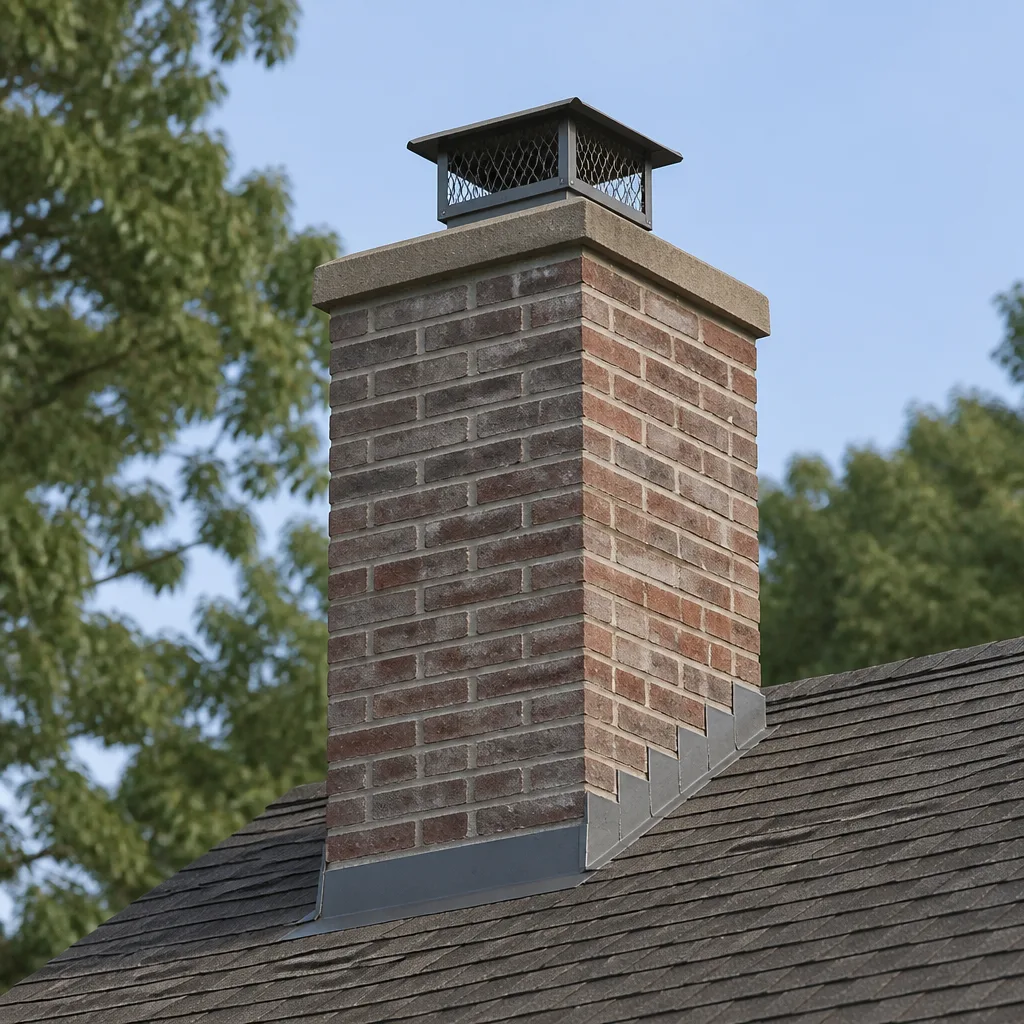
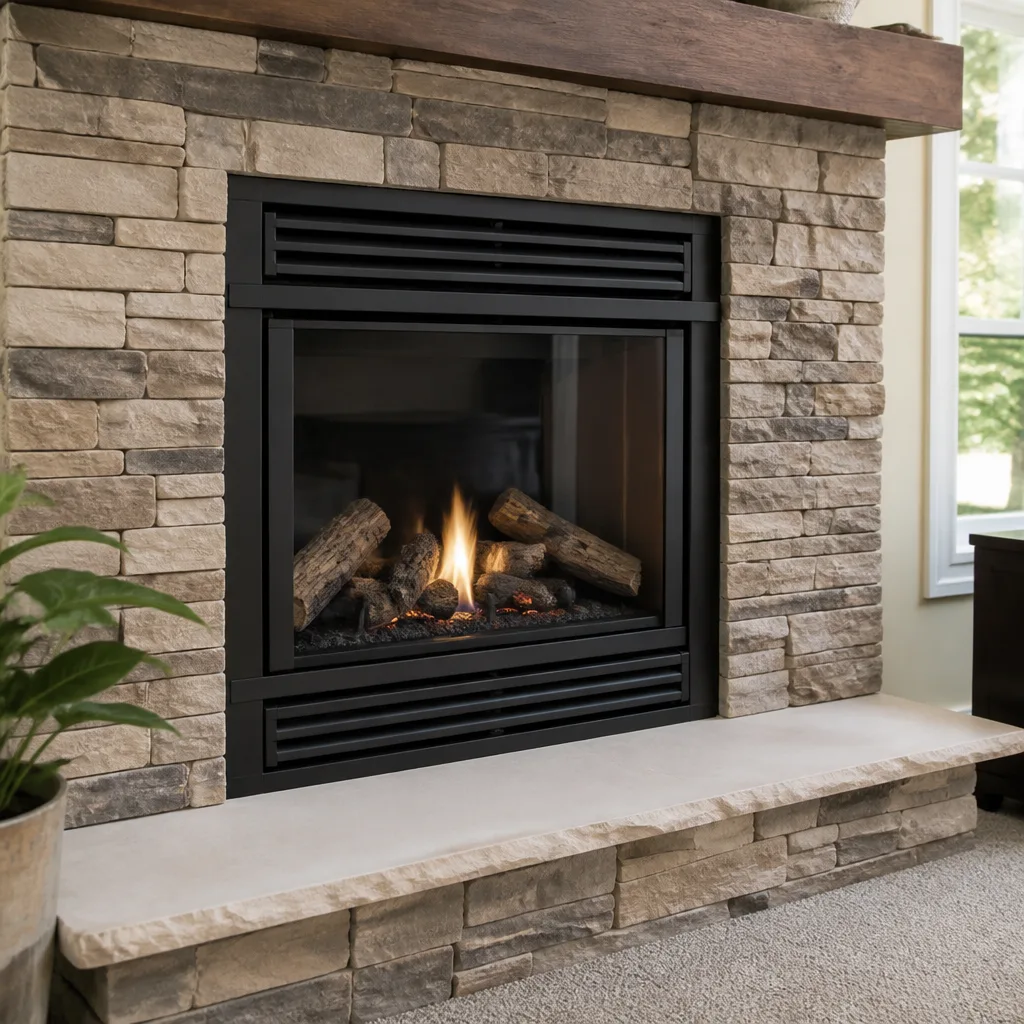
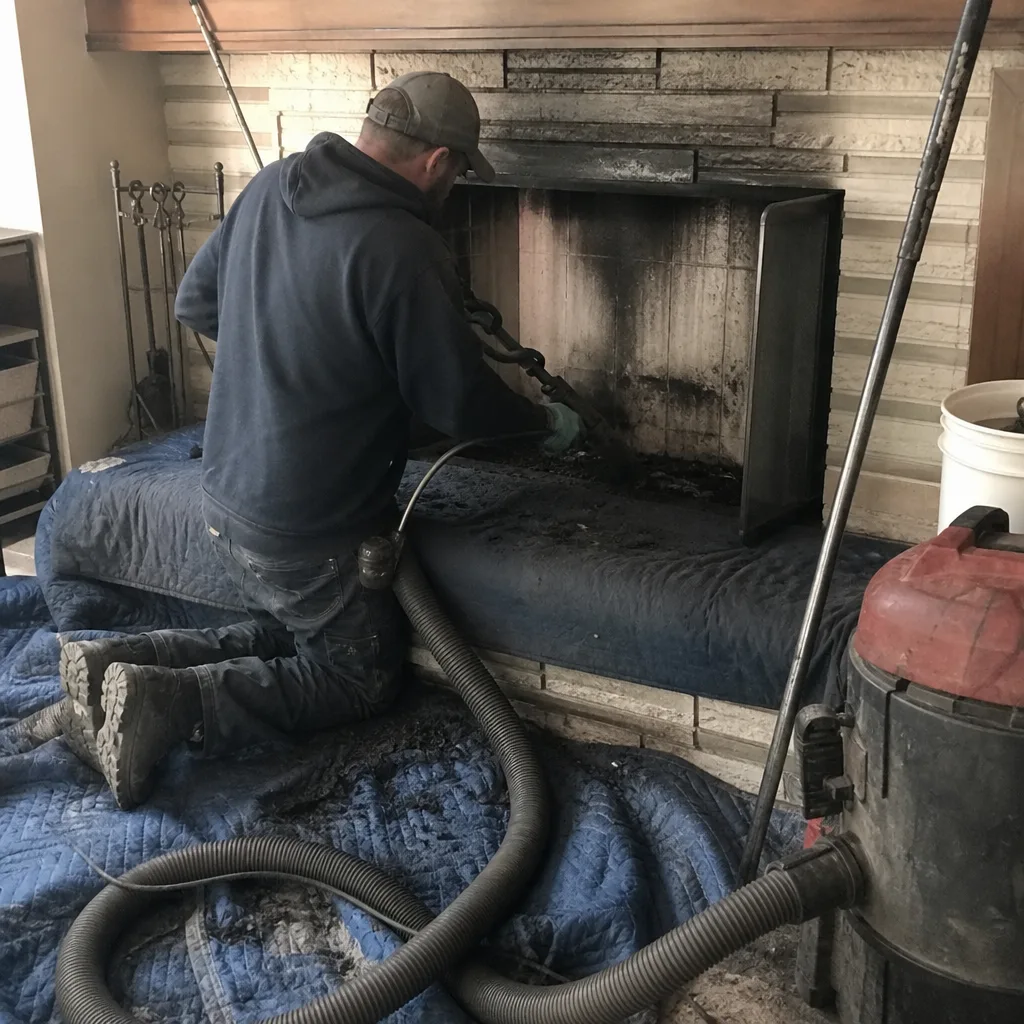 Before
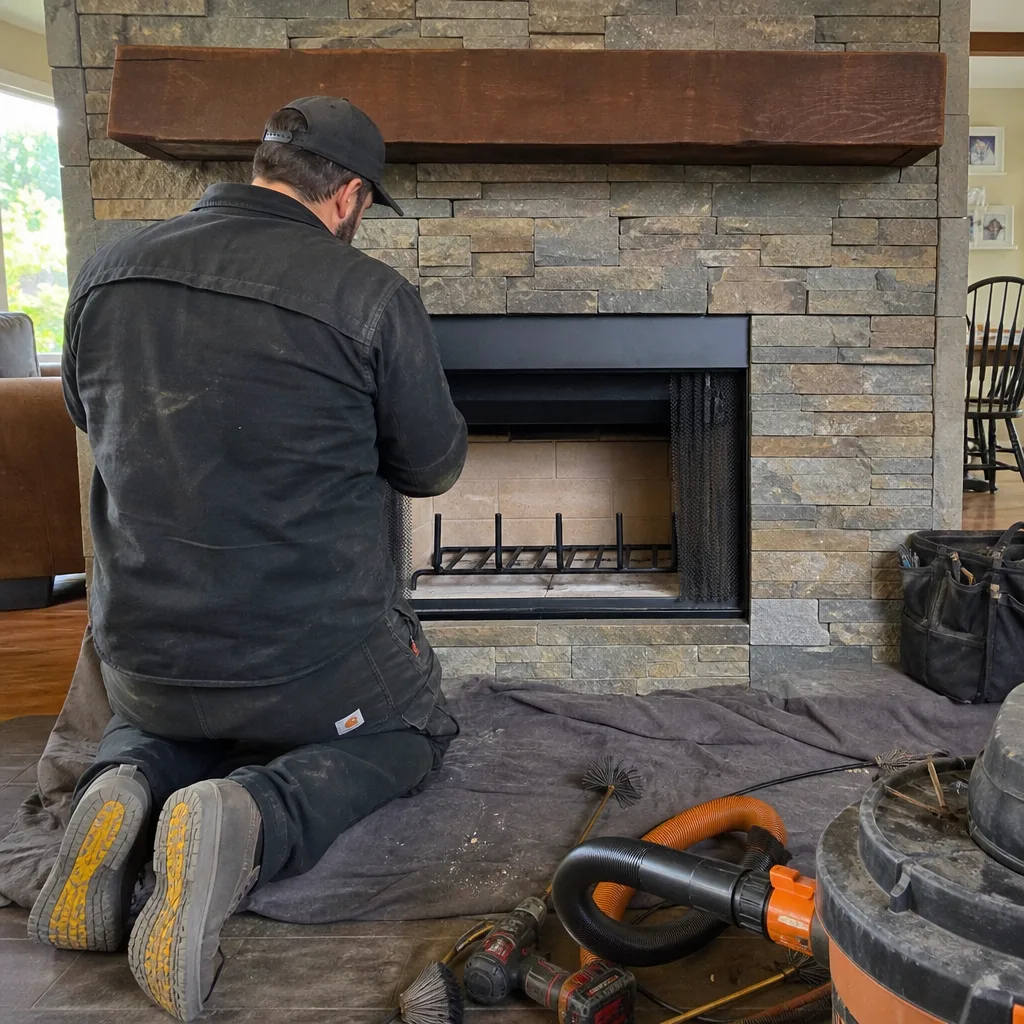 After
After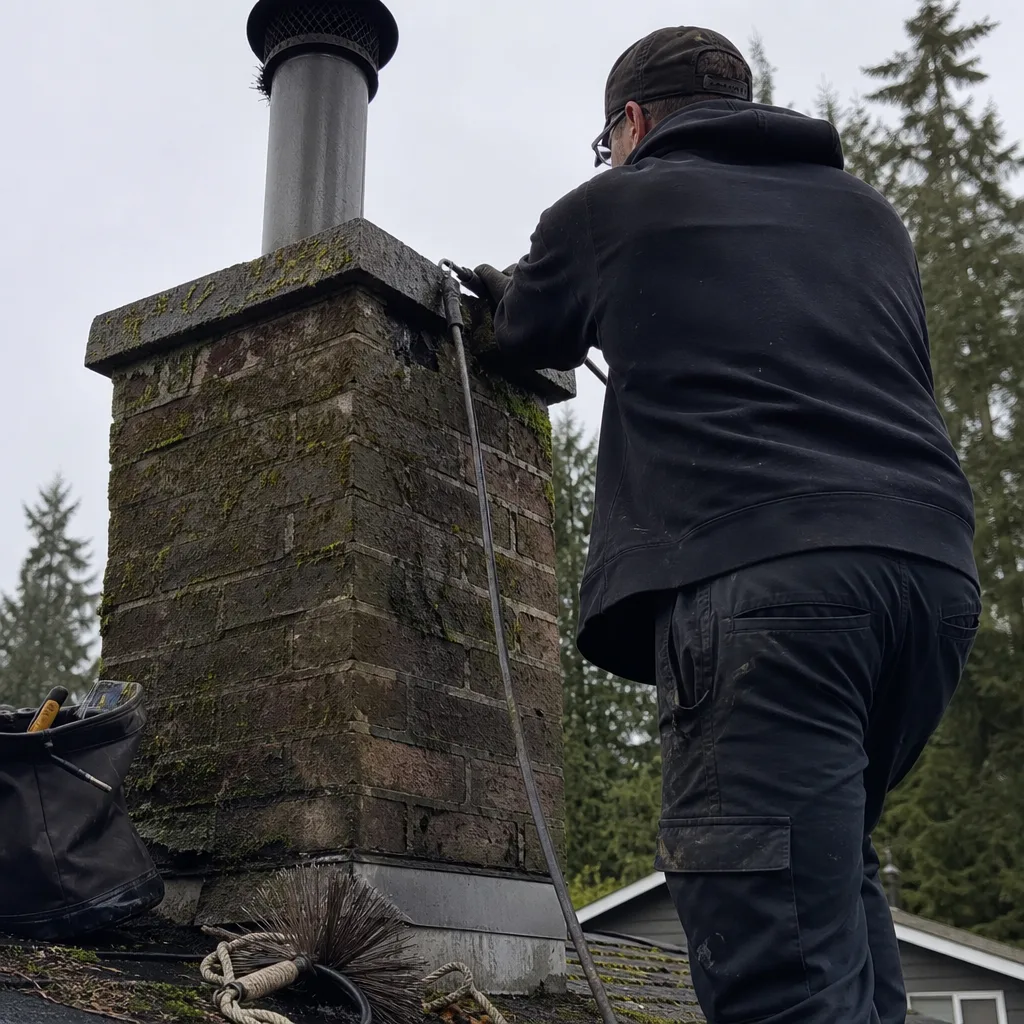 Before
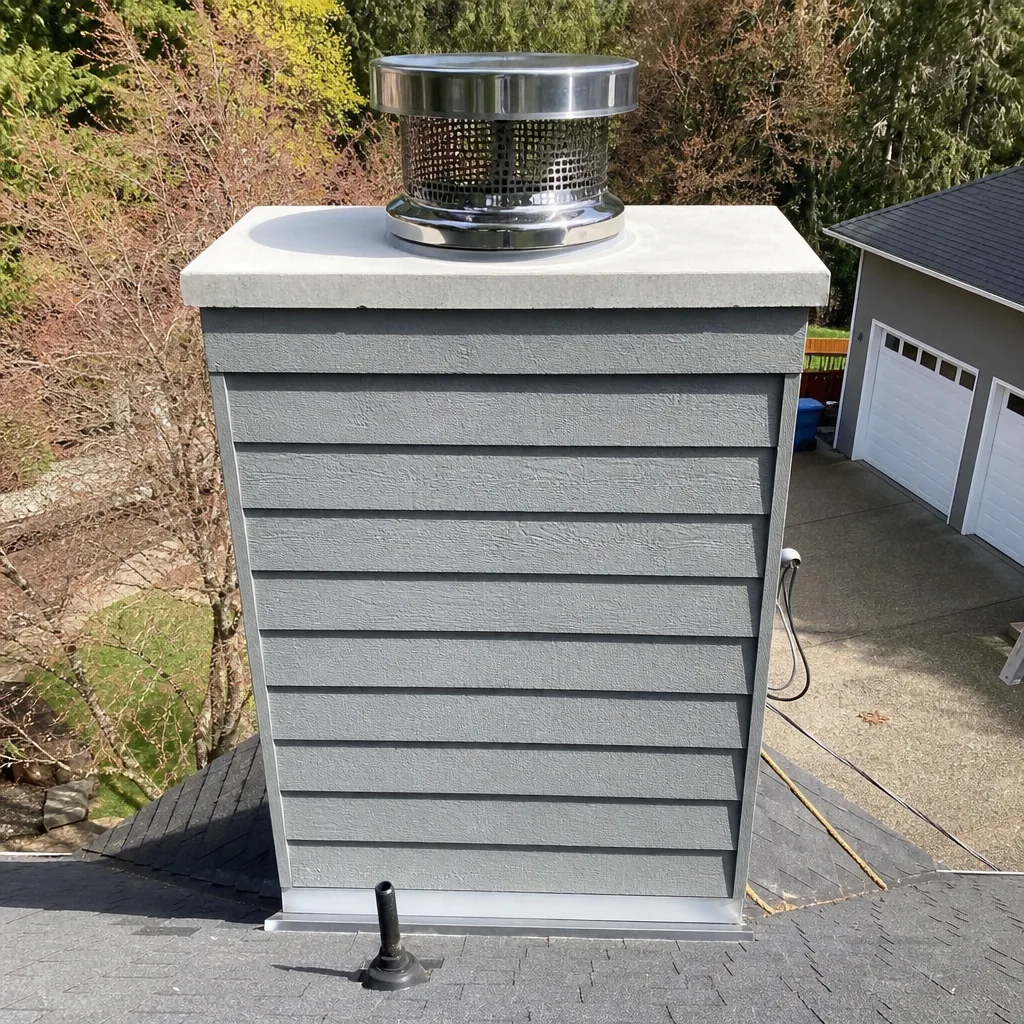 After
After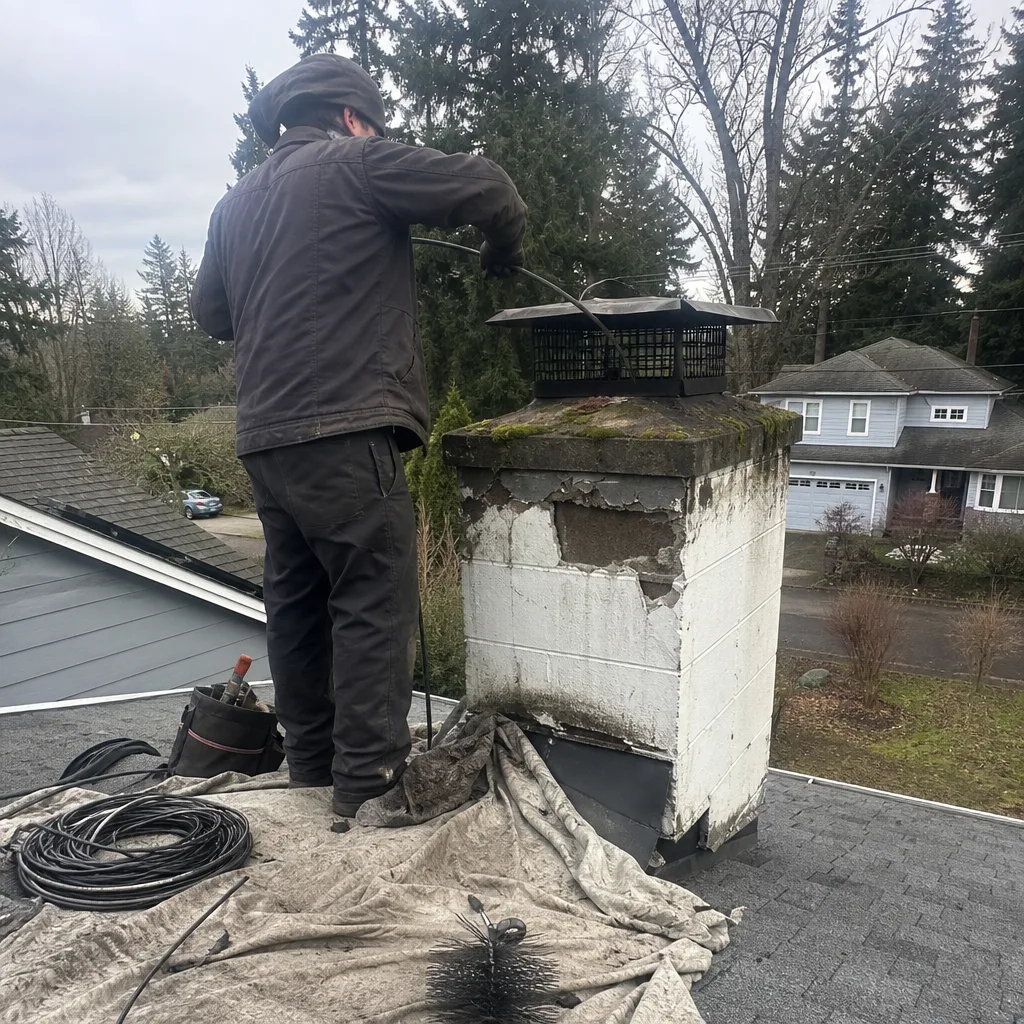 Before
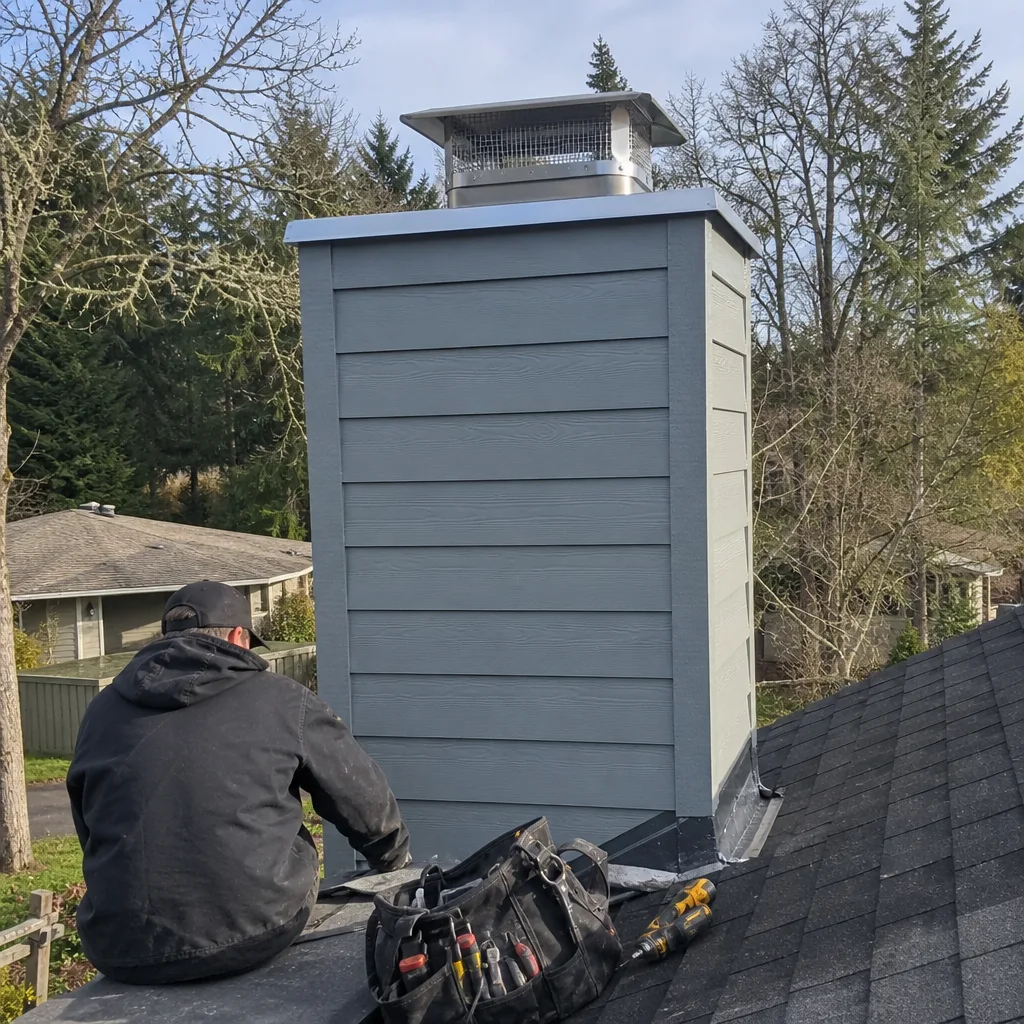 After
AfterChimney Cleaning Permits, Codes & Inspections in WA: What You Need to Know
Washington State doesn’t permit a chimney sweep. It permits a chimney rebuild. The distinction sounds bureaucratic until you file a fire-damage claim and your insurer asks for the permit number on the liner relining that was done two years ago. In Olympia, we’ve seen this scenario play out more than a dozen times since 2009 - homeowners who paid for legitimate repair work, received a handshake warranty, and later discovered their policy wouldn’t cover damage because the contractor never pulled the required Thurston County permit. This guide - alongside our Complete Guide to Chimney Cleaning in Olympia - explains exactly which chimney services trigger permitting in Washington, how NFPA 211 and the International Residential Code interact in our state, and what documentation actually protects you when something goes wrong.
Quick Answer
Chimney cleaning and routine sweeping do not require a permit anywhere in Washington State. However, liner relining, firebox reconstruction, chimney height extension, and cap replacement over 10 square feet all require a Thurston County building permit. Work done without a permit voids both the contractor’s warranty and your fire insurance coverage, and only a documented Level 2 inspection with written report satisfies Washington’s Seller Disclosure Act.
Table of Contents
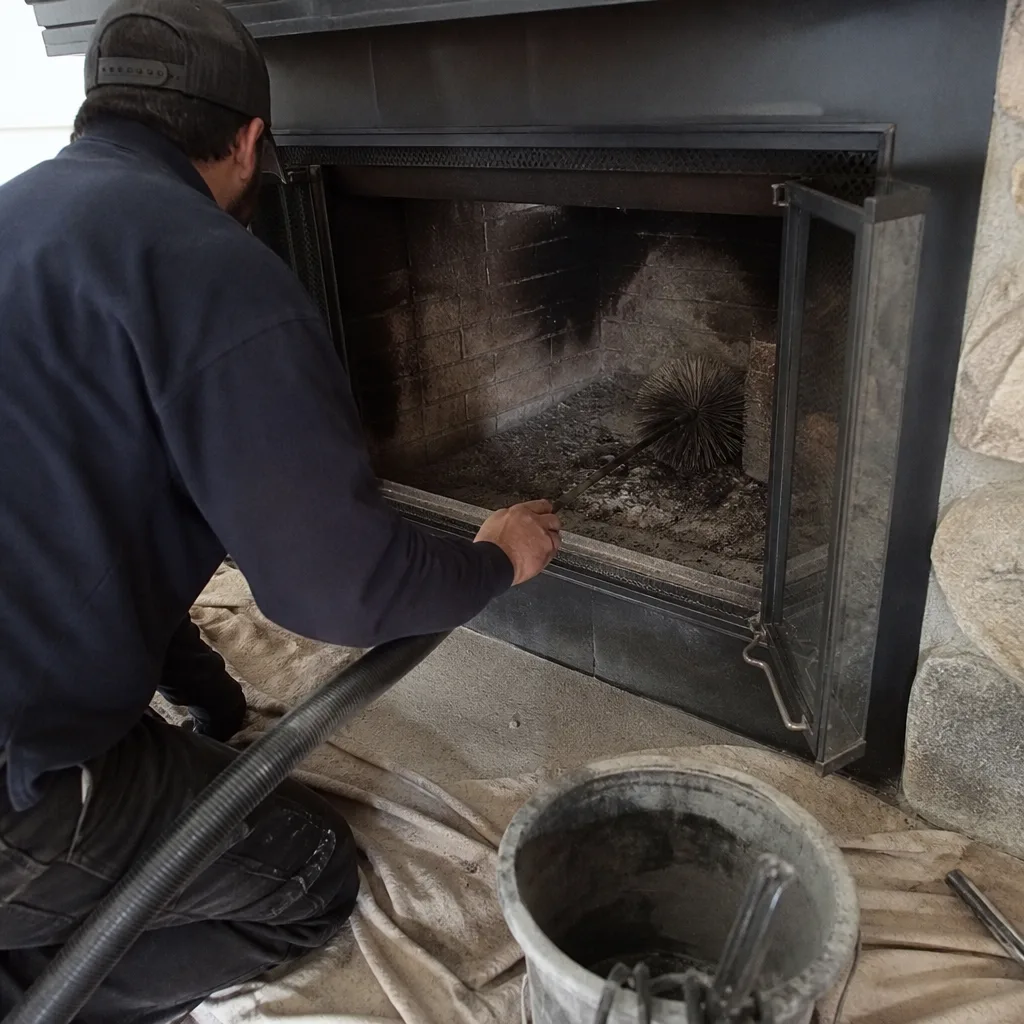
- Do You Need a Permit for Chimney Cleaning in Washington?
- Which Chimney Repairs Trigger a Thurston County Permit?
- How NFPA 211 and the IRC Overlap in Washington
- What ‘Documented Inspection’ Means to Your Insurance Carrier
- Level 2 Inspections and Washington’s Seller Disclosure Act
- Who Pulls the Permit, Who’s Liable, and How to Verify
- Common Mistakes to Avoid
- When to Call a Professional
- Frequently Asked Questions
 Before
 After
AfterDo You Need a Permit for Chimney Cleaning in Washington?
No. A standard chimney sweep - the removal of creosote, debris, and obstructions from a flue - is classified as maintenance, not construction, under Washington State building codes. No city or county in Washington requires a permit for this work, including Thurston County and Olympia.
But here’s where homeowners get caught. The sweep often reveals damage that does require repair, and those repairs frequently cross into permitted territory. In our experience across Olympia neighborhoods from Eastside to Westside, from the older masonry stacks in Bigelow Highlands to the factory-built units in newer developments near Yelm Highway, about 40% of routine sweeps uncover conditions that need permitted work.
The most common trigger is a deteriorated flue liner. When we camera-scan a flue and find cracked clay tiles, spalling (surface flaking caused by freeze-thaw cycling), or gaps between tile joints, we recommend relining. In Washington’s wet climate, water intrusion accelerates liner failure - Olympia sees roughly 50 inches of annual rainfall, and that moisture finds its way into crown cracks and mortar joints, then freezes. The resulting damage isn’t always visible from the firebox. Only a camera inspection reveals it.
Other routine findings that escalate to permits include:
- Smoke chamber parging failure - the corbelled area above the firebox, when improperly parged or deteriorated, requires reconstruction that alters the firebox envelope
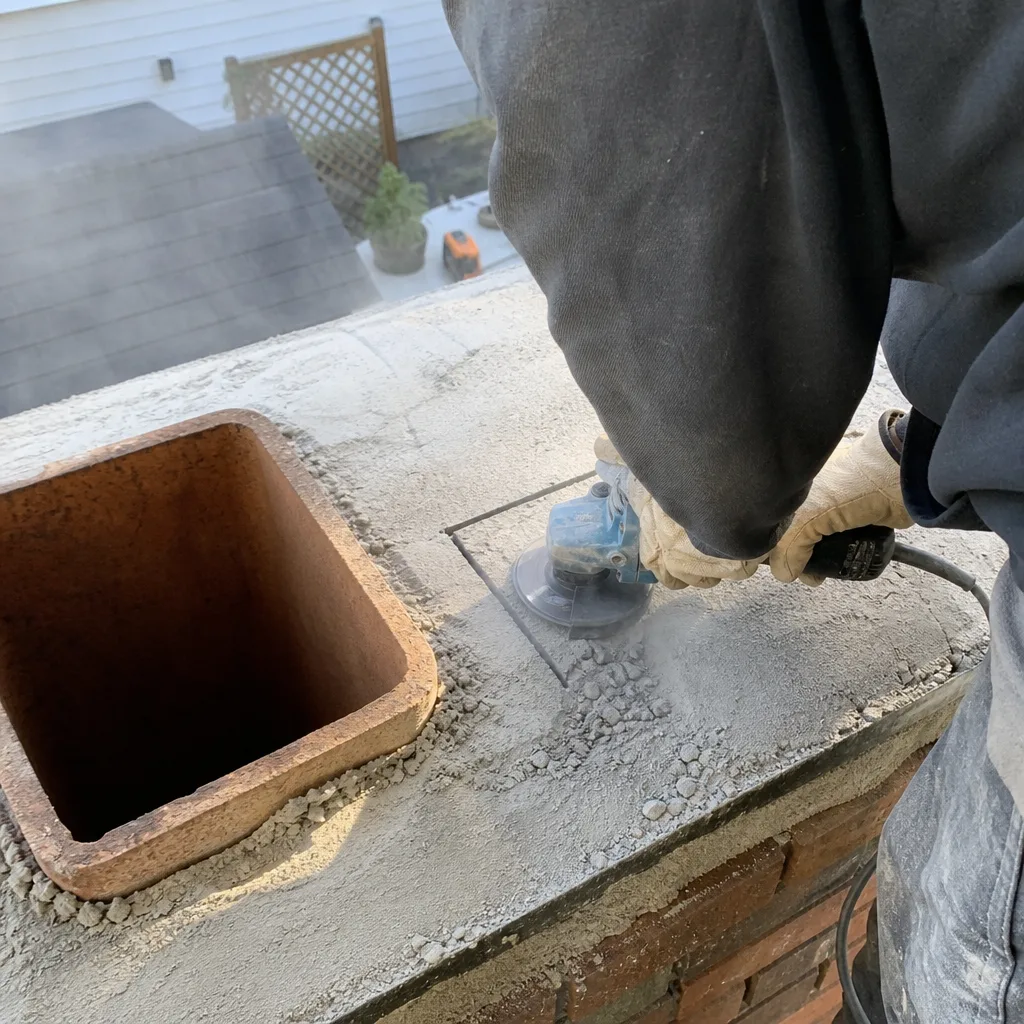
- Crown replacement - when the concrete crown is rebuilt with structural modification or over 10 square feet of surface area
- Chimney height extension - required when draft problems persist, common in Olympia’s lower-lying areas near Budd Inlet where temperature inversions affect flue performance
- Firebox refractory panel replacement - in factory-built fireplaces, panels are considered consumable, but factory-built unit modification crosses into permit territory
The critical distinction: cleaning maintains what’s there. Permits apply when you alter, replace, or reconstruct. Your sweep should tell you which category your recommended work falls into before you agree to anything.
Which Chimney Repairs Trigger a Thurston County Permit?
Thurston County Building Development Center follows the International Residential Code (IRC) as adopted by Washington State, with amendments specific to our jurisdiction. For chimney work, four categories consistently trigger permitting requirements:
1. Liner Relining
Installing a new flue liner - whether stainless steel, aluminum, or a cast-in-place system like HeatShield - requires a permit because it changes the appliance venting configuration. The IRC Chapter 10 requires that any “repair, renovation, or replacement of a chimney or vent” be permitted and inspected. In Olympia, we’ve installed DuraFlex liners in historic homes near the Capitol campus where original clay liners failed after a century of moisture cycling, and each installation required a permit pulled before work began.
2. Firebox Reconstruction
Rebuilding the firebox, including parging the smoke chamber or replacing refractory panels in a masonry fireplace, alters the fire-rated envelope. This requires both a building permit and often a mechanical permit if the appliance connection changes. The Thurston County inspector will verify clearances to combustibles, which in older Olympia homes - many built before modern codes - can be a significant issue.
3. Chimney Height Extension
Adding height to improve draft, whether by masonry extension or manufactured chimney pot installation, requires structural review. Olympia’s wind exposure varies significantly; homes on the bluffs above Puget Sound face different loading than those in the Chehalis River valley. The permit process ensures the extension meets lateral load requirements.
4. Cap or Crown Replacement Over 10 Square Feet
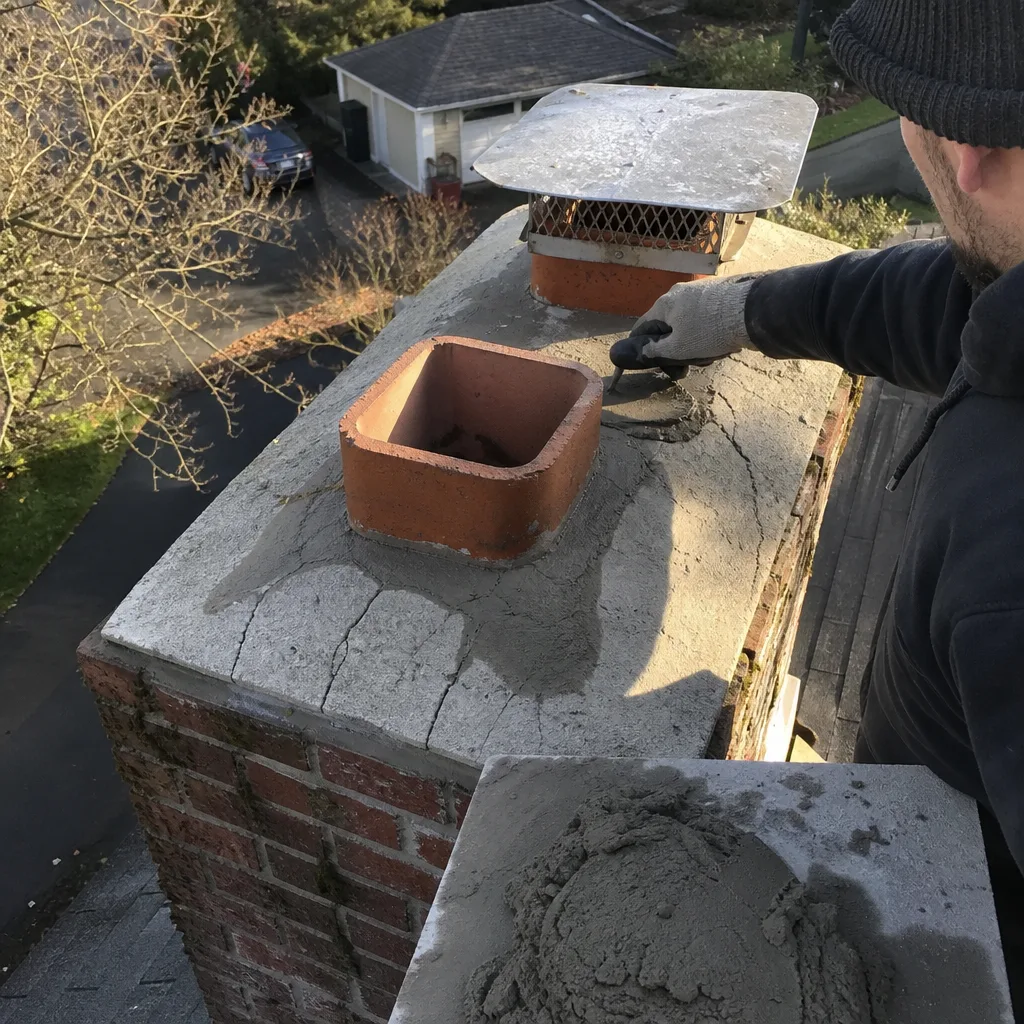
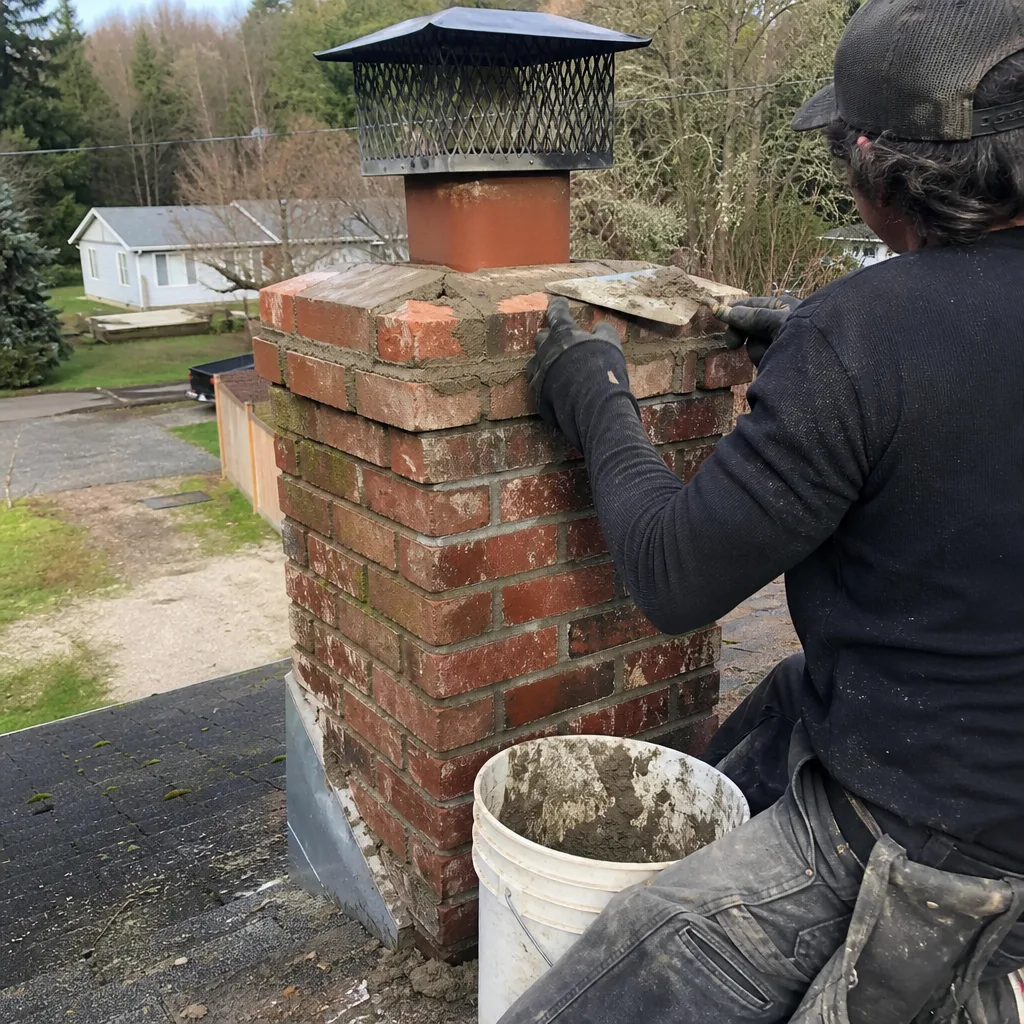
Minor cap repair is maintenance. Replacing a crown that exceeds 10 square feet, or modifying the chimney top to accommodate a new cap design, requires permitting. In practice, most masonry chimney crowns in Olympia exceed this threshold.
Here’s the permit requirement summary:
| Work Type | Permit Required? | Typical Thurston County Fee Range |
|---|---|---|
| Routine chimney sweep | No | N/A |
| Cap repair under 10 sq ft | No | N/A |
| Flue liner installation/replacement | Yes - Building | $150-$400 |
| Firebox reconstruction | Yes - Building + Mechanical | $200-$550 |
| Chimney height extension | Yes - Building | $180-$450 |
| Crown replacement over 10 sq ft | Yes - Building | $150-$350 |
| Full chimney rebuild | Yes - Building | $300-$800 |
These fees are separate from contractor labor and materials. A legitimate contractor includes permit costs in the written estimate, specifies who will pull the permit, and schedules the inspection before final payment. If your estimate doesn’t mention permitting for work in these categories, that’s a red flag.
How NFPA 211 and the IRC Overlap in Washington
Washington State adopts the IRC with state amendments, but the IRC itself references NFPA 211 (Standard for Chimneys, Fireplaces, Vents, and Solid Fuel-Burning Appliances) for technical requirements. This creates a two-layer compliance structure that confuses many homeowners - and some contractors.
Here’s how the overlap actually works in practice:
IRC Chapter 10 governs construction standards: clearances, materials, structural requirements, and the permitting process itself. It says what must be built and how it must be inspected.
NFPA 211 governs maintenance, inspection frequency, and inspection methodology. It says when to inspect, how to inspect, and what documentation the inspection produces. Section 15 specifically addresses inspection and documentation standards.
The intersection point that matters to Olympia homeowners is this: IRC requires that permitted work be inspected, but it doesn’t specify how thoroughly. NFPA 211 Section 15.2 defines three inspection levels, and only a Level 2 inspection - involving a camera scan of the flue interior, accessible portions of the chimney exterior, and the attic and basement where reachable - produces the documented record that satisfies both code compliance and insurance requirements.
In our work across Olympia since 2009, we’ve encountered homes where permitted work was inspected by a county building inspector who verified clearances and structural elements but never looked inside the flue with a camera. The work was “code compliant” by IRC standards but left a cracked liner undetected. That’s why we separate the concepts: permit inspection verifies construction. Level 2 inspection verifies system integrity. You need both.
Washington’s adoption of the IRC includes an amendment relevant to our wet climate: enhanced waterproofing requirements for chimney crowns and flashing in counties with over 40 inches of annual precipitation. Thurston County qualifies. This means crown work in Olympia must meet stricter material and slope standards than identical work in drier eastern Washington jurisdictions.
What ‘Documented Inspection’ Means to Your Insurance Carrier
When your insurance company uses the term “documented inspection,” they’re not asking for a verbal summary or a checklist with checkmarks. They’re asking for evidence that can be reproduced, reviewed, and defended - particularly after a loss.
We’ve reviewed hundreds of insurance claims and policy documents in our work with Olympia homeowners. The pattern is consistent. After a chimney fire or carbon monoxide incident, the adjuster requests:
- The date of the most recent professional inspection
- The name and credentials of the inspector
- The scope of inspection performed (Level 1, 2, or 3 under NFPA 211)
- Written findings, including photo or video documentation
- Any recommended repairs and whether they were completed
- Permit numbers for any repair work performed
A verbal “your chimney looks fine” from a sweep who spent ten minutes with a flashlight doesn’t satisfy item 4. A handwritten carbon copy with “cleaned and inspected” stamped on it doesn’t satisfy item 3. Only a Level 2 inspection with dated photo documentation meets the standard that insurance carriers actually apply when they’re deciding whether to pay a claim.
This distinction became critical for an Olympia homeowner in the Governor Stevens neighborhood in 2019. They had a chimney fire three months after a “cleaning and inspection” from a company that provided no written report. The insurer denied the claim, citing lack of documentation that the chimney was in safe condition before the fire. The homeowner had paid for a service that provided no protective value.
Under Chimney Cleaning & Sweep in Olympia, our standard practice since 2009 - codified as Clause 4 of the Haven Standard - requires a documented photo record on every visit. Not as an upgrade. Not as an option. Every customer receives dated, labeled images of their flue condition, with written interpretation of what those images show and what action they require.
For insurance purposes, this creates a defensible timeline. For the homeowner, it creates informed consent - you see what we see, and you decide based on evidence rather than trust.
Level 2 Inspections and Washington’s Seller Disclosure Act
Washington’s Seller Disclosure Act (RCW 64.06) requires sellers to disclose material facts affecting the property’s value or desirability. This includes “the condition of the structure and its systems.” A chimney is a structural system. A damaged or unsafe chimney is a material fact.
The Act doesn’t explicitly require a professional inspection. But it creates liability. If the seller knew or should have known of a defect and failed to disclose it, the buyer has recourse. The question becomes: what constitutes knowledge?
A written Level 2 inspection report from a qualified chimney professional serves as the clearest, most defensible evidence of what the seller actually knew. It dates the condition. It documents the scope of examination. It provides photographic proof that can be reviewed by third parties. In our experience assisting Olympia real estate transactions, a Level 2 report has resolved more disclosure disputes than any other single document.
The typical scenario plays out like this. A homeowner in Olympia’s Carlyon Beach area lists their property. The buyer’s inspector notes “recommend chimney evaluation by specialist.” The seller produces a Level 2 report from six months prior showing a cracked liner with recommendation for relining. The seller disclosed the report in their disclosure packet. The buyer proceeds with eyes open, either negotiating repair or accepting the condition. No lawsuit, no surprise, no claim.
Without that report, the seller faces a harder question: did they know? Did they have reason to know? A history of smoking fireplaces, a previous sweep’s verbal warning, a neighbor’s comment about their own liner failure - any of these can be construed as constructive knowledge in litigation.
For buyers, requesting a Level 2 inspection report as part of due diligence is increasingly standard in Olympia’s competitive market. For sellers, obtaining one before listing - particularly for homes built before 1990, when clay liner standards were less consistent - is a protective investment. The inspection cost, typically $200-$350 in the Olympia market, is trivial compared to post-sale liability exposure.
We’ve provided these pre-listing inspections across Olympia, from the historic homes in South Capitol to mid-century properties in Indian Creek. In every case, the written report with photo documentation gave the seller a defensible position and the buyer confidence in their decision.
Who Pulls the Permit, Who’s Liable, and How to Verify
This is where homeowners most often get hurt. They assume the contractor handles everything. They pay in full. They never see a permit card. Two years later, they need that permit number, and it doesn’t exist.
Here’s the actual process, and your responsibilities at each step:
Step 1: The Written Estimate Specifies Permit Responsibility
Before any work begins, your estimate should state clearly who pulls the permit and who pays the fee. At Level Two Chimney Olympia, our written estimates include this as standard - Haven Standard Clause 1 requires “Have it in writing,” and permit responsibility is part of that written scope. For a full maintenance overview, see our Chimney Cleaning & Sweep Maintenance Checklist for Olympia Homeowners. If your estimate is silent on permitting, ask directly. Get the answer in writing.
Step 2: Verify the Permit Exists Before Work Starts
In Thurston County, you can verify permit status through the Thurston County Building Development Center online portal or by phone. You’ll need the property address. A legitimate contractor has no objection to you verifying; we encourage it. The permit should be in “issued” status before crews arrive.
Step 3: Confirm Inspection Scheduling
Permitted work requires inspection at specific stages. For liner installation, typically a rough inspection before closure and a final inspection after completion. The contractor schedules these. You should receive confirmation that inspection has been requested and passed before final payment.
Step 4: Obtain Final Documentation
After final inspection, Thurston County issues an inspection record. You want a copy. This is your proof that work was completed to code. Store it with your home records, alongside your Level 2 inspection report and any warranty documents.
Liability for unpermitted work falls primarily on the contractor, but the consequences hit the homeowner. If a fire occurs and investigation reveals unpermitted liner work, the insurer may deny coverage regardless of whether the unpermitted work caused the fire. The policy language typically excludes “work performed in violation of applicable building codes.” No permit equals violation.
We’ve been called to Chimney Repair in Olympia jobs where previous work was done without permits. In one case on Cooper Point Road, a homeowner had paid $4,200 for liner work that was never permitted. The liner was installed correctly - good materials, proper sizing - but without the permit, it was uninsurable. We helped them navigate the retroactive permitting process, which cost additional fees and required partial disassembly for inspection. The original contractor was unresponsive. The homeowner bore the burden.
Your protection is procedural: written estimate mentioning permits, verification before work starts, confirmation of inspection, and retention of final documentation. No shortcuts.
Common Mistakes to Avoid
- Assuming “licensed and bonded” means permits are handled. Contractor licensing and permit pulling are separate processes. Verify the specific permit for your specific job.
- Accepting “we’ll pull it after” or “the permit is in process.” Work should not begin on permitted categories until the permit is issued. “In process” is not issued.
- Paying in full before final inspection. Standard practice holds 10-15% until permit final is achieved. This gives you leverage to ensure inspection actually occurs.
- Trusting verbal inspection summaries for insurance or disclosure purposes. Only written, dated, photo-documented reports satisfy insurance carriers and legal standards.
- Ignoring Olympia’s wet-climate maintenance needs. Our 50-inch annual rainfall and freeze-thaw cycles accelerate liner and crown deterioration. Annual inspection is not excessive here; it’s appropriate.
- Hiring based on lowest price without verifying inspection inclusion. A sweep that doesn’t include camera inspection misses conditions that permitted repair would address. The cheap sweep becomes expensive when damage progresses.
- Discarding documentation. Keep inspection reports, permits, and warranties for the duration of home ownership. Digital storage is fine; disappearance is not.
When to Call a Professional
Call a qualified chimney professional when: your fireplace smokes into the room, you see visible cracks in the firebox or exterior masonry, you notice water staining on walls or ceilings near the chimney, you’ve had a chimney fire or significant flue event, you’re buying or selling a home, or it’s been more than 12 months since your last Level 2 inspection. In Olympia’s climate, annual inspection is the prudent interval for wood-burning systems; gas systems can typically extend to biennial unless symptoms appear.
Level Two Chimney Olympia offers free estimates in Olympia - call (360) 464-2015. Every estimate is written, includes scope and pricing before any work begins, and specifies permit requirements for recommended repairs. Our background-checked, uniformed technicians arrive with license information, and you’ll receive a text when they’re on the way. The camera inspection and documented photo record are included on every visit, as they have been since 2009.
Frequently Asked Questions
A standard chimney sweep in the Olympia market typically runs $180-$280 for a single flue, with Level 2 camera inspection included. Multi-flue systems, significant creosote buildup (Class III glazed creosote), or accessibility complications may extend to $340-$420. We provide a written price before any work starts - no exceptions, no surprises. Call (360) 464-2015 for an exact quote; estimates are free.
You need a new liner when camera inspection reveals cracked tiles, gaps between joints, spalling surfaces, or corrosion in metal liners that compromise containment of combustion gases. You can wait when the liner shows only surface staining or minor deterioration that doesn’t penetrate the material thickness, with no evidence of gas leakage. We show you the camera footage and explain which category your liner falls into. Some conditions allow monitored deferral; others require immediate action for safety. Call (360) 464-2015 and we’ll walk you through what we found.
NFPA 211 recommends annual inspection for all chimneys, with cleaning frequency determined by use and fuel type. In Olympia’s wet climate, we recommend annual inspection for all systems, with sweeping as needed based on creosote accumulation. Wood-burning systems used as primary heat typically need annual sweeping; occasional-use fireplaces may extend to every two years if inspection shows minimal buildup. Gas systems require annual inspection but less frequent cleaning. The 50 inches of annual rainfall in our region accelerates exterior deterioration, making the inspection component particularly important.
Skipped maintenance leads to creosote accumulation, which increases chimney fire risk - Class III glazed creosote ignites at approximately 451°F and burns at over 2,000°F, damaging liners and surrounding structure. In Olympia’s moisture-rich environment, skipped inspection also means undetected water intrusion, which causes liner spalling, crown deterioration, and eventually structural damage to framing and interior finishes. Carbon monoxide exposure risk rises when liners fail or connections deteriorate. These outcomes are progressive and largely preventable with scheduled inspection and prompt repair of identified conditions.
Yes, Washington allows homeowners to pull their own permits as owner-builders. However, you then assume full responsibility for code compliance and inspection passage. Most homeowners lack the technical knowledge to specify liner sizing, clearance requirements, and appliance compatibility that inspectors verify. We recommend allowing your qualified contractor to pull permits - it’s included in our standard process, and the liability stays where the expertise resides. If a contractor resists pulling permits, that’s a signal to find a different contractor.
Generally no. General home inspectors in Washington are not required to perform Level 2 chimney inspections and typically disclaim chimney interiors beyond visible portions. Their reports often contain language like “recommend evaluation by chimney specialist.” This doesn’t satisfy disclosure of known conditions; it defers it. A Level 2 inspection by a certified chimney professional with written, photo-documented findings provides the specific, defensible evidence that RCW 64.06 envisions. For Olympia sellers, we recommend obtaining this before listing, particularly for pre-1990 construction.
The Bottom Line
Chimney cleaning itself is permit-free maintenance, but the repairs it frequently reveals are not. In Washington, four categories of chimney work - liner relining, firebox reconstruction, height extension, and substantial crown replacement - require Thurston County permits. Work done without them voids warranties and insurance coverage. The protection you need comes from documented, written, photo-evidenced inspection (NFPA 211 Level 2), clear written estimates that specify permit responsibility, and verification that inspection occurred before final payment. For Olympia homeowners, our wet climate makes annual inspection a practical necessity, not an optional service. The documentation you gather today defends against the claim denial or disclosure dispute you didn’t anticipate.
Written by Corrine Halstead, Owner at Level Two Chimney Olympia, serving Olympia since 2009.