
Last updated September 21, 2026
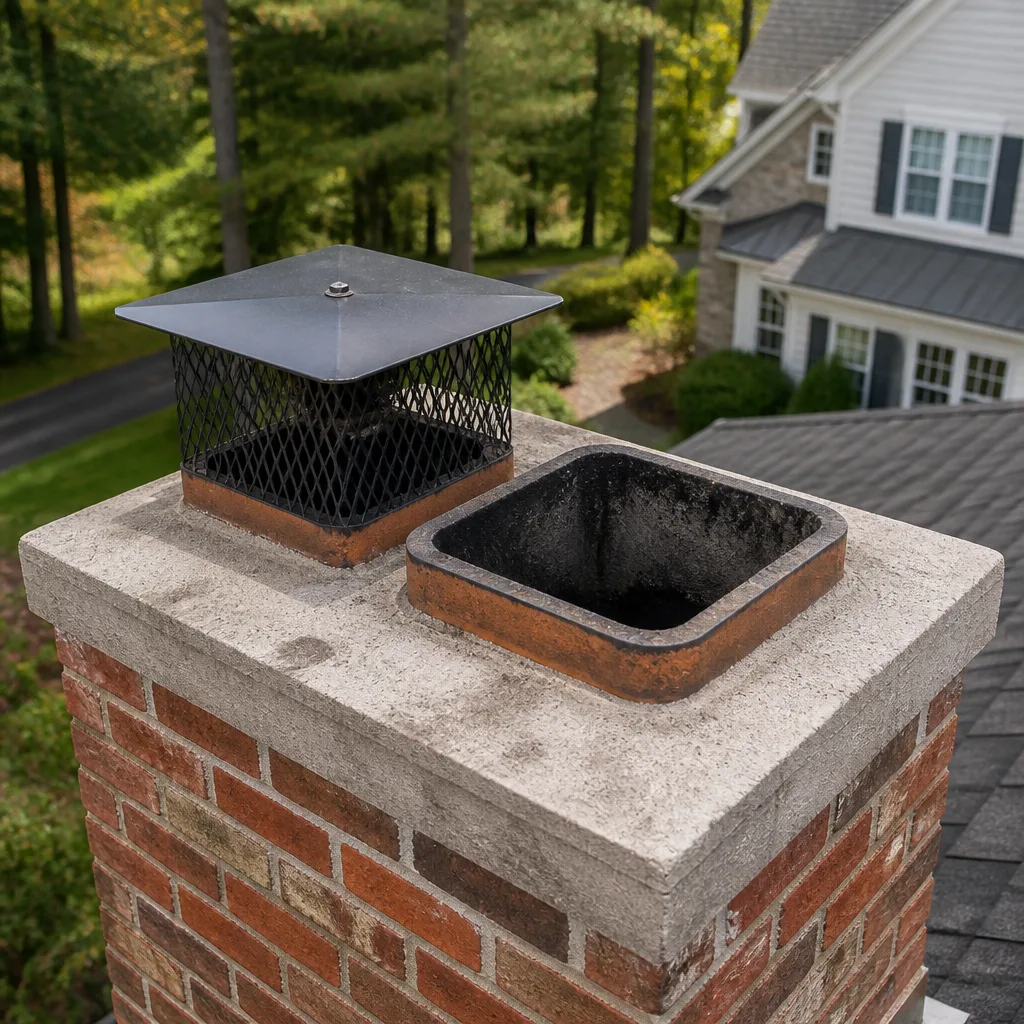
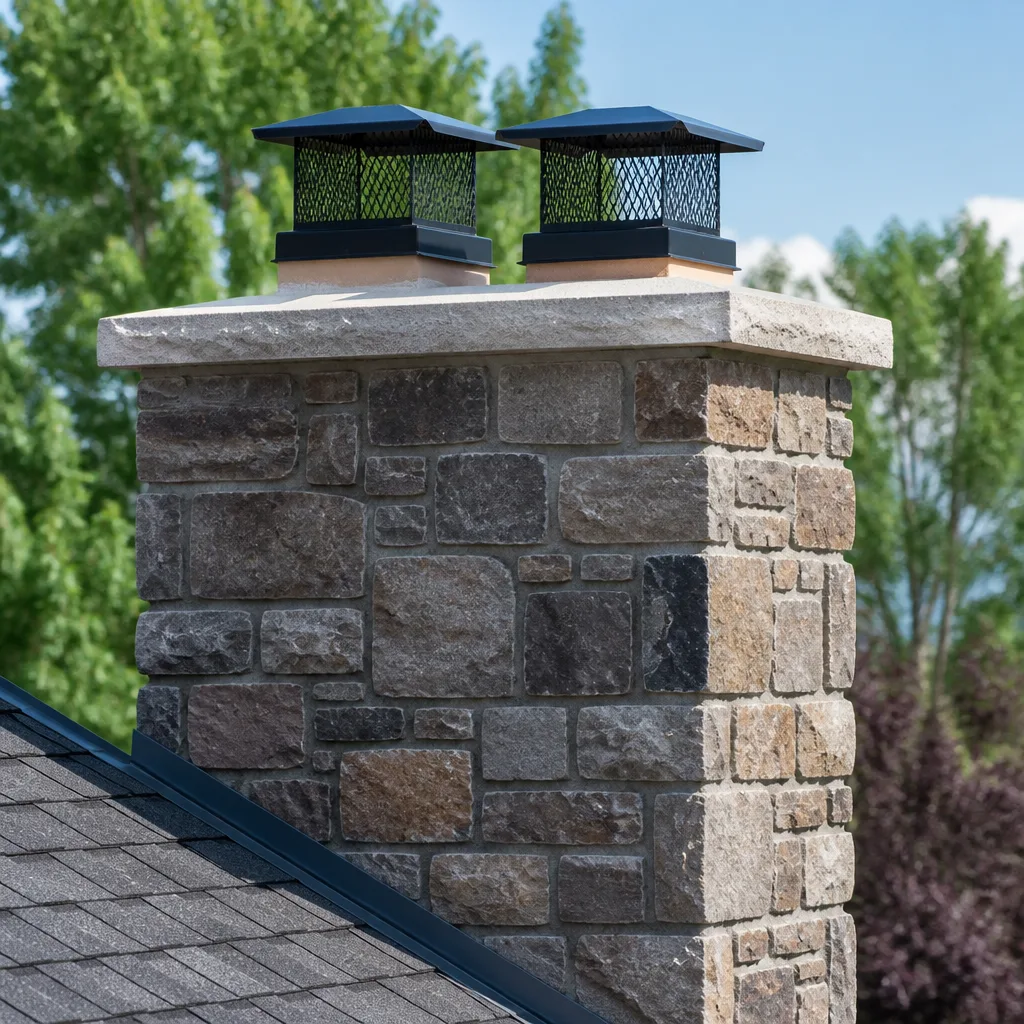
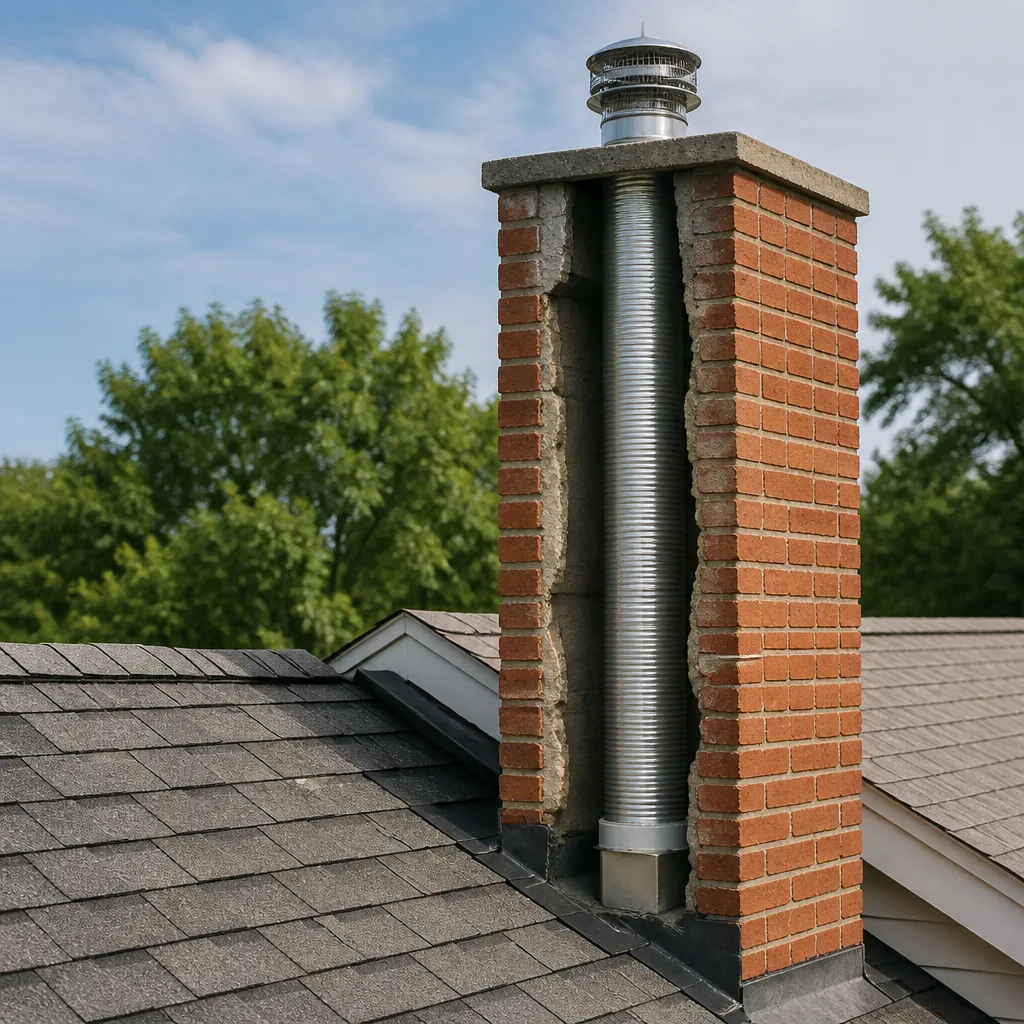
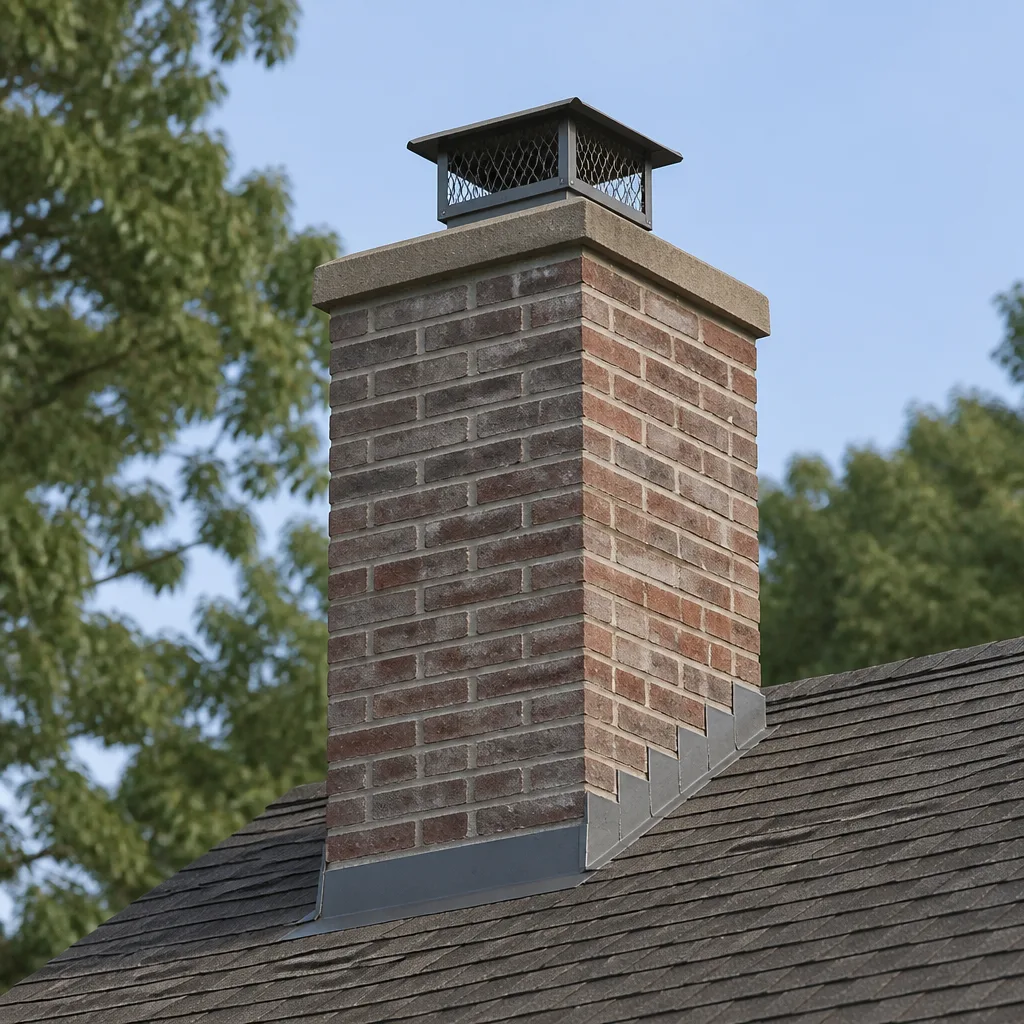
Level 1 sweep and inspection to the NFPA 211 annual standard - flue, crown, cap, and flashing checked and photographed
Chimney sweep logs do not sweep chimneys. They loosen some creosote - which then falls where a brush and vacuum still have to collect it.
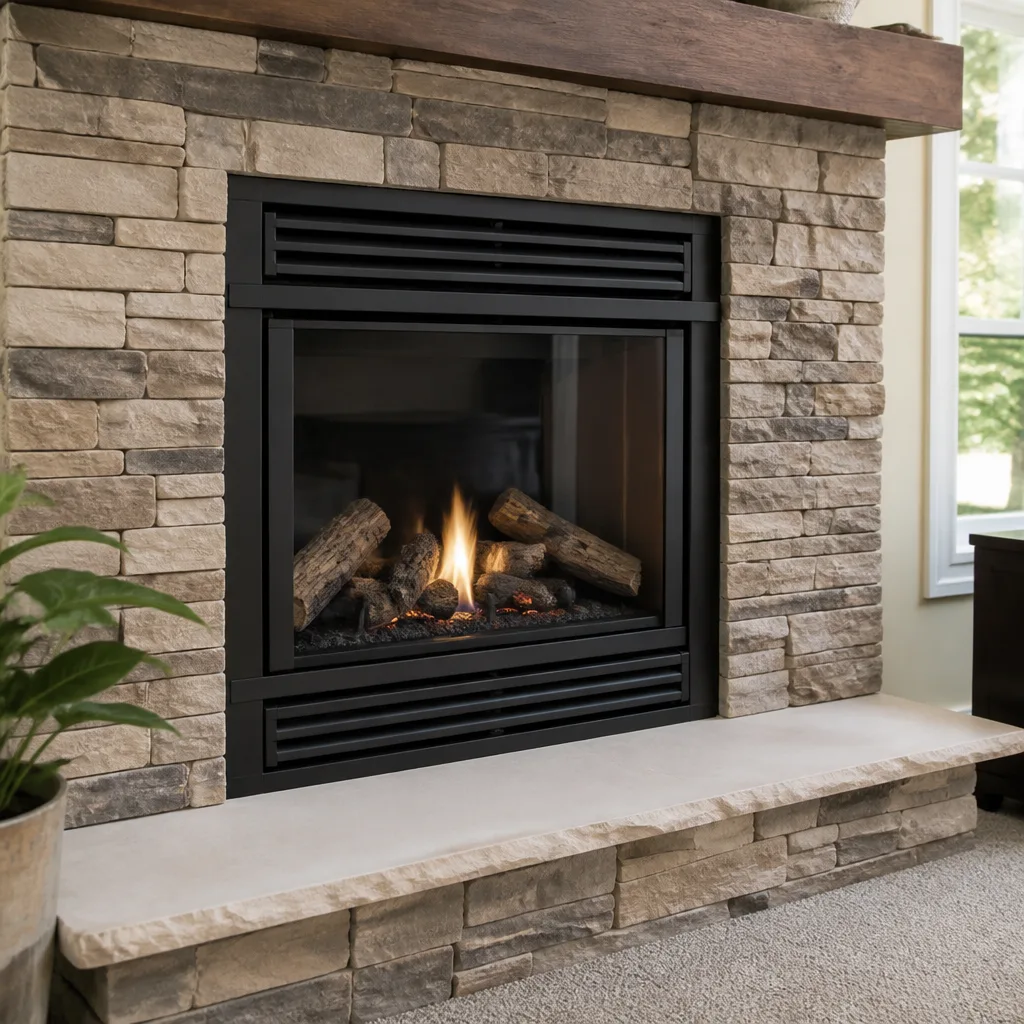
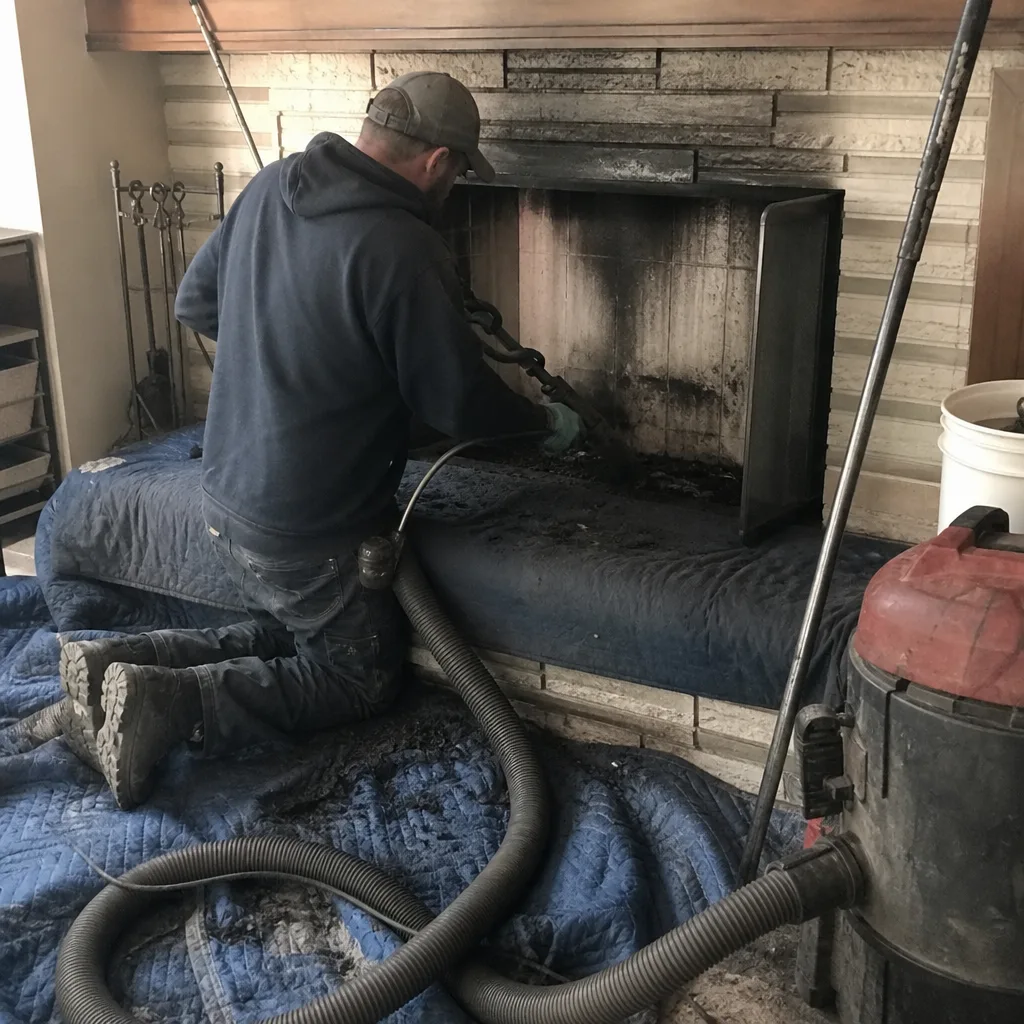 Before
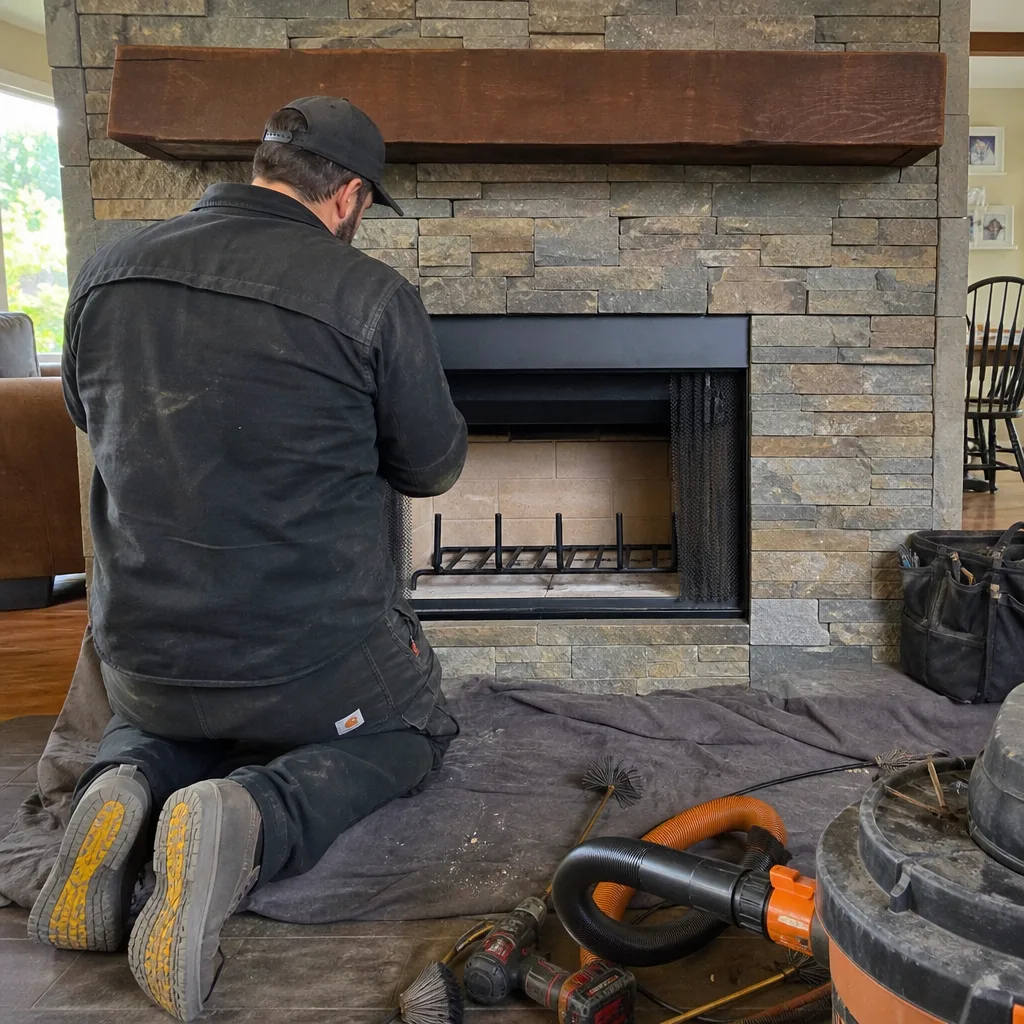 After
After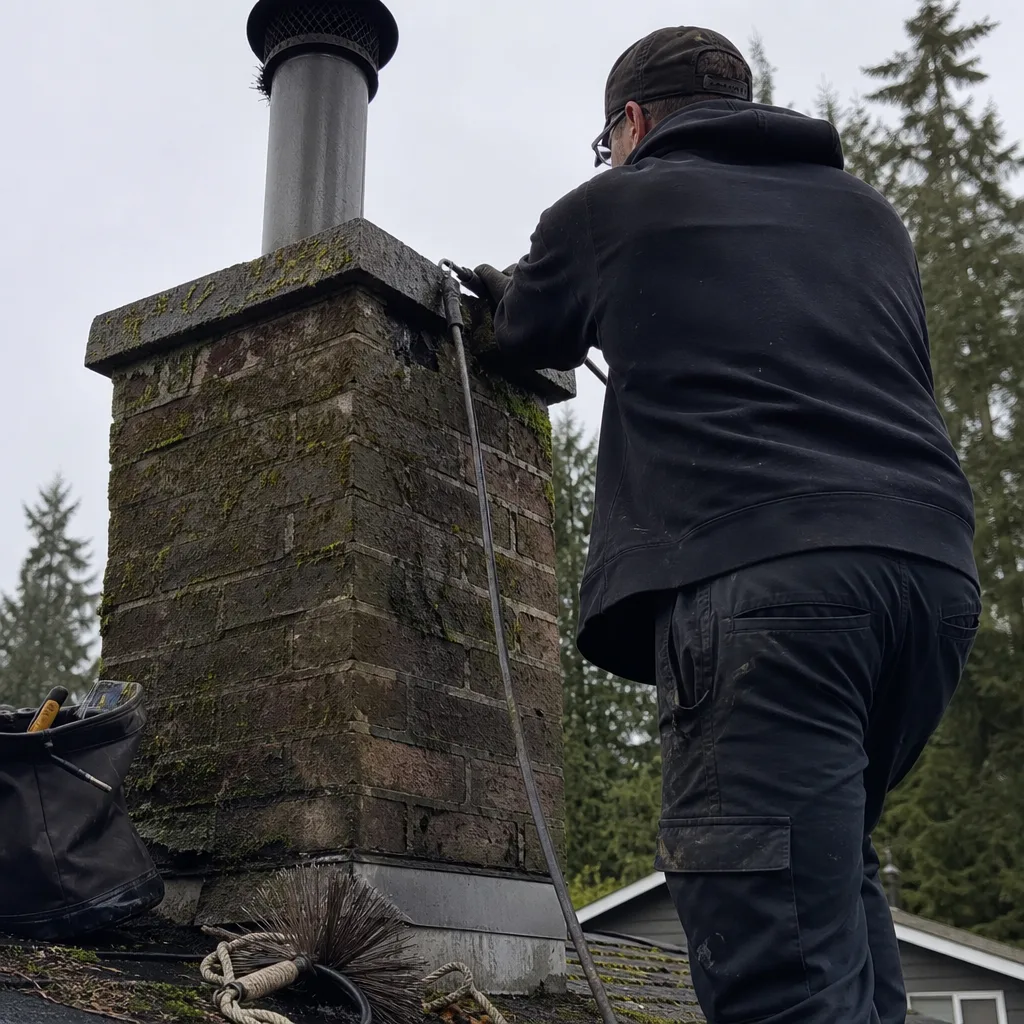 Before
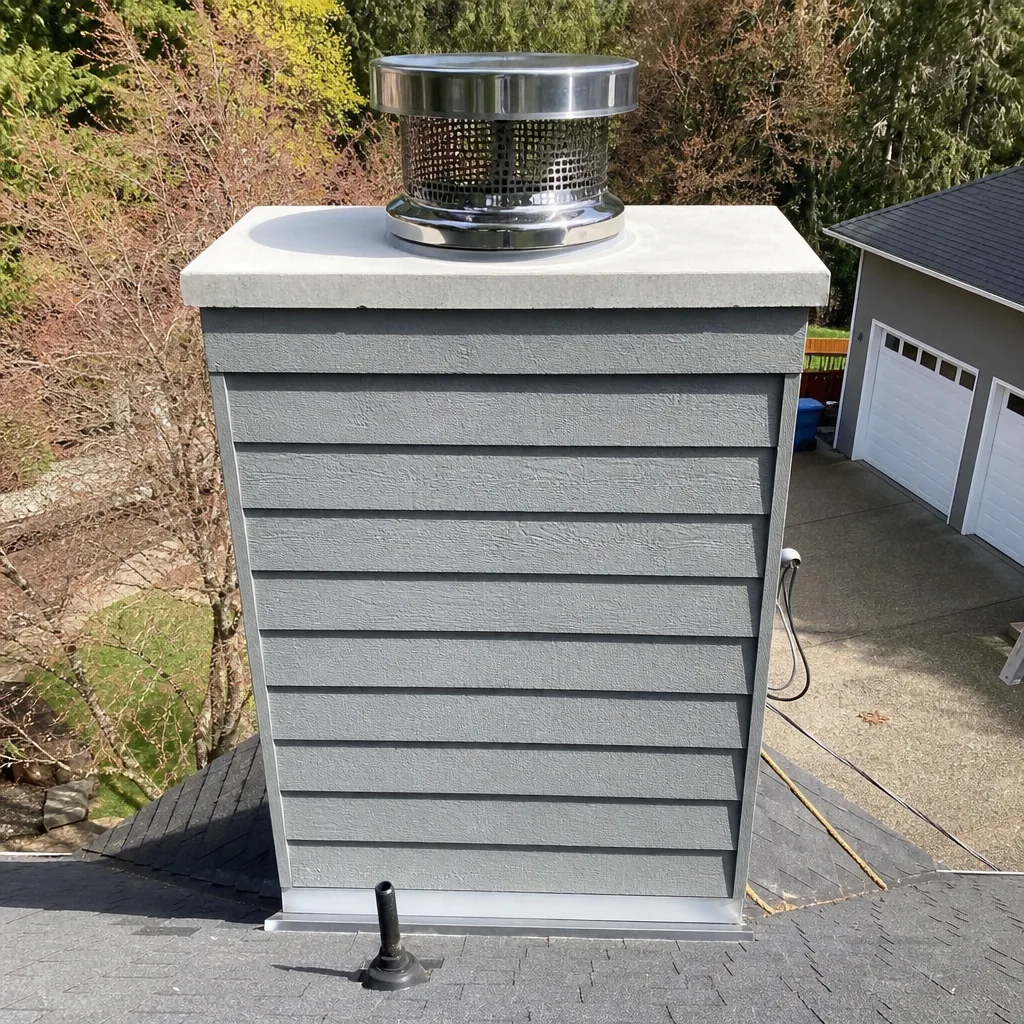 After
After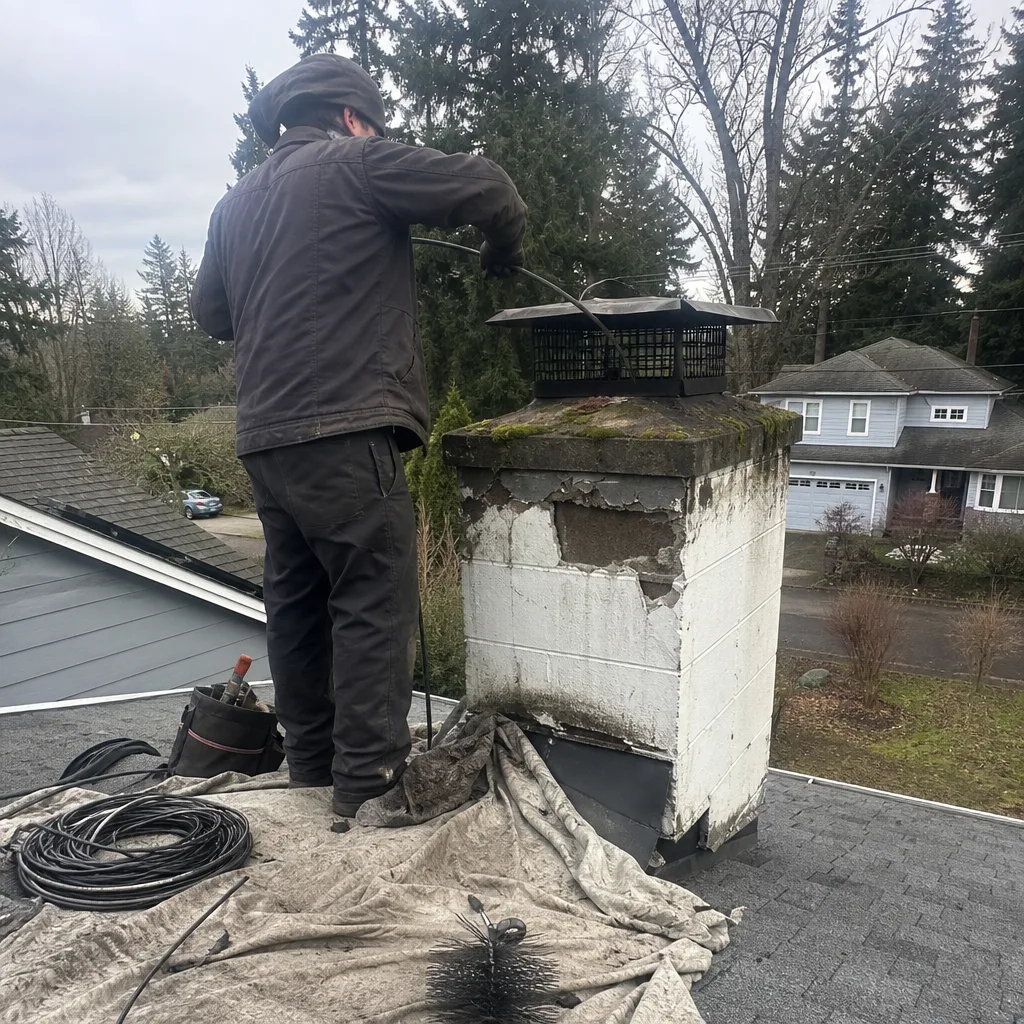 Before
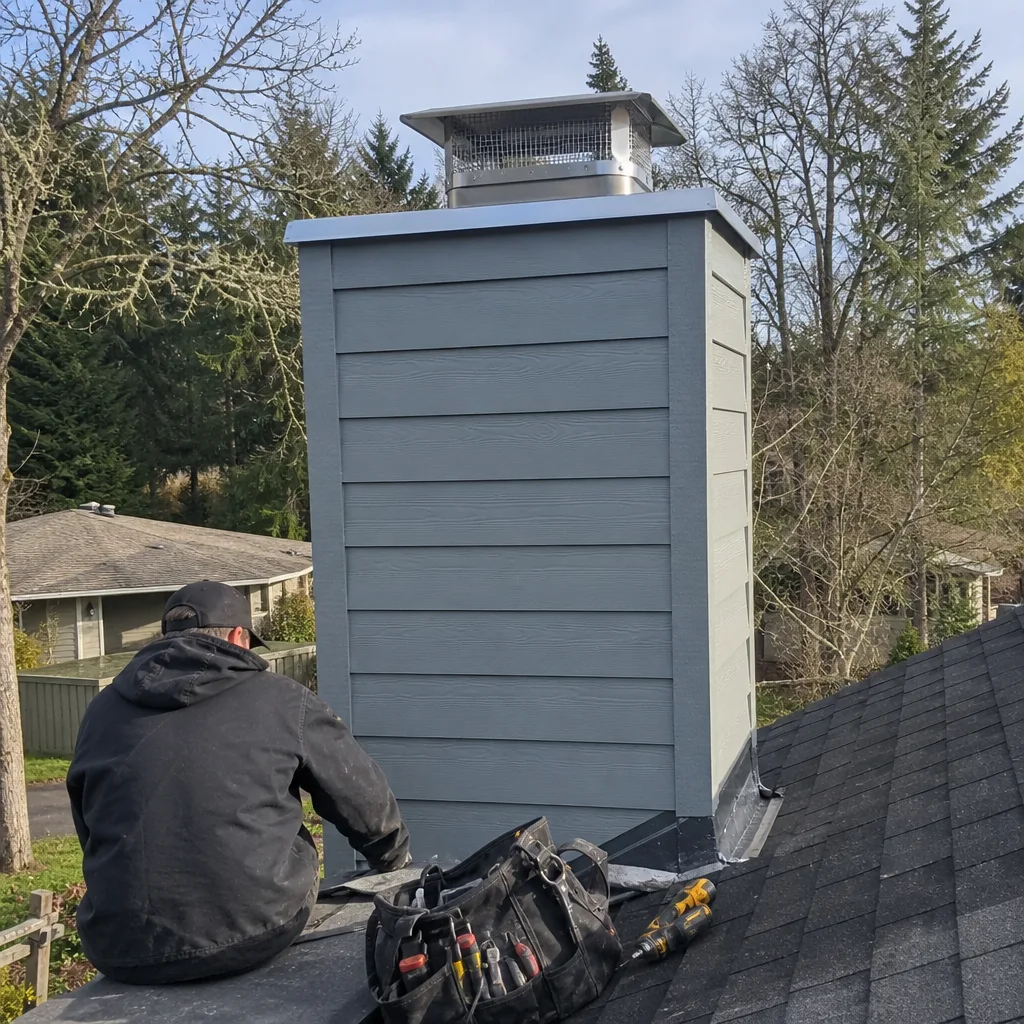 After
AfterThe Complete Guide to Chimney Cleaning in Olympia
Olympia averages 51 inches of rain per year - more than Seattle. That moisture doesn’t stay outside. It migrates into mortar joints, liner gaps, and firebox brick, then gets sealed in by the first fires of October. Most homeowners here treat chimney cleaning as a single annual chore, but the Puget Sound climate creates a specific chain of conditions - sustained moisture, softwood creosote, and long heating seasons - that makes documentation and timing matter far more than a quick brush-and-vacuum. In this guide, we’ll explain what chimney cleaning actually accomplishes in Olympia’s environment, how to read the report you should receive, and why the inspection method matters as much as the sweep itself. For more guides & resources, see our full blog.
Quick Answer
Chimney cleaning in Olympia typically costs $189-$289 for a standard sweep with Level 2 camera inspection, and should be scheduled before the October fire season begins. A proper cleaning removes combustible creosote deposits from the flue liner and smoke chamber, documents liner condition with photos for insurance records, and provides a written scope and warranty - not just a verbal “all clear.” In Olympia’s wet climate, the visit that skips camera documentation cannot verify moisture damage that accelerates between annual sweeps. See our Seasonal Chimney Cleaning Care for Olympia: Year-Round Homeowner’s Guide for timing strategies.
Table of Contents
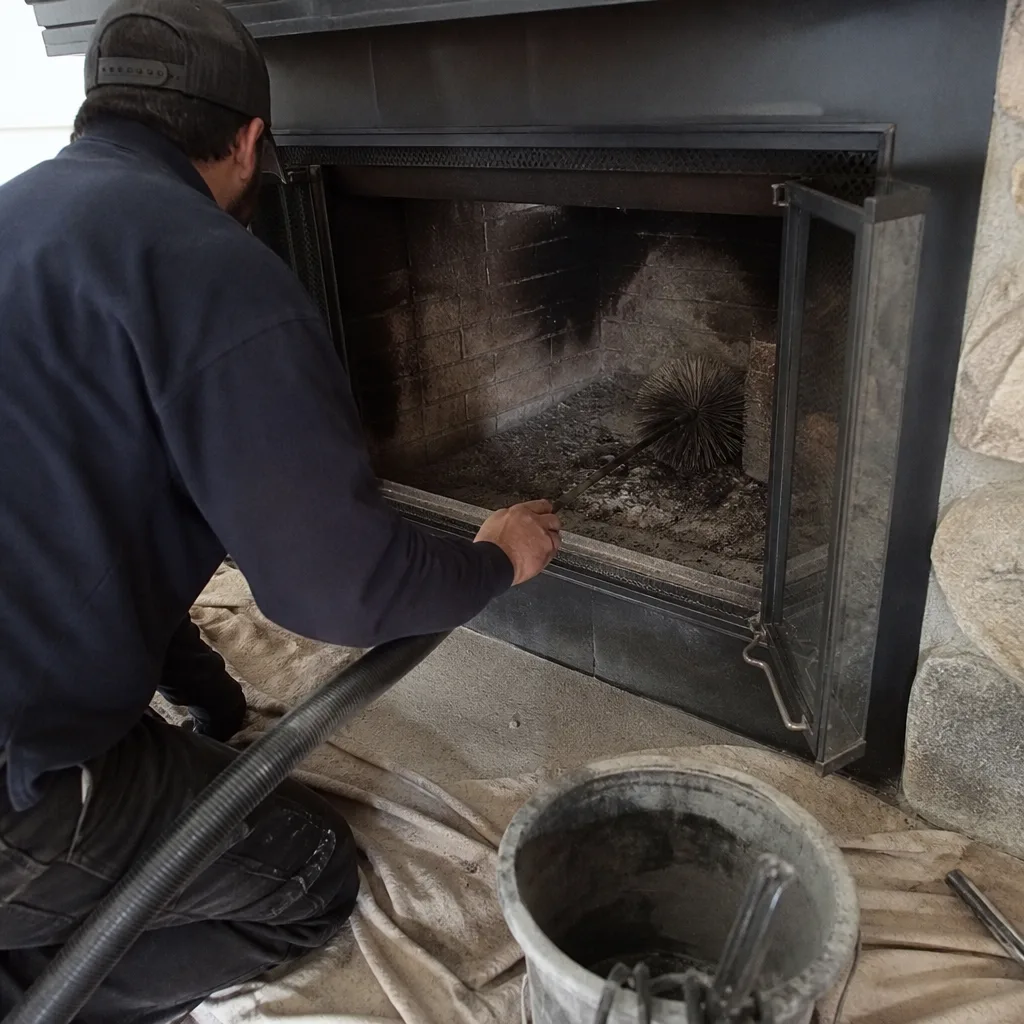
- How Olympia’s Rain and Firewood Culture Change What “Clean” Means
- NFPA 211 Level 1 vs. Level 2: What Insurance Actually Requires
- Why Western Washington Softwoods Produce Stage 2 Creosote Faster
- How to Read a Written Chimney Cleaning Report
- When to Schedule: The August Baseline Strategy
- Chimney Cleaning Costs in Olympia
- What “Clean” Means by NFPA 211 Standard
- Chimney Cleaning as a Documented Maintenance Chain
 Before
 After
AfterHow Olympia’s Rain and Firewood Culture Change What “Clean” Means
The standard national advice for chimney cleaning assumes a drier continental climate and hardwood fuel. Olympia operates under different rules. Our 51-inch annual rainfall, combined with heating seasons that stretch from October into April or May, means chimneys here experience prolonged thermal cycling: wet, cool, then suddenly hot when the first fire lights.
That thermal shock opens hairline cracks in flue tile and mortar joints that a dry-climate sweep might never encounter. We’ve inspected chimneys in the Governor Stevens neighborhood where water infiltration had degraded the smoke chamber parging so thoroughly that the surface resembled crumb cake - but a brush-only cleaning without camera access would have left it completely undocumented.
Olympia’s firewood supply reinforces the moisture problem. Most local cordwood is Douglas fir, western red cedar, and red alder - softwoods that burn faster and cooler than oak or maple when not properly seasoned. Cooler flue temperatures mean more incomplete combustion, which deposits creosote at higher rates. The chimney that was “fine” last March may carry significantly more deposit load by November, especially if the homeowner burned through a wet winter with marginal wood.
Here’s what this means practically:
- Moisture documentation matters: A cleaning visit should record water staining, efflorescence (white mineral deposits), and spalling (flaking brick surface) with dated photos, not just note them verbally.
- Seasonal baselines help: The August inspection establishes pre-heating-season condition. Comparing it to the post-season April visit shows whether moisture intrusion accelerated during active use.
- Liner gap measurement: Thermal expansion from wet-cold to hot-dry cycling can widen existing liner gaps. Camera documentation captures this in millimeters, not estimates.
In our experience across Olympia’s older neighborhoods - particularly around the Bigelow Highlands and Eastside areas where 1940s-1970s construction dominates - chimneys with original clay tile liners show the most dramatic seasonal change. The gap that measured 3mm in August often measures 5-6mm by April, enough to change the repair recommendation from “monitor” to “reline.”
We’ve completed more than 38,000 chimney inspections and cleanings since 2009, every one with a written price before work started and a documented record when it was done. That archive - Clause 4 of the Haven Standard - lets us show homeowners in Olympia exactly how their chimney changed year over year, not just tell them it needs work.
NFPA 211 Level 1 vs. Level 2: What Insurance Actually Requires
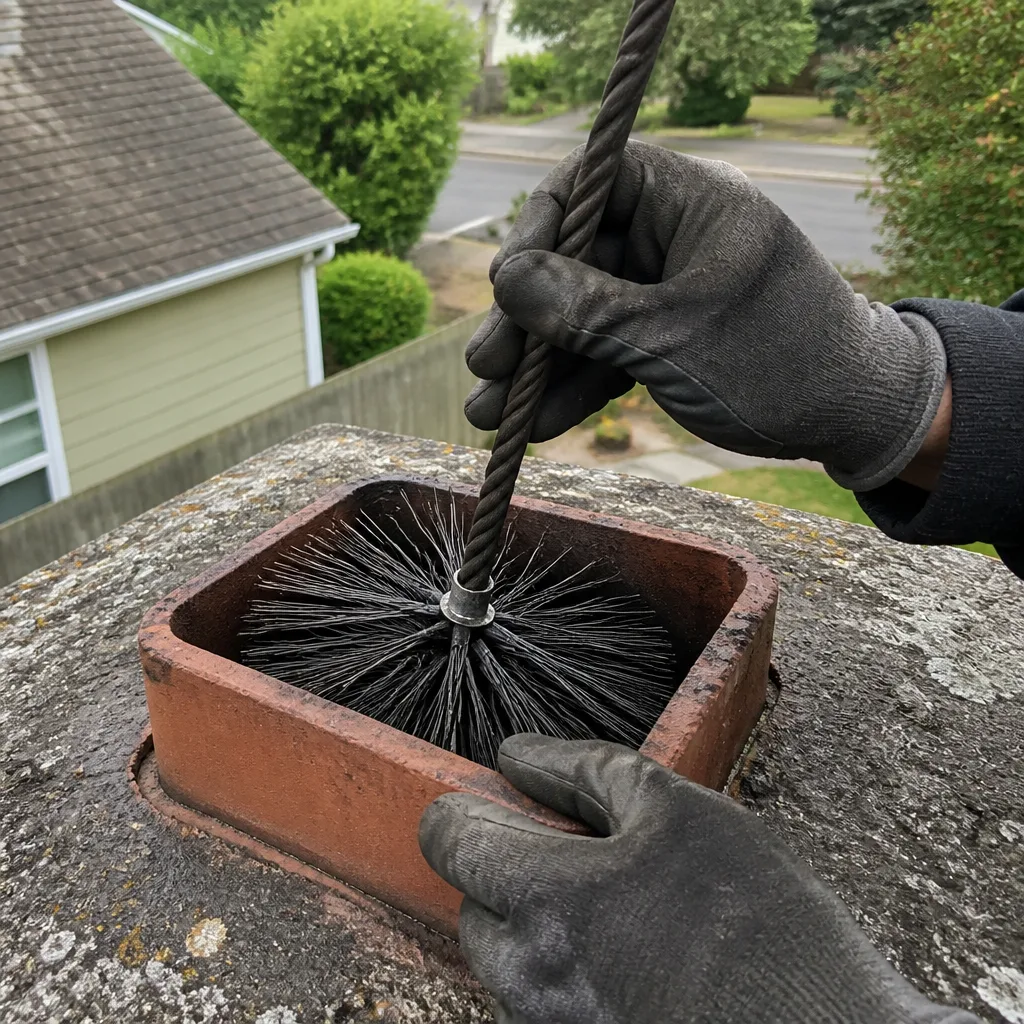
Not every chimney inspection satisfies your homeowner’s insurance policy. Understanding the difference protects you after a fire or liability claim.
Level 1 Inspection is a visual examination of readily accessible portions of the chimney exterior, interior, and appliance connection. The technician uses a flashlight, maybe a mirror, and examines from the top and bottom. No tools are used to open or remove components. This is appropriate when no changes have been made to the system and you’re continuing with the same appliance under the same conditions.
Level 2 Inspection adds a camera scan of the interior flue surfaces, examination of accessible attics and crawl spaces, and inspection of clearances from combustibles. It’s required when property is changing hands, after a chimney fire or operational malfunction, or when you’re modifying the appliance or fuel type. Critically, it’s the standard that most insurance underwriters now expect for documentation of “proper maintenance” after a loss.
Here’s the Olympia-specific context: many homes in the South Capitol and Westside neighborhoods have undergone fireplace inserts or gas log conversions in the past decade. Those modifications trigger Level 2 requirement under NFPA 211. Yet we’ve encountered numerous cases where the previous owner provided only a Level 1 “cleaning receipt” - essentially a brush-and-vacuum with a flashlight glance - and the current homeowner assumed their documentation was complete. Our DIY vs Professional Chimney Cleaning: The Olympia Homeowner’s Decision Guide explains why professional documentation matters.
After a chimney fire in Thurston County in 2021, one insurer denied a $47,000 claim because the homeowner’s “annual cleaning” documentation consisted of a handwritten receipt with no inspection standard cited, no photo record, and no written scope. The policy language required “documented professional maintenance per NFPA 211.” Level 1 alone didn’t qualify.
At Level Two Chimney Olympia home, every visit includes NFPA 211 Level 2 camera inspection as standard - not an upgrade, not an add-on. Clause 4 of the Haven Standard requires a photo record on every job. We’ve operated this way since 2009, before insurers began requesting it.
The documentation you receive should include:
- Written scope of work performed, with pre- and post-cleaning condition notes
- Dated, labeled photographs of the flue interior at multiple elevations
- Camera footage or still captures showing liner condition, joint alignment, and any defects measured
- Written warranty for the work performed
- Technician name and license information
If your sweep can’t produce these five items, you don’t have documented maintenance. You have a receipt.
Why Western Washington Softwoods Produce Stage 2 Creosote Faster
National averages for creosote accumulation assume a mixed hardwood diet and drier storage conditions. Olympia homeowners burn differently.
Stage 1 creosote is sooty, dusty, and brushes away easily. It’s what you get with very dry hardwood, hot fires, and good draft.
Stage 2 creosote is crunchy, porous, and flakes in sheets. It requires more aggressive mechanical removal - chains, whips, or rotary systems - and it’s the stage where most Olympia chimneys test after a season of fir or alder burning.
Stage 3 creosote is glossy, tar-like, and essentially glazed onto the flue surface. It’s highly combustible and difficult to remove without chemical treatment or replacement of the liner in severe cases.
The progression from Stage 1 to Stage 2 in Olympia accelerates for three local reasons:
- Wood species: Douglas fir and western red cedar contain higher resin content than Eastern hardwoods. Resin volatilizes at lower temperatures and condenses on cooler flue surfaces as liquid creosote, which then hardens to Stage 2.
- Moisture content: Even “seasoned” local cordwood often carries 20-25% moisture because of our humid curing environment. That moisture lowers combustion temperature and extends the condensation zone in the flue.
- Burning behavior: Olympia’s mild shoulder seasons encourage smoldering fires - damped down for overnight heat - rather than hot, complete burns. Smoldering produces the coolest flue temperatures and heaviest creosote deposition.
In the Indian Creek and Kaiser Road areas, where larger lots allow homeowners to harvest their own wood, we’ve seen Stage 2 accumulation in a single season from unseasoned alder. The chimney was swept 14 months prior. The homeowner burned what was “dry enough” by touch. Camera inspection revealed 3/8-inch deposit thickness in the smoke chamber - enough to sustain a chimney fire if ignited.
Proper cleaning removes this deposit mechanically. But only camera inspection verifies that removal was complete. A brush that misses a ledge or shelf in the flue leaves a fuel source. The Haven Standard requires photo verification of clean surfaces, not assumption.
Materials matter for the job too. We source removal equipment and replacement components through Haven’s buying network - DuraFlex stainless liners, HeatShield cerfractory resurfacing, Famco and Copperfield termination hardware - specifically to keep customer prices honest and installation quality consistent.
How to Read a Written Chimney Cleaning Report
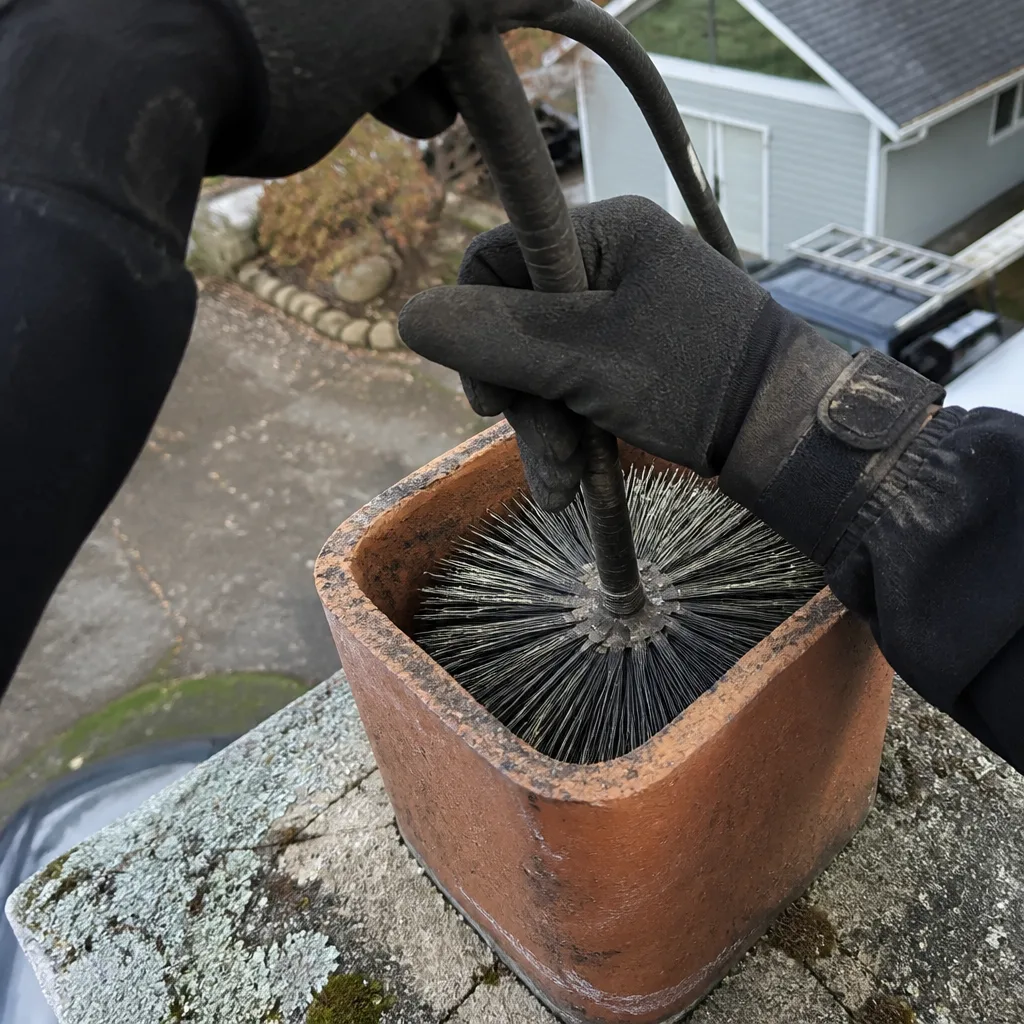
The report you receive after a chimney cleaning should function as a legal document and a maintenance record. Here’s what to look for, line by line.
Header information: Date, address, technician name, license number, and company contact. If any of these are missing, the report won’t satisfy insurance documentation requirements.
Appliance and chimney description: Manufacturer, model, fuel type, flue dimensions, liner material and condition rating. Vague language like “fireplace in good shape” is worthless. You want: “Clay tile liner, 8″ x 12″, approximately 18 feet from smoke chamber to termination. Three visible joint gaps measured: 2mm at 6 feet, 4mm at 11 feet, 1mm at 15 feet.”
Pre-cleaning condition: Creosote stage, thickness measurements, obstruction notes, moisture or damage observations. Photos should correspond to each notation.
Work performed: Specific methods and equipment. “Rotary sweep with 8″ polypropylene whip, HEPA vacuum extraction, smoke chamber hand-brush.” Not “cleaned chimney.”
Post-cleaning condition: Verification that surfaces are clean to NFPA 211 standard, with photos showing bare liner or masonry. Any remaining defects should be noted with repair recommendations.
Clearances and safety items: Combustible clearance measurements, cap and crown condition, spark arrestor presence.
Recommendations with written prices: Each suggested repair or follow-up should have a separate line item with dollar amount, not a bundled “package.” This lets you prioritize and compare.
Warranty clause: What is guaranteed, for how long, and what triggers it. The 365-Day Done Right Promise - if it’s not done right, we make it right - should appear in writing, not just in marketing.
Red flags in any report: no photos, no measurements, no technician name, no license, “call for pricing” on recommendations, or a single “approve all” price without itemization. These indicate a sweep operation that’s optimizing for speed, not documentation.
We’ve provided Free Second Opinion on Any Written Estimate for competitor quotes that arrived with no itemization at all - just a single number and a verbal “your chimney needs work.” Bring us that quote. We’ll read it against the photos we take and show you what was actually found.
When to Schedule: The August Baseline Strategy
Olympia’s fire season runs October through April, with peak demand for sweeps in September and October. The homeowners who get the most value from their cleaning budget schedule in August.
August scheduling accomplishes three things:
- Dry-weather inspection baseline: The chimney has been dormant through summer. Moisture intrusion from spring rains is visible but hasn’t been baked and sealed by fall fires. We can document efflorescence, spalling, and liner gaps in their natural state - not masked by soot.
- Repair lead time: If the August inspection reveals needed work - crown repair, cap replacement, liner patching with HeatShield - there’s time to complete it before the first cold snap. October scheduling that reveals needed repairs often means choosing between delaying the first fire or burning with a known defect.
- Documentation freshness: Insurance and real estate transactions often reference “most recent inspection.” An August 2024 inspection with full photo record satisfies 2024-2025 heating season requirements with no mid-season rush.
The neighborhoods around Priest Point Park and the East Bay area, with their concentration of 1920s-1950s homes, show the clearest benefit from August baselining. These chimneys often have unlined brick flues or early clay tile installations that degrade measurably between seasons. Catching spalling or mortar loss before October fires begin prevents the accelerated damage that occurs when hot gases penetrate degraded masonry.
We’ve maintained our documented archive since 2009. An Olympia homeowner with five years of August baselines can trace their chimney’s condition graphically - not from memory, not from conflicting verbal reports, but from dated photos and measurements.
Chimney Cleaning Costs in Olympia
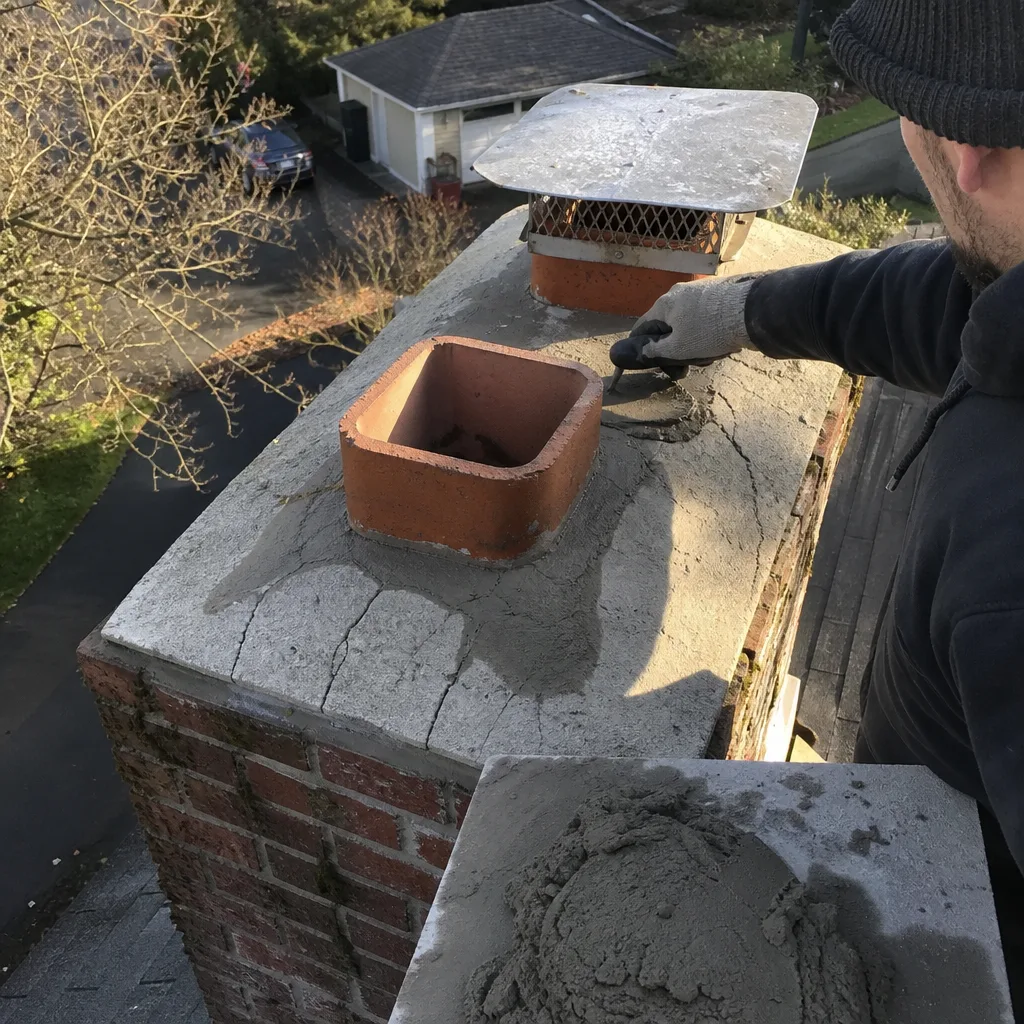
Price transparency is Clause 1 of the Haven Standard: Have it in writing. Here’s what chimney cleaning costs in Olympia’s market, with the line-item structure you should expect.
| Service | Price Range | What’s Included |
|---|---|---|
| Standard chimney sweep with Level 2 inspection | $189-$289 | Rotary mechanical cleaning, HEPA vacuum, NFPA 211 Level 2 camera scan, photo record, written report |
| Heavy creosote removal (Stage 2-3) | $289-$425 | Extended mechanical treatment, possible chemical application, repeat camera verification |
| Smoke chamber parge repair (minor) | $350-$650 | HeatShield cerfractory application, shaped and smoothed to improve draft and reduce creosote accumulation |
| Chimney cap replacement (standard) | $285-$495 | Stainless or copper cap, spark arrestor, proper sizing and installation |
| Crown repair (minor crack sealing) | $325-$575 | Crown sealant application, crack routing and filling, water-shedding verification |
These ranges reflect Olympia’s market specifically - labor costs, travel patterns across Thurston County, and material sourcing through our Haven network. Prices at the higher end typically involve older chimneys in neighborhoods like South Capitol or Westside, where access is tighter and original construction requires more careful handling.
What should never appear on your invoice: a “trip charge” added after arrival, a “diagnostic fee” separate from inspection, or equipment charges for the camera itself. The Level 2 inspection and photo record are standard, not optional.
Every job is quoted in writing before work begins - always, on every job, no exceptions. You’ll receive the written price, written scope, and written warranty before anyone starts. Not after the tech is in your home. Not after the brush is down the flue.
Call (360) 464-2015 for an exact quote - estimates are free.
What “Clean” Means by NFPA 211 Standard
The word “clean” gets used loosely in chimney marketing. The actual standard matters for safety and for what your sweep can certify.
NFPA 211 defines a clean flue as one where “combustible deposits have been removed to the extent that any remaining material does not exceed 1/8 inch in thickness, and the flue is free of obstructions.” That’s the certification threshold.
But achieving it requires more than running a brush. Here’s how the standard breaks down in practice:
- Mechanical removal: Brushes, whips, chains, or rotary systems appropriate to the flue material. Clay tile tolerates steel; stainless liners need polypropylene to avoid scoring.
- Complete surface contact: The tool must reach all flue surfaces, including offsets and transitions. Many Olympia chimneys have 30-degree offsets in the smoke chamber that straight brushes miss entirely.
- Debris extraction: Vacuum or mechanical collection of removed material. Deposits knocked loose but left in the smoke chamber or firebox are still hazards.
- Verification: Post-cleaning visual or camera confirmation that the 1/8-inch threshold is met. Without this, “clean” is an unverified claim.
The sweep who only uses brushes and certifies “clean” without camera verification is making a statement they cannot support. We’ve re-inspected chimneys “cleaned” by other services where 1/4-inch glazed deposits remained on the flue’s backside - invisible from below, unreachable with standard brushes, and exactly where chimney fires ignite.
In Olympia’s moisture environment, there’s an additional consideration: biological growth. We’ve found moss and algae colonization in chimneys with persistent water intrusion, particularly in shaded lots around Capitol Lake and the Woodland Creek watershed. NFPA 211 doesn’t address biological contaminants specifically, but a thorough cleaning report should note them and recommend moisture remediation.
Our technicians are background-checked, uniformed, and carry license information on every page of documentation. You’ll get a named tech assigned, and a text when they’re on the way - H.A.V.E.N. “Arrive on schedule” and “Verified crews.”
Chimney Cleaning as a Documented Maintenance Chain
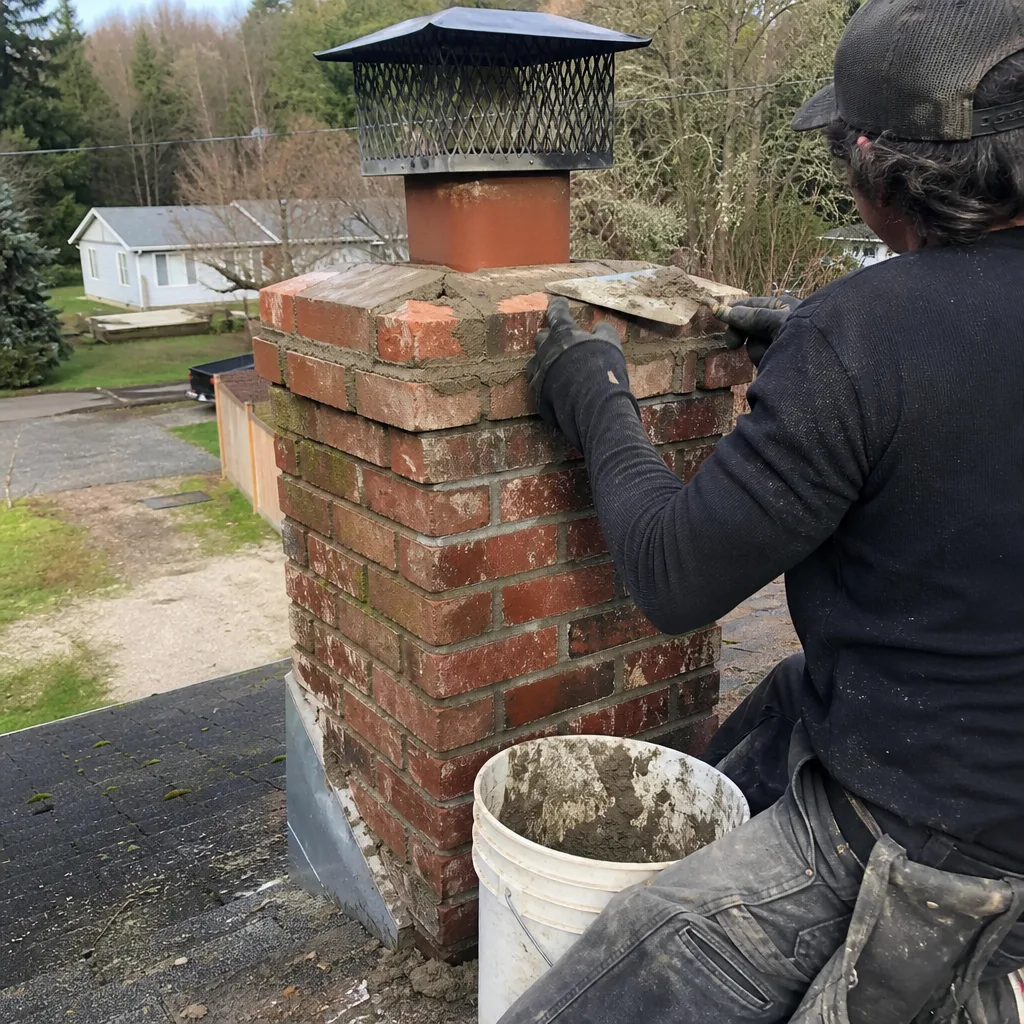
The most valuable insight we can offer Olympia homeowners: chimney cleaning isn’t a service call. It’s a link in a maintenance chain that protects your home’s value and your family’s safety.
Each visit should connect to the last and inform the next. The photo from August 2023 showing a 2mm crown crack connects to the April 2024 photo showing water staining below it, which justifies the 2024 crown repair that prevents the 2025 liner replacement. Without that chain, each visit is an isolated transaction. With it, you have predictive maintenance with documented justification.
This matters particularly for:
- Home sale preparation: Thurston County buyers increasingly request chimney inspection records. A five-year documented chain with Level 2 photos satisfies due diligence faster than any verbal assurance.
- Insurance renewal: Some carriers now request “evidence of regular professional maintenance” for homes with wood-burning appliances. A folder of dated reports with technician names and license numbers satisfies this immediately.
- Warranty claims: Manufacturer warranties on inserts, liners, and stoves often require “annual professional maintenance.” The receipt from a brush-only sweep rarely suffices; the Level 2 report with photo record does.
We’ve archived every inspection since 2009 - more than 38,000 chimneys, every one with a written price before work started and a documented record when it was done. For returning Olympia customers, we can pull their chimney’s complete history in minutes, compare current findings to prior baselines, and show exactly what’s changed. That’s not a convenience. It’s the difference between informed decision-making and guesswork.
The Haven Standard’s 365-Day Done Right Promise applies to every link in this chain. If we document something incorrectly, miss a defect, or perform work that doesn’t meet the standard we specified, we make it right. The promise is stamped on every job, not offered as a separate “protection plan.”
Common Mistakes to Avoid
- Scheduling only after problems appear. By the time you smell smoke in the room or see water stains, damage has progressed past preventive stage. In Olympia’s wet climate, the August baseline catches intrusion before it’s visible inside.
- Accepting a “cleaning” without inspection standard cited. The receipt should specify NFPA 211 Level 1 or 2. Unspecified means unverifiable - and likely inadequate for insurance.
- Burning unseasoned wood because it’s “local” or “free.” Fir and alder harvested from your Olympia lot need 12-18 months of covered drying to reach 20% moisture. Burning at 30% moisture doubles creosote deposition rate.
- Assuming gas fireplaces need no maintenance. Gas produces different deposits - sulfuric acid condensation, spider webs in venturi - but still requires annual inspection. The venting system, not just the appliance, needs verification.
- Ignoring the smoke chamber. This area above the firebox and below the flue is where most chimney fires start. It’s also the hardest to reach and most often skipped by brush-only services. Camera inspection is the only reliable verification.
- Choosing by lowest price without comparing deliverables. A $129 “sweep special” that includes no camera, no written report, and no warranty is not comparable to a documented Level 2 service. You’re buying documentation, not just brush strokes.
When to Call a Professional
Call a certified chimney professional if you notice any of the following: visible creosote flakes in the firebox, smoke entering the room during operation, a strong tar odor when the fireplace is not in use, water stains on the ceiling near the chimney, or it’s been more than 12 months since your last documented Level 2 inspection. In Olympia’s climate, these signs rarely resolve themselves and typically indicate progressive moisture or deposit problems.
For new homeowners in Olympia who received no chimney documentation from the seller, schedule a baseline Level 2 inspection before the first fire - regardless of what the home inspection report stated. Home inspectors are generalists; NFPA 211 chimney inspection is a specialized trade with specific equipment requirements.
Level Two Chimney Olympia offers free estimates in Olympia - call (360) 464-2015. We’ll provide a written price before any work starts, and a Free Second Opinion on any competitor’s written estimate you bring us.
Frequently Asked Questions
A standard chimney sweep with NFPA 211 Level 2 camera inspection in Olympia costs $189-$289, with heavy creosote removal running $289-$425. Every job receives a written price before work begins - no “call for quote” required. Call (360) 464-2015 for an exact quote - estimates are free.
Annually for active wood-burning systems, per NFPA 211. In Olympia’s climate with softwood burning, some heavy-use households benefit from inspection at 6-month intervals during peak season. Gas systems should be inspected annually for venting integrity, though cleaning frequency is typically lower. Call (360) 464-2015 to discuss your burning pattern.
A liner is needed when inspection reveals gaps, cracks, or deterioration that compromise containment of combustion gases - not because a sweep says so without showing you. At Level Two Chimney Olympia, no liner replacement is recommended without camera evidence you can see yourself, and we’ll plainly tell you when work can safely wait. Bring us any competitor’s written recommendation for a Free Second Opinion.
Skipped cleaning allows creosote accumulation to progress from Stage 1 (removable) to Stage 2 or 3 (hazardous). Stage 3 glazed creosote ignites at lower temperatures and burns intensely enough to crack liners and penetrate masonry. In Olympia’s wet climate, skipped maintenance also means undetected moisture damage that accelerates between seasons, potentially requiring full rebuild rather than repair. The documented inspection is what catches this progression before it becomes dangerous.
A sweep removes combustible deposits. An inspection evaluates system condition. They often occur together but serve different purposes. NFPA 211 Level 2 combines both: mechanical cleaning plus camera-documented evaluation of liner, structure, and clearances. A sweep without inspection certifies cleanliness but not safety; an inspection without cleaning may be required for real estate transactions where the system is dormant.
Gas fireplaces don’t produce creosote, but their venting systems require annual inspection for corrosion, obstruction, and proper draft. In Olympia’s marine climate, we’ve found salt air corrosion on exterior terminations and spider web obstruction in venturi tubes that would impair safe operation. A Level 2 inspection for gas systems focuses on venting integrity and appliance connection, with cleaning of accessible components as needed.
The Bottom Line
Chimney cleaning in Olympia is not a commodity service. The Puget Sound climate - 51 inches of rain, softwood fuel dominance, extended heating seasons - creates conditions that accelerate creosote accumulation and moisture damage in ways national averages don’t capture. A proper cleaning includes mechanical removal to NFPA 211 standard, but the value is in the documentation: dated photos, measured defects, written scope, and written warranty that create a maintenance record for insurance, resale, and your own decision-making.
Schedule before October to establish your baseline. Demand Level 2 camera inspection as standard, not an upgrade. Read your report for measurements, not adjectives. And keep each year’s documentation - the chain it forms is worth more than any single visit.
Call (360) 464-2015 for a free estimate. Written price before work starts. Documented photo record on completion. The 365-Day Done Right Promise on every job.
Written by Corrine Halstead, Owner at Level Two Chimney Olympia, serving Olympia since 2009.